
New Car Window Tinting: When Should You Do It?
When you drive a new car off the lot, the last thing on your mind might be tinting the windows. However, automotive window tinting can offer numerous benefits, from increased privacy to UV protection. It's not just about aesthetics; it's about enhancing your driving experience and protecting your investment. But when is the best time to get your new car windows tinted? In this article, we'll explore the various factors to consider when deciding on the timing for new car window tinting and the advantages it brings.
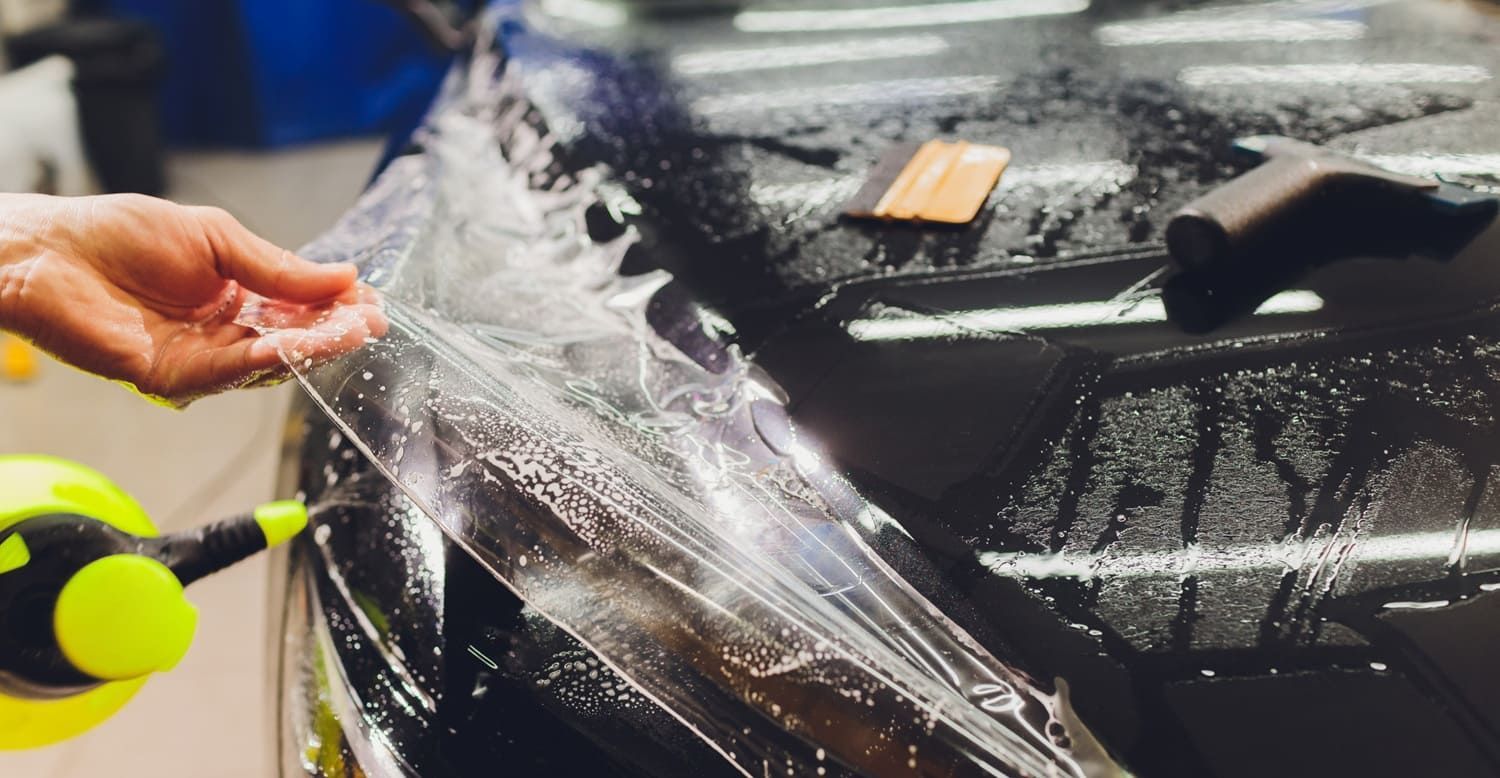
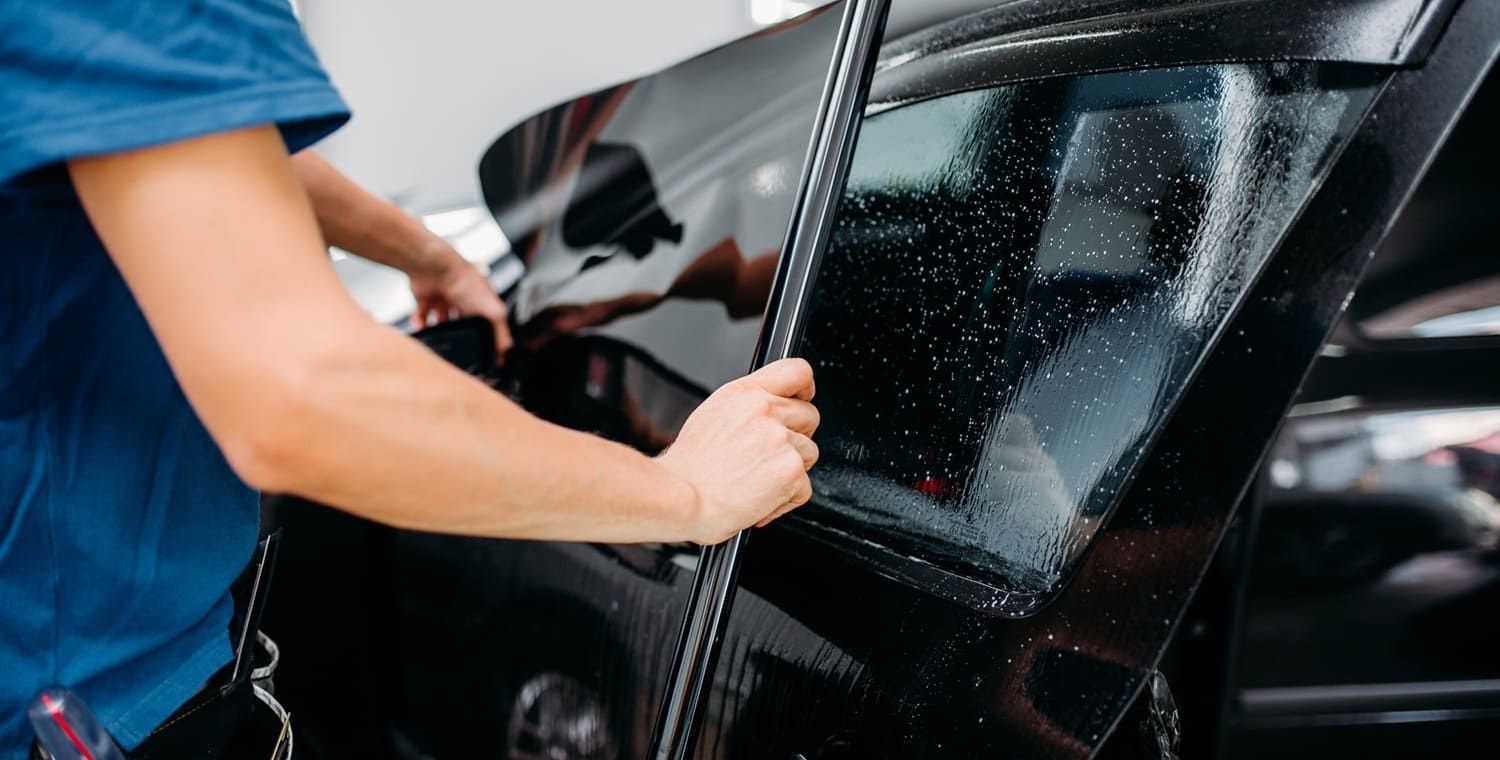
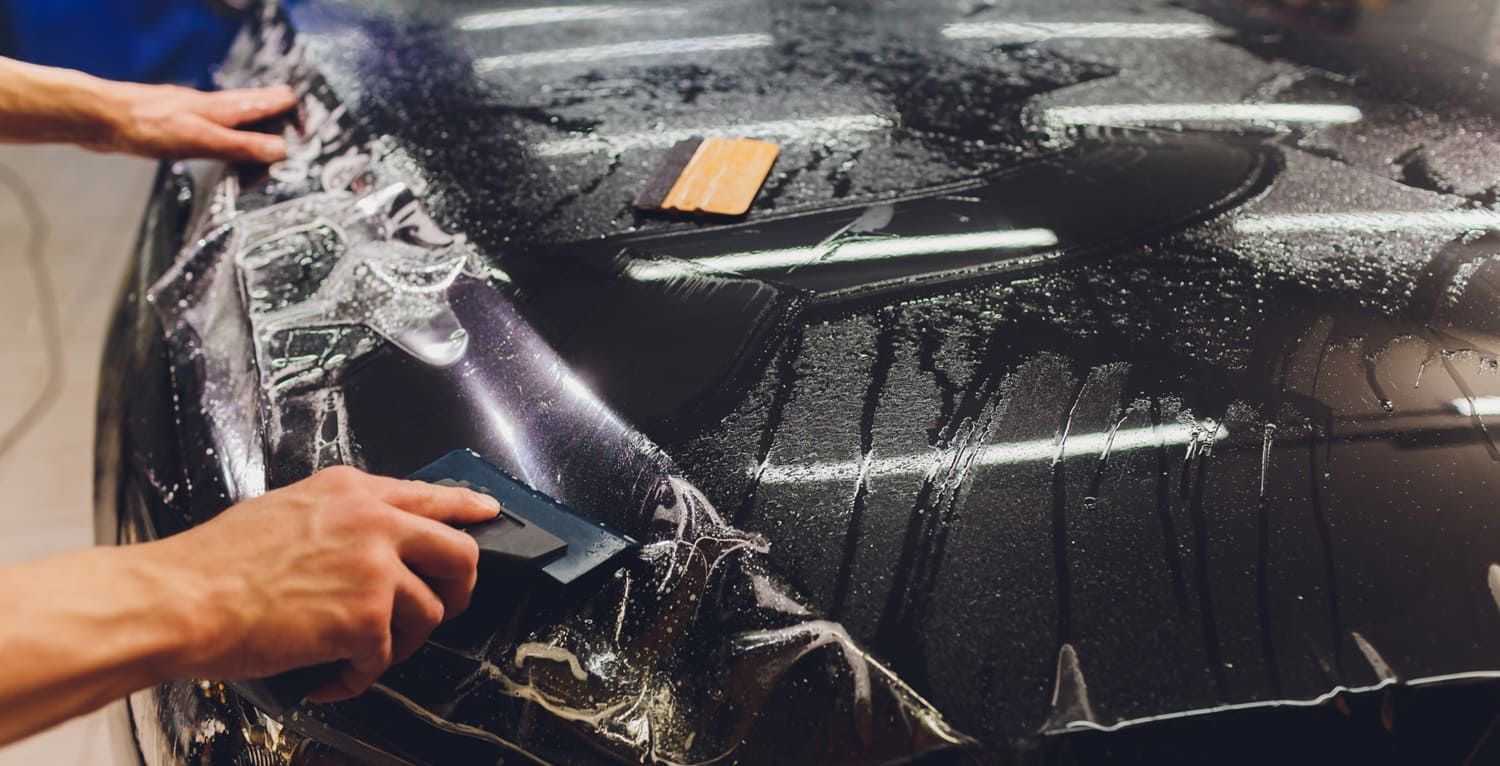
Car window tinting involves applying a thin film to the interior side of a vehicle's windows. This film is designed to reduce the amount of light and heat that enters the car, providing several benefits to the driver and passengers. The tinting process can vary based on the type of film used and the specific needs of the car owner. Various types of window tints are available, each with different features and levels of shading. From basic dyed tints to high-performance ceramic options, the choices allow for customization based on budget and preference.
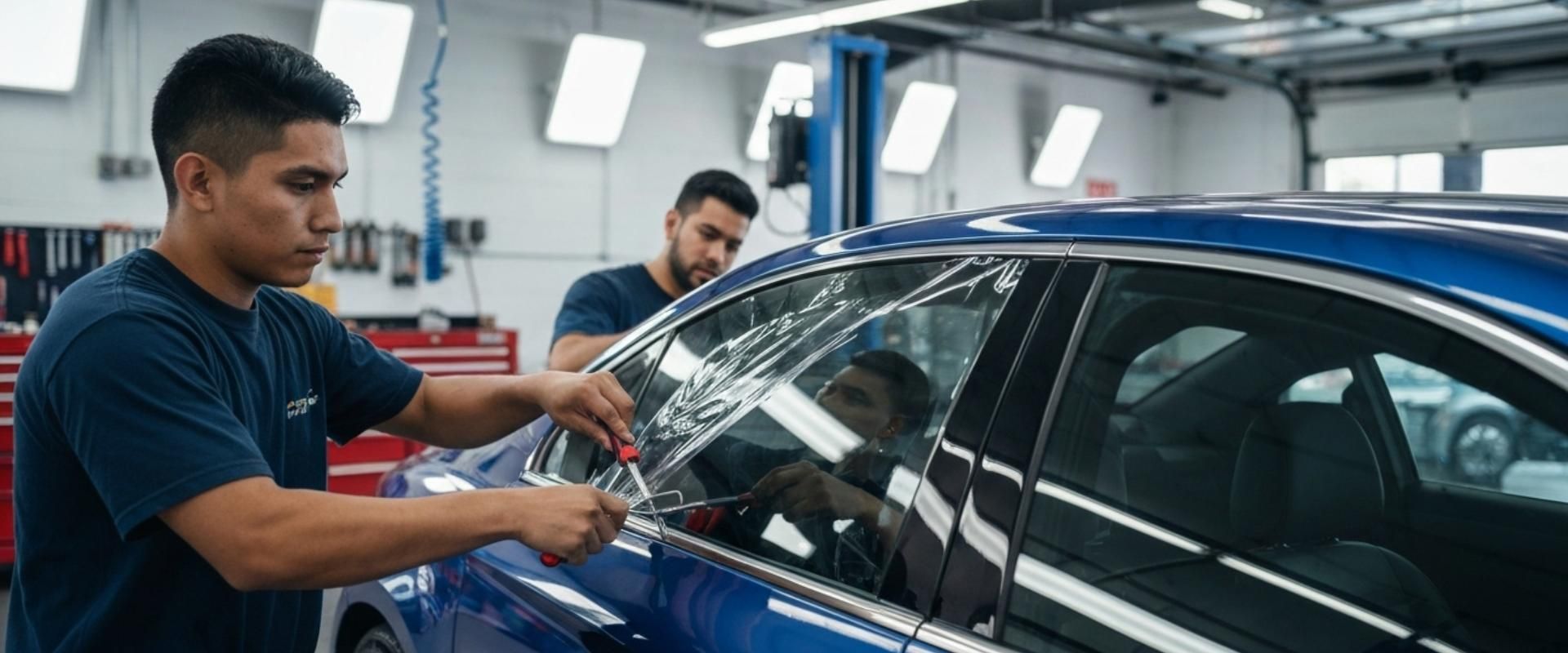
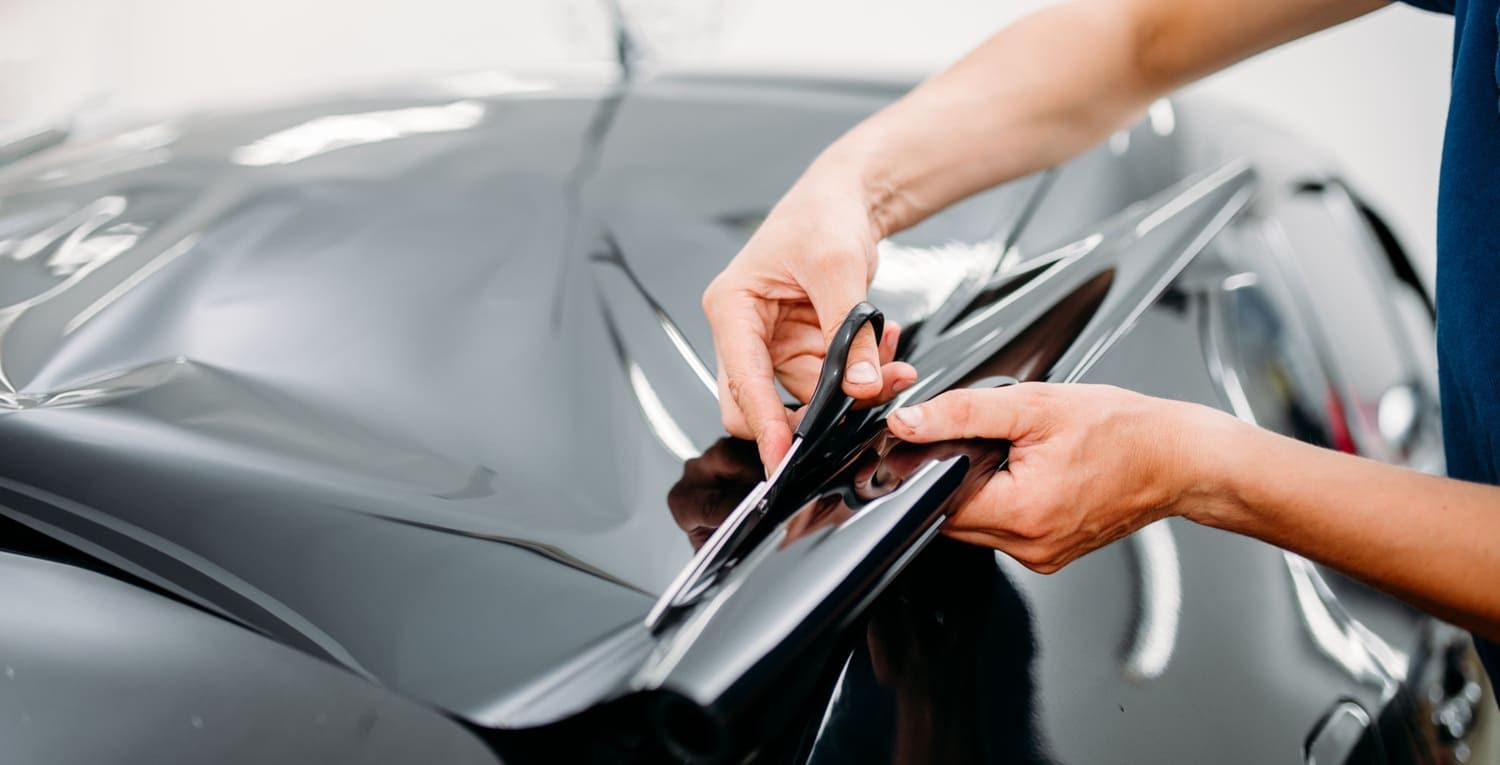
Moreover, the installation process itself is crucial. It requires precision and expertise to ensure that the film adheres smoothly without bubbles or creases. A professional installation not only ensures a neat appearance but also optimizes the tint's performance. Understanding the technical aspects of window tinting can help car owners make informed decisions about the type of tint and the installation service they choose.
Benefits of New Car Window Tinting
Window tinting offers several advantages that go beyond just aesthetics. Here are some reasons why you might consider tinting your new car windows:
UV Protection and Heat Reduction
One of the most significant benefits of window tinting is its ability to block harmful UV rays. Prolonged exposure to UV rays can cause skin damage and fade the interior of your car. A good quality tint can block up to 99% of these rays, providing a safer and more comfortable driving experience. This protection is particularly important for those who spend a lot of time on the road or live in sunny climates.
Moreover, window tinting reduces heat inside the car, making it cooler during hot weather. This not only enhances comfort but also decreases the need to use air conditioning, which can improve fuel efficiency. By reducing the strain on your car's air conditioning system, you not only save on fuel costs but also extend the life of the system itself. Furthermore, a cooler interior can prevent heat-related damage to the dashboard and seats, preserving your car's interior for longer.
Increased Privacy
Tinted windows add an extra layer of privacy by making it harder for people outside to see inside your vehicle. This is especially useful if you often leave valuable items in your car. With window tinting, you can drive with peace of mind, knowing that your belongings are less visible to potential thieves. Privacy is not only a matter of security but also of personal comfort, allowing you to feel more at ease while driving or parked.
Furthermore, privacy can enhance your overall driving experience. Whether you're stuck in traffic or parked in a busy area, tinted windows can provide a sense of seclusion from the outside world. This is particularly beneficial for individuals who value their personal space and wish to avoid unnecessary attention.
Glare Reduction
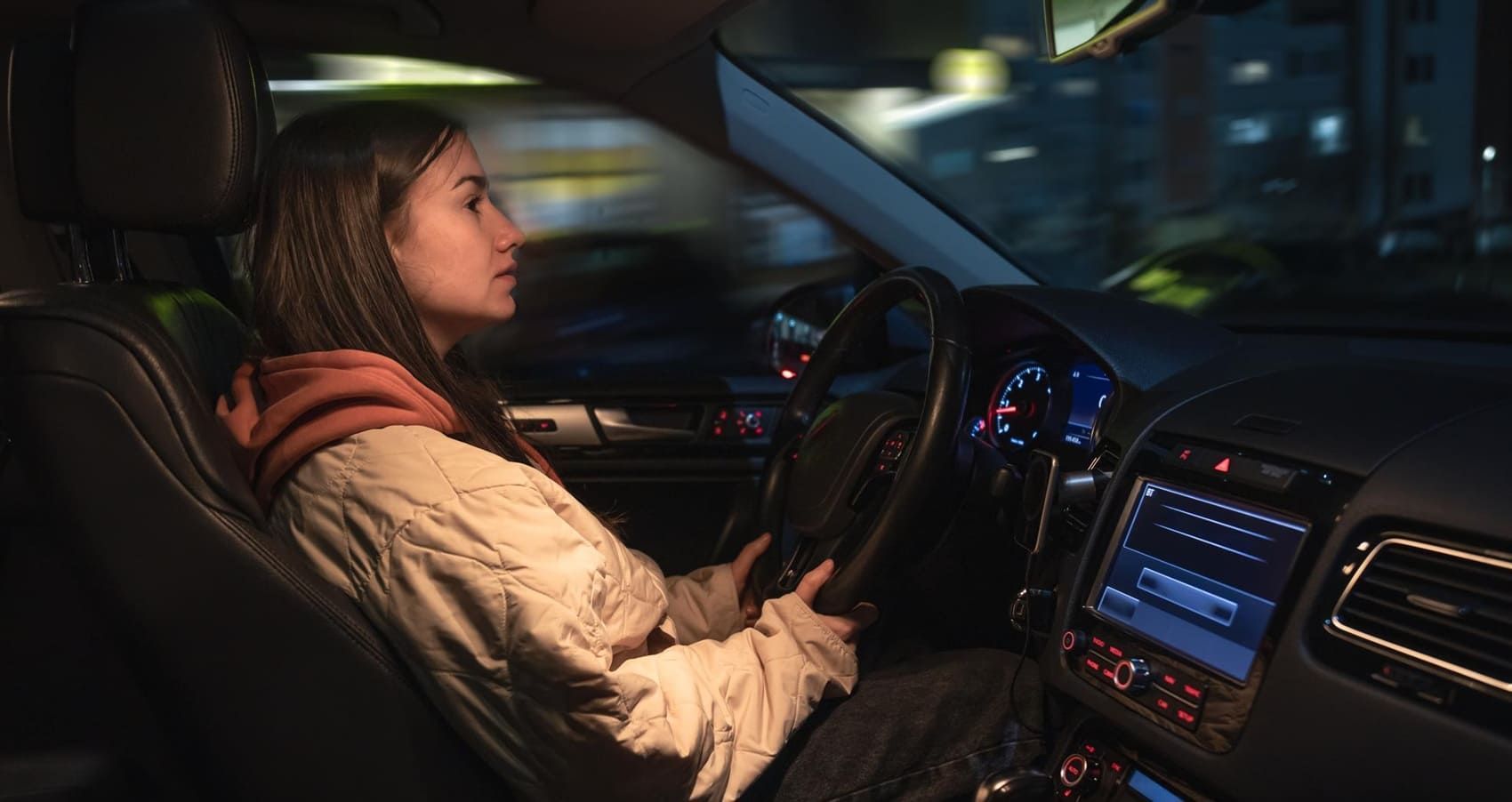
Glare from the sun or headlights can be distracting and dangerous while driving. Window tinting reduces glare, helping you see better and drive more safely. This is particularly beneficial during sunrise and sunset or when driving in bright, sunny conditions. By minimizing glare, tinted windows can significantly enhance visibility and reduce eye strain, making for a more comfortable and secure driving experience.
In addition to improving safety, glare reduction can also make long drives more enjoyable. Whether you're on a road trip or commuting to work, reducing the harshness of sunlight can create a more pleasant environment inside your vehicle. This can be particularly advantageous for drivers who are sensitive to light or have vision-related concerns.
When Should You Tint Your New Car Windows?
Timing your window tinting can depend on several factors. Here are some things to consider:
Immediately After Purchase
Some car owners choose to tint their windows immediately after purchasing a new car. This ensures they start enjoying the benefits of tinting right away. It can also protect the car's interior from UV damage from the very beginning. For those who live in areas with intense sunlight, immediate tinting can prevent initial damage and maintain the car's interior aesthetics from day one.
Additionally, tinting your car windows right after purchase can be a strategic move if you're planning to customize your vehicle. It can be coordinated with other modifications, like new rims or a sound system, to achieve a cohesive and personalized look. Starting with a tinted vehicle can set the tone for your car's overall style and functionality.
After a Few Weeks or Months
Others prefer to wait a few weeks or months before tinting their windows. This period allows them to adjust to the new car and decide if they truly want the tinting. Additionally, waiting gives time for any potential factory defects in the windows to become apparent, which can be addressed before tinting. Taking this time can also help you research and select the best tinting options available, ensuring you choose a product that meets your specific needs and preferences.
Waiting also allows you to observe how your car performs in different weather conditions. This can provide insight into the level of heat and glare reduction you require, helping you make a more informed decision about the type of tint to install. By understanding your driving habits and environment, you can tailor your tinting choice to enhance your car's performance and comfort.
Seasonal Considerations
The time of year can also affect your decision. Tinting your windows during the warmer months can immediately reduce heat inside the car, providing instant relief. However, some people prefer to tint during cooler months when there may be less demand at local tinting shops, potentially leading to better service availability. Seasonal timing can also influence the drying and curing process of the tint film, with some seasons offering more favorable conditions.
Moreover, scheduling your tinting during the off-peak seasons might give you access to promotional offers or discounts. Tint shops often run specials during slower periods to attract customers, which can be a cost-effective way to get high-quality tinting for your vehicle. Evaluating these factors can help you decide when the best time is to tint your car windows, balancing your immediate needs with practical considerations.
Choosing the Right Type of Tint
Not all window tints are created equal. Here are some common types of automotive window tint films:
Dyed Window Tint
Dyed window tint is the most affordable option and provides a dark appearance. It is great for privacy and reducing glare but offers limited heat reduction and UV protection. This type of tint is ideal for budget-conscious car owners who prioritize aesthetics and basic privacy over performance.
While dyed tints are cost-effective, they may not be as durable as other options. Over time, they can fade and change color, affecting the overall look of your vehicle. However, for those who frequently change vehicles or are looking for a temporary solution, dyed tints can be a practical choice.
Metalized Window Tint
This type of tint contains metal particles that reflect heat and UV rays. Metalized tints are durable and provide excellent protection but may interfere with electronic devices like GPS and cell phones. The metallic layer adds strength and shatter-resistance to the windows, making them a popular choice for those seeking durability.
However, the potential interference with electronic signals is a consideration for many modern drivers. If you rely heavily on devices that require clear signals, it may be worth exploring other options that do not contain metal, such as carbon or ceramic tints.
Carbon Window Tint
Carbon tints do not contain metal, so they won't interfere with electronics. They offer good UV and heat protection and have a matte finish, which many car owners find appealing. The carbon particles in the film provide significant thermal insulation, making it an effective choice for those who prioritize heat reduction and a sleek appearance.
In addition to its functional benefits, carbon tinting is known for its longevity. It does not fade as quickly as dyed tints, maintaining its color and performance over time. This makes it an excellent option for car owners looking for a long-term solution that combines style with practicality.
Ceramic Window Tint
Ceramic tints are the top-of-the-line option, offering superior heat and UV protection without interference with electronics. They are more expensive but provide the best performance and longevity. Made with non-conductive ceramic particles, these tints excel in blocking infrared light, significantly reducing heat.
While the initial investment is higher, ceramic tints offer long-term savings through reduced energy costs and minimal maintenance. They are highly durable and resistant to fading, making them ideal for those who want the best in terms of performance and appearance. For car owners who value cutting-edge technology and premium quality, ceramic tints are the ultimate choice.
How to Find "Car Window Tinting Near Me"
If you're ready to tint your new car windows, you might be wondering where to go. Searching for "car window tinting near me" online will provide a list of local tinting shops. Here are some tips for choosing the right one:
- Read Reviews: Look for shops with positive customer reviews and testimonials. Customer experiences can provide valuable insight into the quality of service and the professionalism of the staff.
- Check Certifications: Ensure the shop uses certified installers and high-quality materials like XPEL auto window tinting. Certified professionals are more likely to follow industry standards, ensuring a superior installation.
- Compare Prices: Get quotes from multiple shops to find a competitive price that fits your budget. While price is important, it's crucial to consider the quality of the tint and the expertise of the installers.
- Ask About Warranty: A reputable shop should offer a warranty on their work and the tint film. A good warranty provides peace of mind, covering potential issues that may arise post-installation.
In addition to these tips, visiting the shop in person can be beneficial. It allows you to see their work firsthand and discuss your specific needs with the technicians. By investing time in finding the right service, you can ensure a seamless tinting experience that meets your expectations.
Conclusion
New car window tinting is more than just a style choice. It is an investment in comfort, safety, and the longevity of your vehicle. At Top Line Tint and Audio in Cape Coral, FL, a Trusted XPEL Dealer and premier car window tinting installer near you, we provide top-quality window film solutions designed to enhance your driving experience and protect your investment.
Whether you choose to tint your windows immediately or wait until after purchase, the benefits remain clear. With XPEL auto window tinting, you can enjoy superior UV protection, reduced glare, increased privacy, and improved temperature control. Our expert installers ensure a precise, long-lasting finish that enhances your vehicle’s appearance and performance.
When searching for car window tinting near you, take time to research and select a shop that meets your quality expectations. By choosing Top Line Tint and Audio, you are partnering with a team that prioritizes precision, premium materials, and customer satisfaction.
Contact Top Line Tint and Audio in Cape Coral, FL today for your free estimate and discover why drivers throughout the area trust our XPEL-certified team for professional car window tinting that delivers both style and protection for years to come.
Frequently Asked Questions About Tinting a New Car
When should I tint my new car windows?
It’s best to tint your car as soon as possible after purchase to protect the interior and glass.
Do I need to wait before tinting a new car?
No. Once the car is delivered, tinting can be done immediately since factory paint and glass are already cured.
Why is early tinting important for new cars?
It prevents UV damage, heat buildup, and fading of interior materials.
Does tinting affect new car warranties?
No. Professional tinting with approved films does not void warranties.
Which tint type is best for new cars?
Ceramic tint offers superior heat rejection, UV protection, and long-term durability.
Can I tint my new car’s windshield?
Yes, but only with a legal, light film or top sun strip depending on state laws.
Is tinting a new car more expensive?
Usually not. Prices depend on film type and vehicle size, not age.
How long should I wait before rolling down tinted windows?
Wait 3 to 5 days to let the film fully cure and bond to the glass.