
What Tint Percentage Is Best for Night Driving? A Southwest Florida Driver's Guide
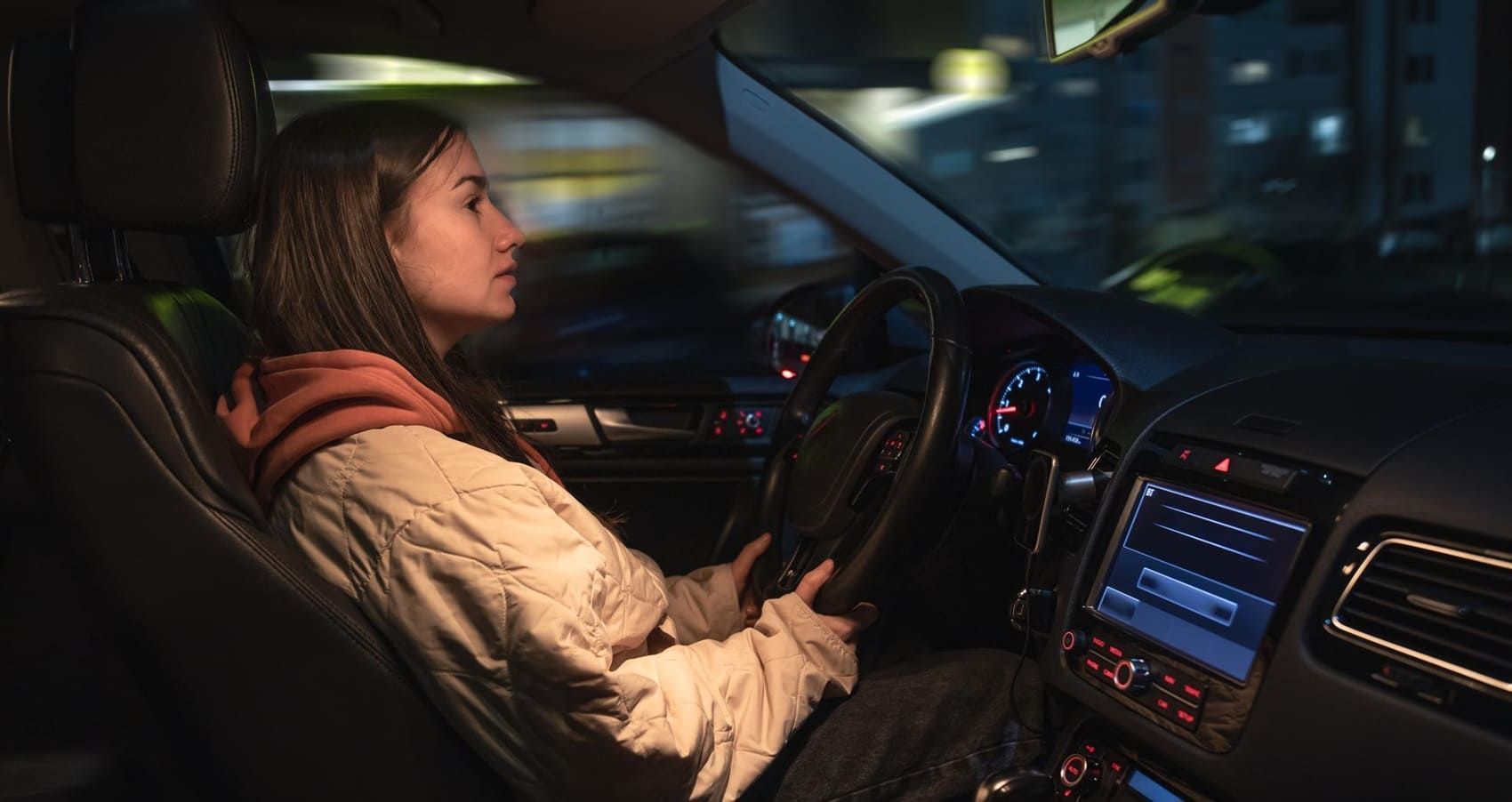
Tinted windows feel great at 2 p.m. on a July afternoon in Cape Coral. At 9 p.m. on a dark, rainy stretch of road, they can feel very different. If you're thinking about tinting your car, or you already have tint and struggle to see after sunset, the percentage you choose makes a real difference in how safely you can see at night.
Here is the short answer: for most Florida drivers, the best tint for night driving is 35% or lighter on the front side windows and 15% to 20% on the rear windows of a sedan, using a high-clarity ceramic film. Lighter front windows keep your side mirrors, blind spots, and intersections visible after dark, while a darker rear helps cut headlight glare from behind. Florida law requires front side windows to let in at least 28% of light, so going darker than that isn't legal and isn't safer.
Top Line Tint and Audio has been tinting vehicles in Cape Coral since 2010 and serves drivers across Fort Myers, North Fort Myers, Lehigh Acres, Estero, Bonita Springs, Naples, and Punta Gorda. Below, we'll explain how tint affects night vision, compare common percentages, and help you pick a setup that keeps you cool by day and confident at night.
Quick Answer: Best Tint Percentages for Night Driving in Florida
Here's a simple starting point for night-friendly tint on a typical sedan:
- Windshield: No tint below the AS-1 line. Florida allows only non-reflective tint above that line.
- Front side windows: 35% to 50% for the best night visibility (28% is the legal limit).
- Rear side windows: 15% to 20% for privacy and heat control.
- Rear window: 15% to 20% to reduce headlight glare from cars behind you.
- Film type: Nano-ceramic, such as XPEL PRIME XR PLUS, for maximum clarity with low haze.
SUVs, trucks, and vans can legally go as dark as 6% on the rear side and rear windows, but drivers who back up often in dark driveways or parking lots may prefer 15% to 20% for better rear visibility.
How Window Tint Affects Night Visibility
What Tint Percentage (VLT) Means
Tint percentage refers to visible light transmission, or VLT. It's the amount of visible light that passes through the window. A 50% tint lets in about half the light, while a 5% "limo" tint lets in only a small fraction. The lower the number, the darker the window.
During the day, there's so much sunlight that even dark tint leaves plenty to see by. At night, the only light you have comes from headlights, streetlights, and other cars. Every bit of light your windows block matters much more.
Why Front Side Windows Matter Most at Night
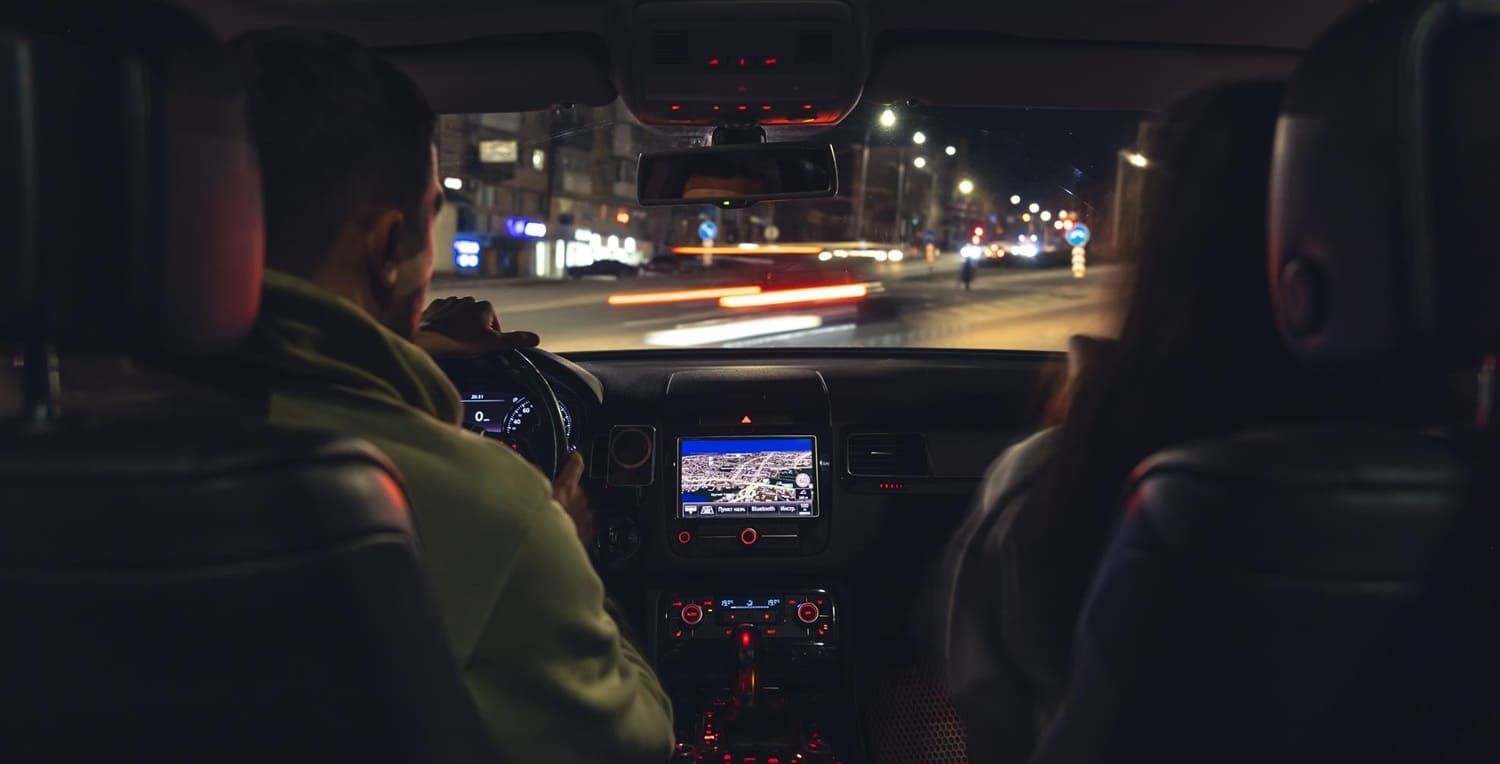
When you drive at night, you constantly look through your front side windows. You check your side mirrors before changing lanes, scan for pedestrians and cyclists at crosswalks, and look left and right at dark intersections. Dark front windows make all of those tasks harder. That's why most night-driving advice focuses on keeping the front sides lighter, even if the rear is darker.
Factory Glass Plus Film Equals Your Real VLT
Most car glass isn't perfectly clear. Florida measures VLT through the film and glass combined, so the number on the film box isn't always the number a police officer's meter will read. A professional installer accounts for your factory glass when recommending a film, so your windows stay legal and as clear as possible at night.
Tint Percentage Comparison for Night Driving
| Tint Percentage | Look | Night Visibility | Florida Front Sides (Sedan) | Florida Rear (Sedan) | Best For |
|---|---|---|---|---|---|
| 70% | Nearly clear | Excellent | Legal | Legal | Max night clarity with heat rejection |
| 50% | Light | Very good | Legal | Legal | Drivers who prioritize night vision |
| 35% | Medium | Good | Legal | Legal | Best balance of style, heat, and night safety |
| 28–30% | Medium-dark | Fair | At the legal limit | Legal | Drivers wanting the darkest legal front |
| 20% | Dark | Reduced | Not legal | Legal | Rear privacy and glare control |
| 15% | Darker | Reduced | Not legal | Legal (minimum) | Rear privacy on sedans |
| 5% | Limo | Poor | Not legal | Not legal on sedans | Not recommended for night driving |
The takeaway: on the front sides, 35% is the sweet spot for most drivers. If you drive often at night, are an older driver, or have any vision concerns, 50% or lighter is a smart choice.
Why Night Driving in Southwest Florida Is Different
Night driving conditions in Lee and Charlotte counties add a few challenges that make tint choice even more important:
- Limited street lighting: Many residential neighborhoods and canal-side streets in Cape Coral have limited lighting, which makes darker tint harder to see through.
- Summer storms at dusk: Heavy afternoon and evening rain is common during the wet season, and wet roads plus dark tint reduce contrast.
- Highway headlight glare: Stretches of I-75 and major roads bring bright oncoming headlights, which a darker rear window can help soften.
- Wildlife and pedestrians: Bikes, joggers, and animals near roadways are harder to spot through dark front windows.
- Seasonal visitors: Unfamiliar drivers on local roads in winter make good side visibility even more valuable.
Picking the right percentage means you get the heat and UV protection Florida demands without giving up the visibility you need after sunset.
Does Tint Type Matter as Much as Percentage?
Yes. Two films with the same percentage can look very different at night. Cheaper films can create more haze or distortion, which shows up as blurriness or a "milky" look around headlights and streetlights. Higher-quality films are engineered for optical clarity.
| Film Type | Example | Night Clarity | Heat Rejection | Glare Reduction | Signal Interference | Warranty |
|---|---|---|---|---|---|---|
| Nano-ceramic | XPEL PRIME XR PLUS | Excellent, low haze | Up to 98% infrared | Excellent | None | Lifetime |
| Hybrid metallic | XPEL PRIME HP BLACK | Good | Moderate | Good | Possible, minimal | Lifetime |
| Dyed | XPEL PRIME CS BLACK | Good | Basic | Good | None | Lifetime |
Why Ceramic Tint Is the Best Choice for Night Driving
Nano-ceramic film is the best match for drivers who care about night visibility. Because XPEL PRIME XR PLUS rejects up to 98% of infrared heat through ceramic technology rather than darkness alone, you can choose a lighter shade and still keep your car cool in the Florida sun. That means you don't have to trade night safety for daytime comfort. It also blocks 99% of UV rays and won't interfere with GPS, phones, or keyless entry.
Best Night-Driving Tint Setups by Driver Type
| Driver Type | Front Sides | Rear Sides and Rear Window | Recommended Film |
|---|---|---|---|
| Frequent night commuter | 50% | 20% | Nano-ceramic |
| Everyday sedan driver | 35% | 15–20% | Nano-ceramic |
| Older driver or vision concerns | 50–70% | 35% | Nano-ceramic |
| SUV or truck with kids in the back | 35% | 15–20% | Nano-ceramic |
| Style-first driver who wants it dark | 30% (legal minimum range) | 15% sedan, 6–15% SUV | Ceramic or hybrid |
| Rideshare and delivery drivers | 35–50% | 20% | Nano-ceramic |
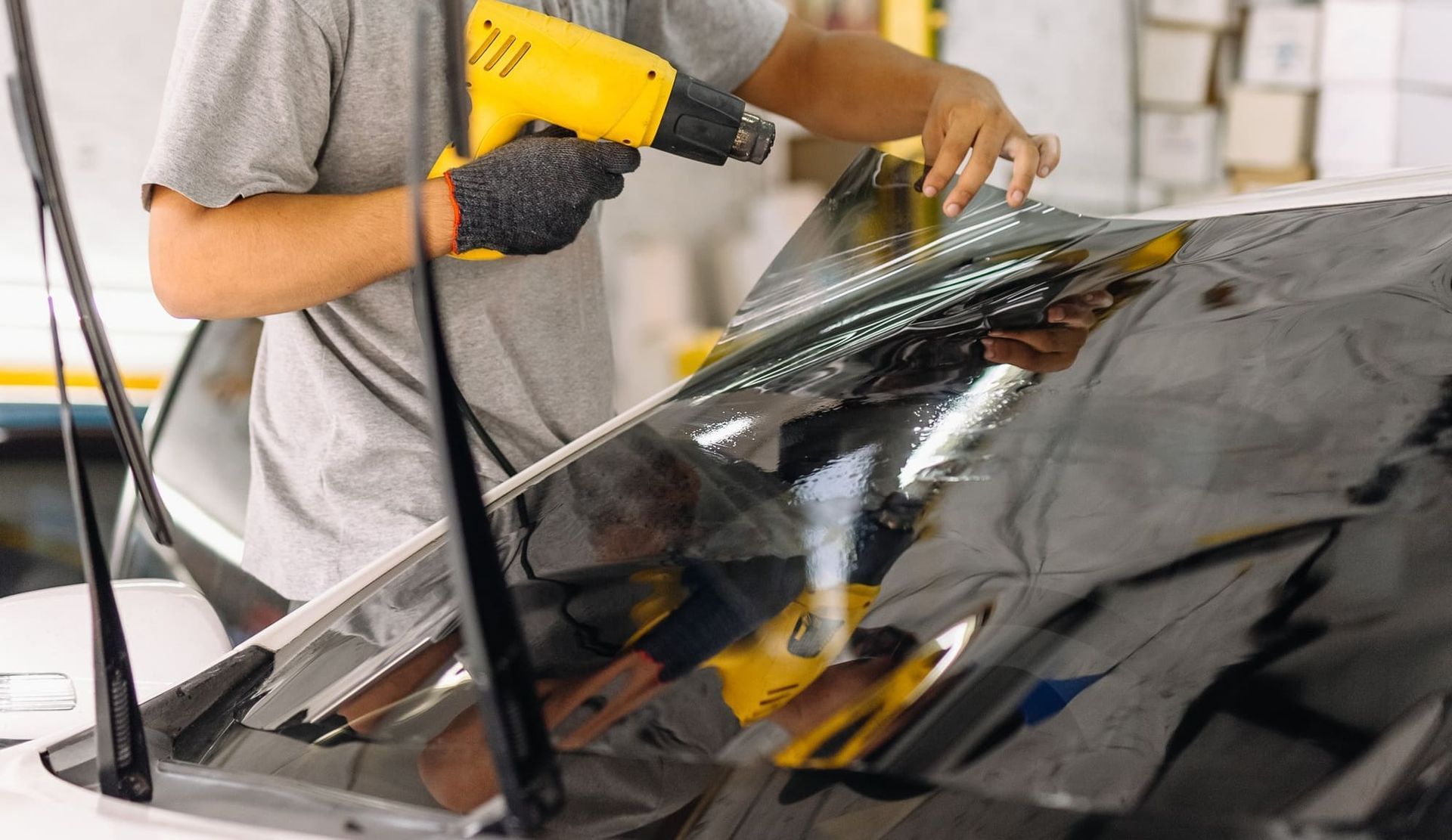
How We Help You Choose the Right Tint
At Top Line Tint and Audio, we'd rather spend a few extra minutes helping you pick the right shade than have you unhappy with your view after dark. Here's what to expect.
1. Free Consultation
We talk about how and when you drive, including night commutes, highway trips, or late shifts, and look at your vehicle's factory glass. Then we recommend a film and shade that fits your needs and budget.
2. Compare Real Film Samples
Seeing is believing. We can show you film samples on glass and our online auto film viewer so you can compare how 35%, 50%, and darker shades actually look before you decide.
3. Precision Preparation
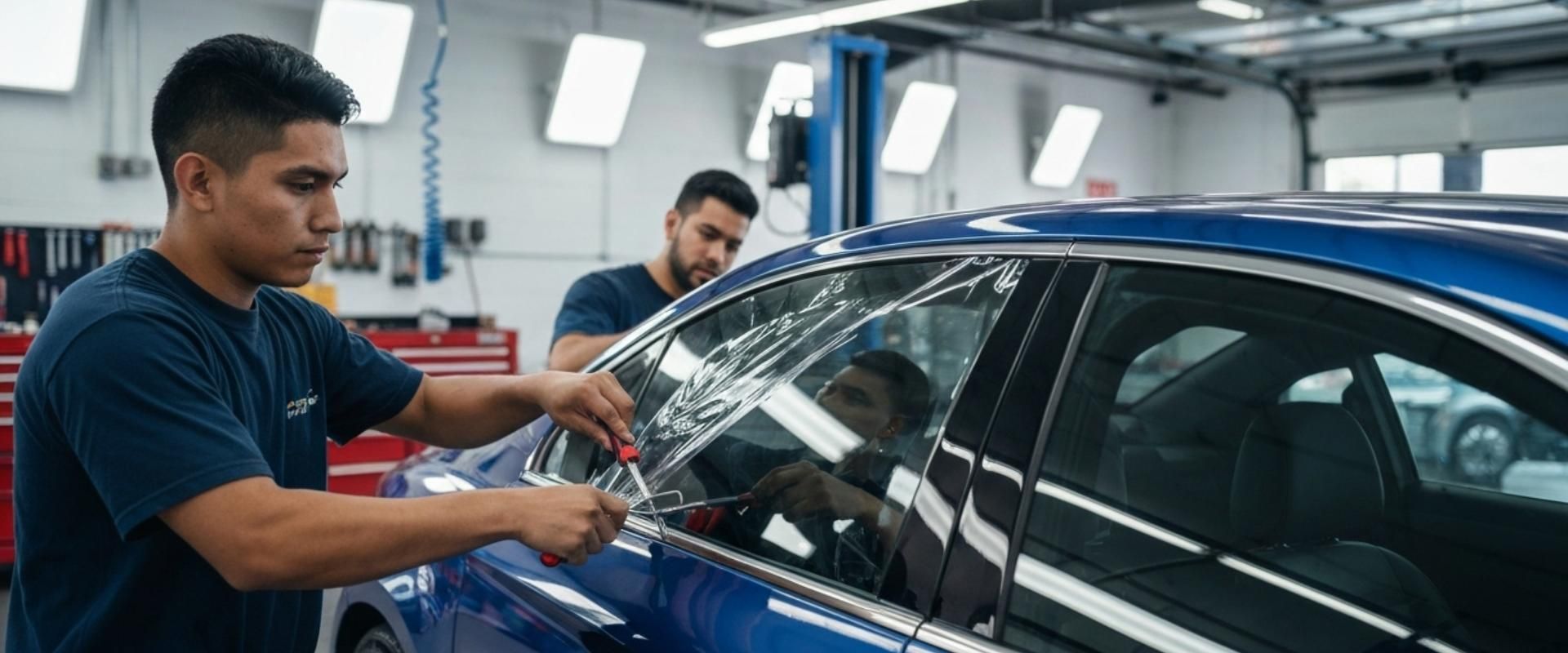
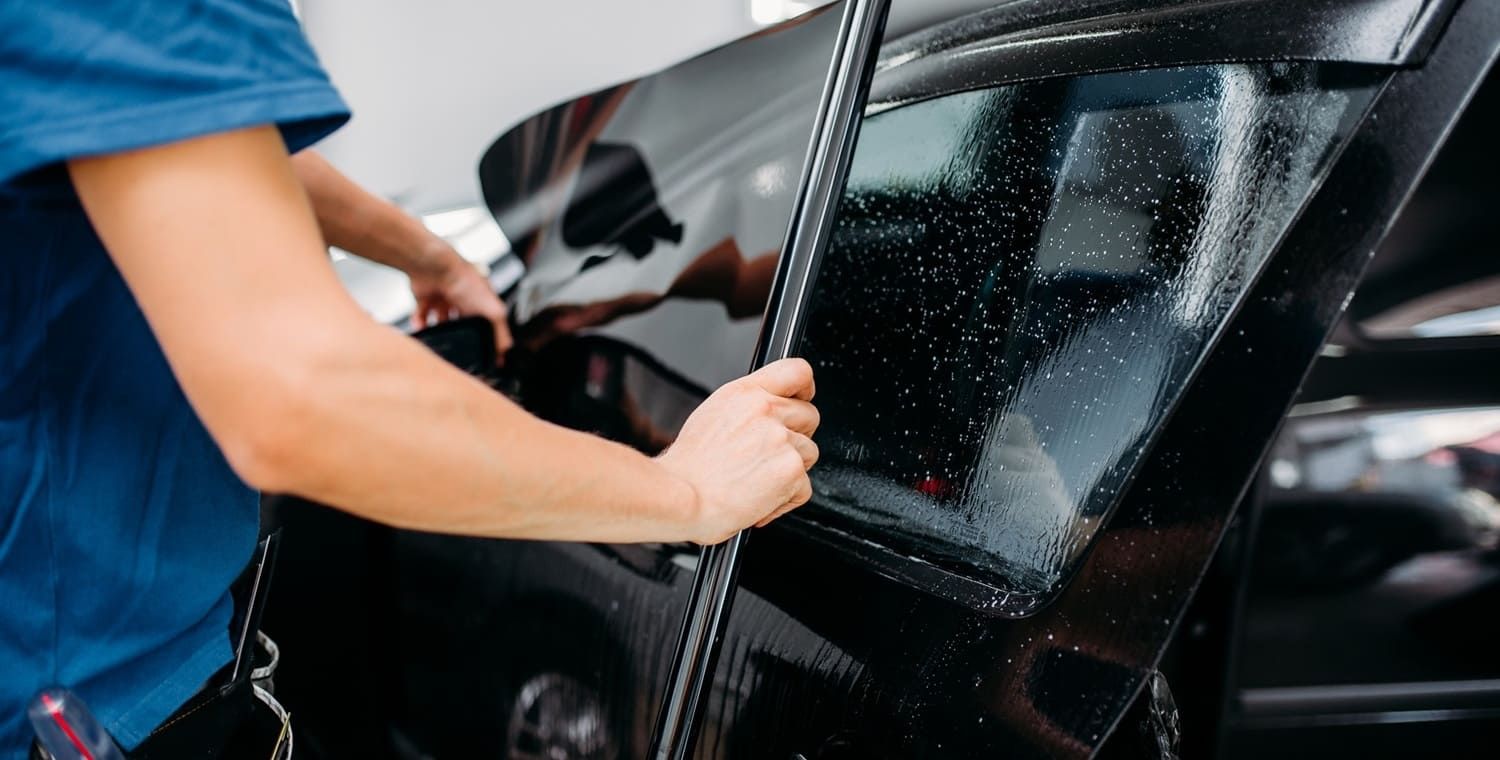
Your windows are thoroughly cleaned and prepped so the film bonds evenly, which helps avoid specks or haze that can be more noticeable at night.
4. Computer-Cut Installation
We use precision cutting software for an exact fit, with no guesswork and no blade marks on your glass. Most vehicles are finished in 2 to 4 hours.
5. Quality Inspection and Aftercare
Every installation is inspected for bubbles, gaps, and imperfections. We'll also explain curing time; we recommend waiting 3 to 5 days before rolling your windows down.
Tips for Driving at Night With Tinted Windows
Even with the right percentage, a few habits make night driving safer:
- Keep glass clean inside and out: Smudges and film on the glass scatter light and increase glare.
- Adjust your mirrors: Set side mirrors properly so you rely less on looking over your shoulder through tinted glass.
- Dim your dashboard: A bright dash makes it harder for your eyes to adjust to dark surroundings.
- Clean and aim headlights: Foggy lenses or misaligned headlights reduce what you can see.
- Lower your window if needed: When backing into a dark spot or checking a tight blind spot, rolling the window down briefly can help.
- Get regular eye exams: Night vision changes over time, especially as we age.
Why SWFL Drivers Choose Top Line Tint and Audio
Top Line Tint and Audio has served Cape Coral and Southwest Florida since 2010. As an authorized XPEL installer, we use XPEL PRIME window films backed by a manufacturer's lifetime limited warranty against bubbling, peeling, cracking, and discoloration (certain restrictions apply). Our installers are professionally trained, and we use computer-cut patterns in a controlled workspace for a clean, precise finish.
With more than 160 verified five-star Google reviews, our customers often mention that we explain options clearly and never push them into a shade they don't need. Our goal is simple: tint that keeps you cool, legal, and able to see clearly day and night.
Frequently Asked Questions About Tint and Night Driving
Is 35% tint good for night driving?
Yes. For most drivers, 35% on the front side windows offers a good balance of heat control, privacy, and night visibility. It's a popular choice in Florida because it stays above the 28% legal limit for front sides.
Is 20% tint too dark for night driving?
On the front side windows, 20% is not legal in Florida and noticeably reduces night visibility. On the rear windows of a sedan, 20% is legal and works well for privacy and reducing headlight glare from behind.
Is 5% tint safe at night?
5% limo tint makes it very hard to see at night and isn't legal on any side or rear window of a sedan in Florida. We don't recommend it for vehicles driven after dark.
What is the darkest legal tint in Florida?
For sedans, front side windows must allow at least 28% of light, and rear side and rear windows must allow at least 15%. For SUVs, trucks, and vans, rear side and rear windows can go as low as 6%. Windshield tint is allowed only above the AS-1 line.
Does ceramic tint help with night driving?
Yes. High-quality ceramic tint offers excellent optical clarity with low haze, so headlights and streetlights look cleaner. Because ceramic rejects heat without needing to be very dark, you can choose a lighter shade that's better for night driving.
Can I get a medical exemption for darker tint in Florida?
Florida allows medical exemptions for darker tint with proper documentation. Keep in mind that darker tint still reduces night visibility, so discuss your options carefully with your doctor and installer.
Drive Cool by Day and Confident at Night
The best tint for night driving isn't the darkest one you can get. It's the one that blocks Florida heat and UV while still letting you see clearly when the sun goes down. For most Southwest Florida drivers, that means 35% or lighter on the front side windows, 15% to 20% in the rear, and a high-clarity ceramic film like XPEL PRIME XR PLUS.
If you drive in Cape Coral, Fort Myers, North Fort Myers, Lehigh Acres, Estero, Bonita Springs, Naples, or Punta Gorda, Top Line Tint and Audio can help you compare real samples and choose a shade that fits the way you drive.
Call (239) 240-3007, book online, or request a
free estimate. Visit us at 1020 NE Pine Island Road, Unit 303, Cape Coral, FL 33909.