
Do Dash Cams Work Better With Window Tint at Night?
Night driving is where dash cams earn their keep. In Cape Coral and across Southwest Florida, the combination of dark roads, sudden rain, reflective lane markings, and intense headlight glare can make it harder for a dash cam to capture clean, readable footage. Streetlights, LED headlights, and bright signage create hotspots that can wash out license plates and reduce contrast in the recording. At the same time, low light can introduce noise, motion blur, and “smearing” as the camera boosts exposure to see more detail. That is why many drivers ask a practical question before tinting their windows: does
window tint improve dash cam clarity at night by cutting glare, or does it reduce the light a camera needs and make footage worse? The real answer depends on the tint type, the visible light transmission level, how the dash cam is mounted, and whether you choose a film designed for optical clarity.
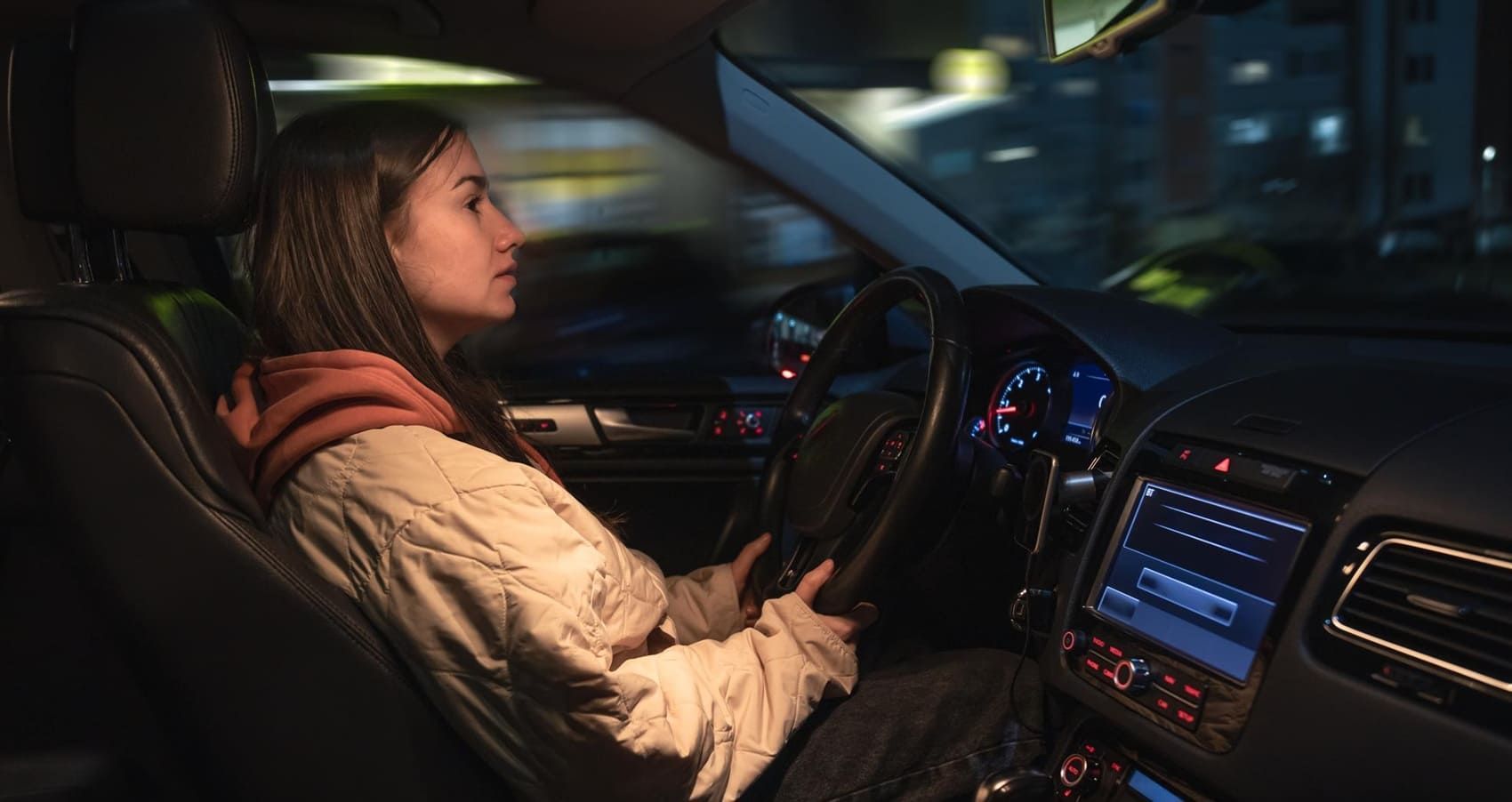
Table of Contents
1. How Dash Cams Capture Light at Night
2. VLT Explained: How Tint Shade Affects Clarity
3. Glare Reduction and Why It Can Help Video
4. Dyed vs Carbon vs Ceramic for Dash Cams
5. Windshield Tint and Dash Cam Placement Tips
6. Florida Tint Laws and Dash Cam Considerations
7. Why Professional Installation Matters
1. How Dash Cams Capture Light at Night
To understand dash cam night performance window tint concerns, it helps to know what your camera is doing in the dark. A dash cam is a small digital camera with a wide-angle lens and a sensor that converts incoming light into an image. At night, there is less available light, so the camera must compensate. The key tools a dash cam uses are exposure, ISO gain, frame rate, and digital processing.
What changes in low light
- Longer exposure: The camera keeps the shutter “open” longer to collect more light. This can increase motion blur, especially at speed.
- Higher ISO gain: The camera amplifies the signal from the sensor. This brightens the image but increases noise and grain.
- More aggressive processing: Noise reduction and sharpening try to clean up the image. Too much processing can smear details like plate characters.
- High dynamic range (HDR): Many dash cams attempt to preserve detail in both bright headlights and dark surroundings. HDR can help, but it is not magic.
Why glare and headlights are such a problem
Modern LED headlights create extremely bright points of light. When your dash cam sees those highlights, it can clip them, meaning the brightest pixels become pure white with no detail. That can spill into surrounding areas and reduce contrast. If the camera then lowers exposure to handle glare, the rest of the scene becomes darker. If it raises exposure to show the road, the glare becomes worse. This balancing act is the core challenge of night recordings.
Where tint enters the conversation
Tint can change the light entering the cabin through side windows and the windshield area, and it can change how reflections appear on glass. The question is whether those changes help the dash cam by reducing glare and reflections, or hurt it by reducing overall light. The outcome depends on film type, shade, and where the tint is installed.
2. VLT Explained: How Tint Shade Affects Clarity
Visible Light Transmission (VLT) is the percentage of visible light that passes through the glass and film together. Higher VLT means a lighter appearance and more light transmission. Lower VLT means a darker appearance and less light transmission. For drivers, VLT affects nighttime visibility and comfort. For dash cams, VLT can influence how much light reaches the sensor indirectly through the cabin environment.
Important detail: most forward-facing dash cams look through the windshield, and Florida windshield tint rules are stricter than side and rear windows. So the windshield itself is often not darkened significantly in a legal setup. Side window VLT and rear window VLT may still influence cabin brightness and reflections.
How VLT can impact dash cam recordings
- Cabin reflections: Darker side windows can reduce interior reflections on the windshield, which can help the camera see through the glass more cleanly.
- Ambient cabin light: A darker cabin can reduce stray light that bounces into the lens, which can reduce haze in some situations.
- Total light environment: Extremely dark tint can reduce the amount of light in the cabin. While the camera primarily depends on the road scene, less ambient light can still affect how the camera’s auto exposure behaves in edge cases.
Practical VLT guidance for dash cam users
| VLT% | How it feels at night | Dash cam risk | Best use case |
|---|---|---|---|
| 50% to 70% | Comfortable, visibility-friendly | Low | Drivers who want glare control and clarity |
| 30% to 35% | Noticeably darker, still usable for many | Medium | Balanced privacy and performance for many cars |
| 20% and below | Dark, can be challenging on unlit roads | Higher | Privacy-first drivers who accept tradeoffs |
For window tint dash cam clarity, the best results usually come from choosing a film with strong optical clarity and moderate VLT, rather than going as dark as possible.
3. Glare Reduction and Why It Can Help Video
Glare is not just annoying for drivers. It is also one of the biggest reasons dash cam footage becomes hard to use at night. Glare can hide lane markers, wash out vehicles, and make license plates unreadable. The right tint can reduce glare in two meaningful ways: reducing overall brightness of incoming light from side windows, and reducing internal reflections.
Glare types that affect dash cams
- Direct glare: Headlights and high-mounted truck lights pointed toward your windshield.
- Reflected glare: Light bouncing off your dash, phone screens, glossy trim, or windshield smudges.
- Backscatter: A “haze” effect caused by tiny particles, moisture, or dirty glass scattering light.
How tint can improve night footage
When glare is reduced, the camera often retains more contrast. That can make it easier to see lane edges, vehicle outlines, and road signs. It can also reduce blooming around headlights. In some cases, a driver will see better dash cam recordings after tint not because the camera sees more light, but because the camera sees cleaner light with fewer reflections and less washed-out highlight spill.
Glare reduction vs light loss tradeoff
Tint always reduces some visible light. The goal is to choose a film and VLT that reduces glare enough to improve contrast without making the overall scene too dark. This is where high-quality films matter. Films designed for clarity and performance can deliver
comfort benefits without forcing you into an excessively dark shade.
4. Dyed vs Carbon vs Ceramic for Dash Cams
Not all tint is created equal. The film technology matters for heat rejection, durability, clarity, and how likely it is to cause issues with modern electronics. For dash cam users, the biggest film concerns are optical clarity, glare behavior, and long-term stability.
Film types and what they mean for cameras
| Film type | Glare control | Heat rejection potential | Optical clarity | Electronics friendliness |
|---|---|---|---|---|
| Dyed | Medium | Low to medium | Varies by quality | High |
| Carbon | Medium to high | Medium | Often strong | High |
| Ceramic | High | High | High when premium | Very high |
| Metallic or metalized | Medium | Medium | Varies | Can be a concern |
For many drivers,
ceramic tint for dash cam use is the best match because it can reduce glare and heat without relying on metallic layers that have historically raised interference concerns.
Ceramic films are also often chosen for clarity, which matters when you are trying to capture readable evidence footage at night.
Where XPEL Auto Window Tint fits
Top Line Tint and Audio installs XPEL Auto Window Tinting products engineered to provide heat rejection, glare reduction, and optical clarity that support modern in-vehicle technology. For Cape Coral drivers who want to protect interiors from Florida sun while maintaining dash cam clarity, a premium film with strong optical standards is a practical choice.
5. Windshield Tint and Dash Cam Placement Tips
Dash cam performance depends heavily on the windshield because that is the primary viewing window. Even small changes in windshield conditions can have a larger effect than side window tint changes.
Windshield tint considerations
- Legality: Florida has specific rules for windshield tinting. Many setups allow only a top strip above the AS-1 line. Confirm what is allowed before tinting.
- Optical quality: Windshield-rated films must minimize haze and distortion. Poor film or poor installation can create visible waviness.
- Reflection control: The cleaner the windshield and the better the film clarity, the less internal reflection the dash cam has to fight.
Mounting placement for best night footage
Dash cams see what is directly in front of the lens. If the lens is too low, it may pick up more dashboard reflection. If it is too close to tinted bands or frit areas, it may lose clarity. These placement tips help most drivers:
- Mount high and centered near the rearview mirror to reduce dash reflections.
- Avoid the dotted frit area where possible, since it can reduce clarity and create distortion.
- Keep the lens away from wiper dead zones so it sees through clean glass in rain.
- Do a night test drive and adjust angle to reduce headlight bloom.
ADAS cameras and sensor zones
Many newer vehicles have forward-facing cameras behind the windshield for lane assistance, collision warnings, and adaptive cruise functions. These systems can be sensitive to film choice and installation quality. A professional installer can recommend film options and mounting placement that preserve ADAS performance while supporting dash cam use.
6. Florida Tint Laws and Dash Cam Considerations
Florida tint laws matter because the “best” tint for dash cam clarity is not helpful if it creates a compliance issue. Drivers around Cape Coral often want a balance: glare control, heat rejection, and a legal setup that avoids tickets.
Key legal concepts to keep in mind
- VLT limits: Rules vary by window position and vehicle type.
- Windshield rules: Typically more restrictive than side windows.
- Reflectivity restrictions: Highly reflective films can draw attention and may violate standards.
If you are pairing tint with a dash cam, prioritize a legal and visibility-safe windshield plan first. Then build side and rear tint choices around comfort and your night driving habits.
Compliance table for dash cam users (planning)
| Goal | Risk area | Safer approach |
|---|---|---|
| Reduce glare at night | Too-dark front windows | Moderate VLT plus high-quality film |
| Keep dash cam clear | Windshield haze or distortion | Windshield-rated film or no windshield film |
| Improve heat rejection | Choosing shade instead of technology | Ceramic-based film for performance |
7. Why Professional Installation Matters
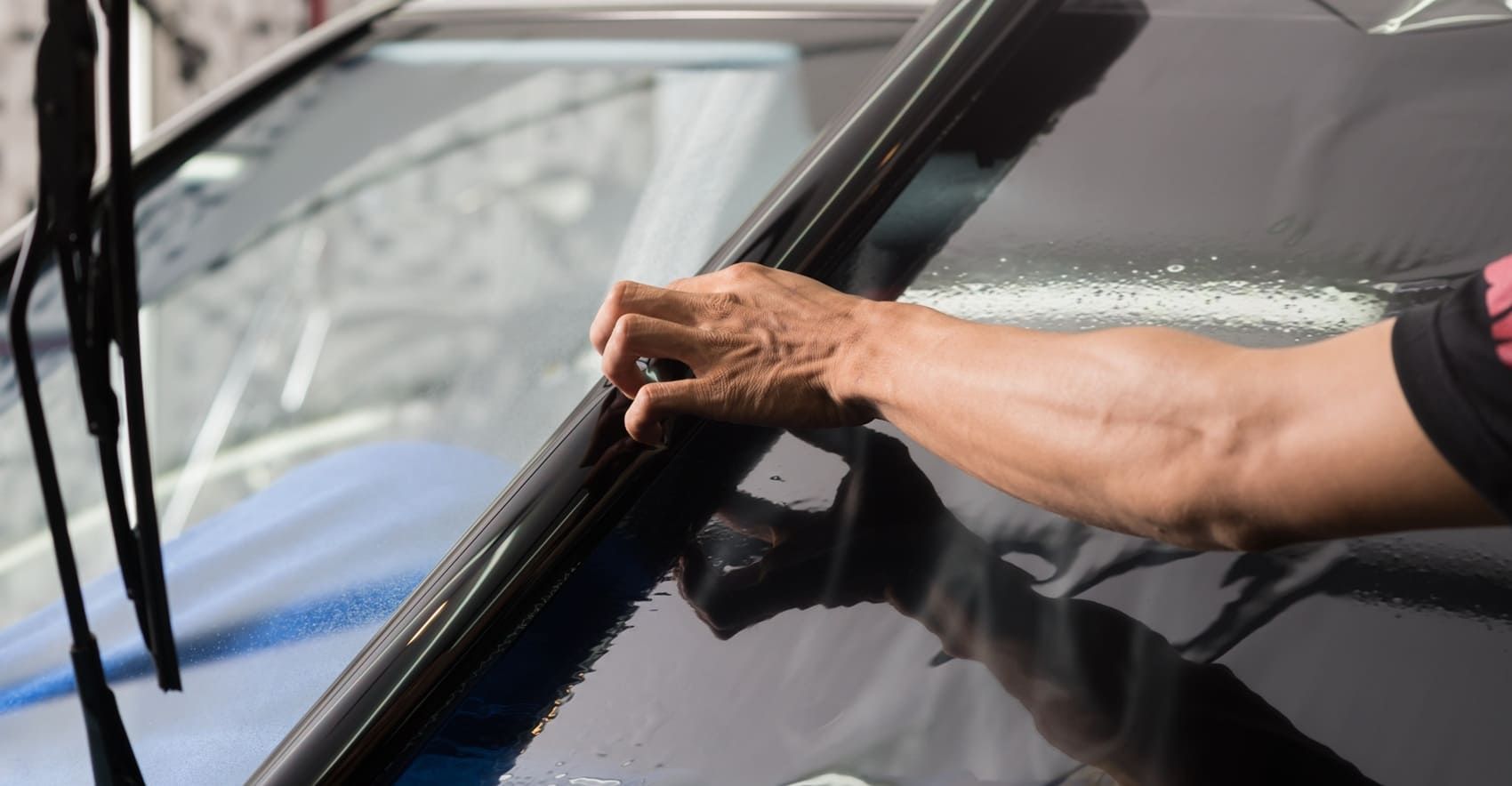
Dash cam owners should treat installation quality as part of the recording system. A premium dash cam can still produce disappointing footage if the windshield has contamination, poor film edges, or haze created by a rushed tint job. Professional installation matters for performance, safety, and compliance.
How installation affects dash cam footage
- Clarity: Dust, debris, or trapped moisture can create visible artifacts that the camera records.
- Edge finishing: Poor edges can peel and create distortion in the camera’s field of view.
- Film selection: Choosing a film designed for optical clarity reduces night haze.
- Mounting guidance: A good shop can help you avoid sensor zones and glare hotspots.
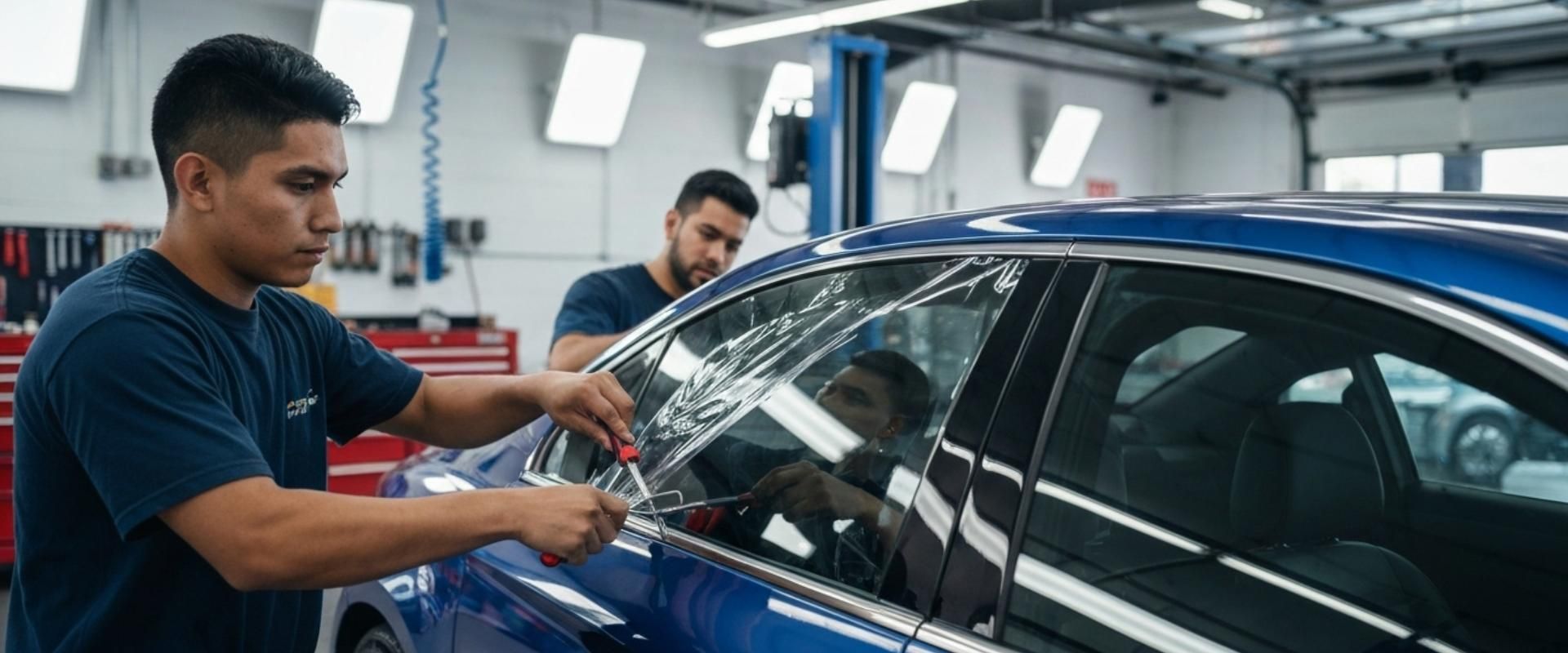
Top Line Tint and Audio provides professional tint installation in
Cape Coral, FL, and can recommend a configuration that supports dash cam clarity while delivering Florida-ready heat rejection and glare reduction. We install
XPEL Auto Window Tinting products engineered to provide heat rejection, glare reduction, and optical clarity that support modern in-vehicle technology.
FAQ: Dash Cam Night Performance and Window Tint
Do dash cams work better with window tint at night?
They can, especially if tint reduces glare and windshield reflections. The key is choosing a film and VLT that improves contrast without overly darkening your usable view.
Does darker tint reduce camera clarity?
Very dark tint can reduce visible light and may increase noise in low-light recordings, especially for rear-facing or cabin-facing cameras. Moderate shades with high-quality film typically perform better.
What is the ideal tint percentage for dash cam users?
Many drivers prefer moderate VLT for night comfort. The best choice depends on your driving routes, street lighting, and Florida legal limits. A shop can help you choose a compliant option.
Will ceramic tint help dash cam night video?
Ceramic films are often chosen for optical clarity and glare control. Many drivers see improved contrast at night when glare and reflections are reduced.
Does tint affect dash cams with night vision sensors?
Most dash cams rely on visible light performance and processing, not true infrared night vision. Film choice and VLT can influence how the camera balances exposure and noise.
Should I tint my windshield if I use a dash cam?
Windshield tint has legal and visibility considerations in Florida. If you choose it, use a windshield-rated film and keep the dash cam mounted where it sees through the clearest area.
Where should I mount my dash cam for the best night footage?
Mount high and centered near the rearview mirror, avoid frit areas, and aim through a clean wiper coverage zone. Test at night and adjust to reduce headlight bloom.
Can tint interfere with GPS, 5G, or sensors?
Modern non-metallic films are generally electronics-friendly. Older metalized films raised more interference concerns. If you are worried, choose a non-metallic film type and confirm compatibility.
Is XPEL auto window tint a good option for dash cam clarity?
XPEL films are widely chosen for performance, glare reduction, and clarity. The best result comes from the right VLT choice and professional installation.
How can I reduce windshield reflections that show in footage?
Keep the windshield clean inside and out, reduce shiny dash surfaces, mount the camera high, and choose a tint setup that helps control reflections while staying legal.
Conclusion and Free Estimate CTA
Window tint can improve dash cam night recordings when it reduces glare and interior reflections, but the benefits depend on smart choices. Prioritize optical clarity, a visibility-safe VLT level, and a windshield plan that stays compliant with
Florida law. For many Cape Coral drivers, premium non-metallic films provide the best balance of glare control, heat rejection, and clean night footage without hurting camera performance.
If you want expert guidance on window tint dash cam clarity and the best configuration for your vehicle,
contact Top Line Tint and Audio in
Cape Coral, FL. We install XPEL Auto Window Tint products engineered to deliver heat rejection, glare reduction, and optical clarity that support modern in-vehicle technology. Reach out today to get a
free estimate for window tint solutions optimized for night driving and dash camera clarity.