
Is Factory Privacy Glass the Same as Aftermarket Window Tint?
Is factory privacy glass the same as aftermarket window tint? Many drivers in
Cape Coral, FL and across Southwest Florida assume it is because the glass looks darker from the outside. That assumption can be costly in a hot, humid climate where cabin temperatures can spike quickly and intense sun can fade interiors. Factory privacy glass is usually made by adding pigment to the glass during manufacturing, which darkens appearance but often provides limited heat control compared with modern film technology. Aftermarket
window tint is a performance layer that can be engineered to block ultraviolet rays and reject infrared heat,
improving comfort, protecting skin and upholstery, and reducing strain on your air conditioning. If you are researching
factory privacy glass vs window tint before upgrading your vehicle, understanding how each works helps you choose the right solution for Florida driving. This guide explains the differences, what to expect in real world heat, and why
Top Line Tint and Audio recommends
XPEL
window tint options built for Florida conditions.
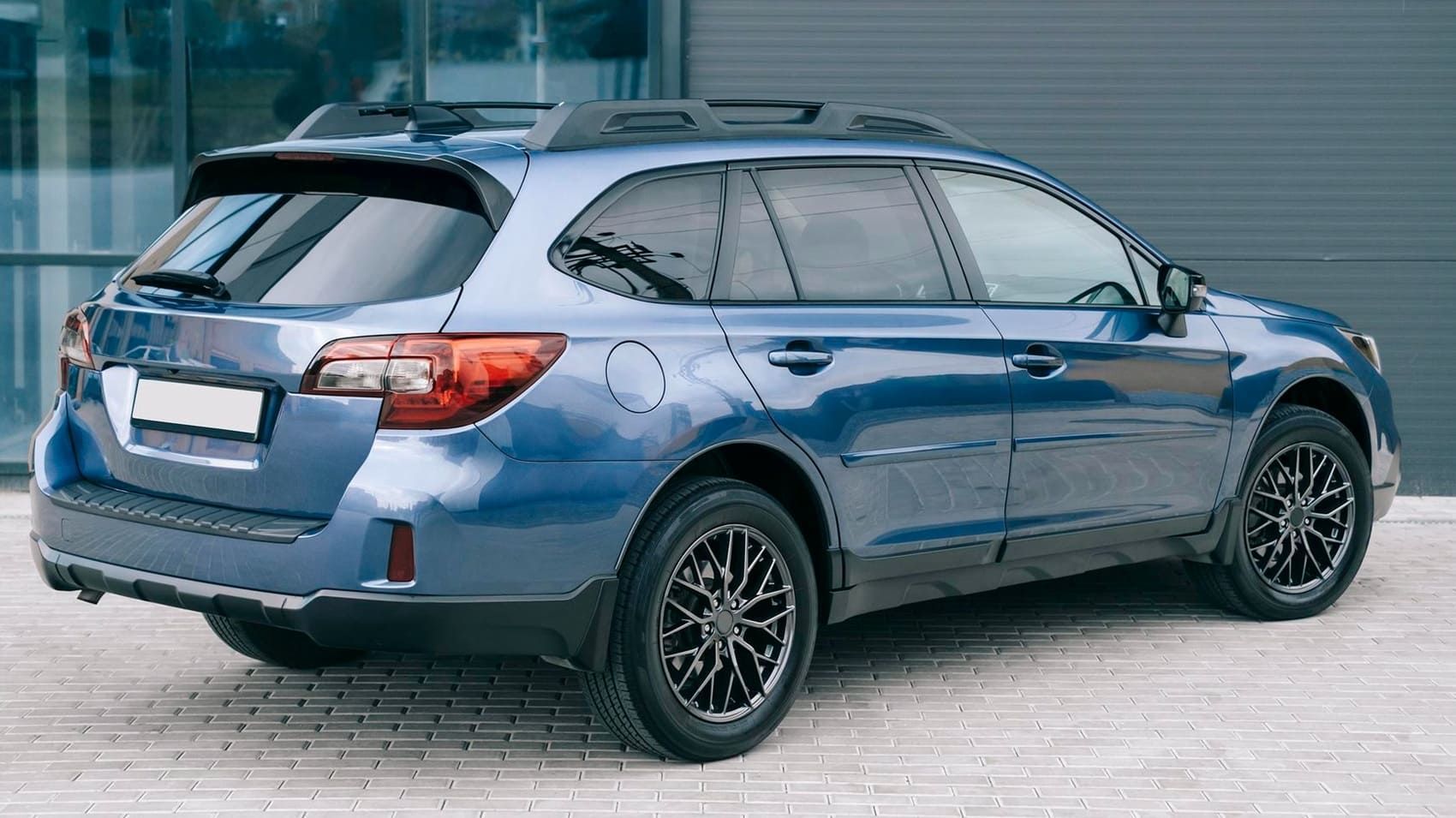
Table of Contents
- What Factory Privacy Glass Is and How It Is Made
- What Aftermarket Window Tint Is and How It Works
- Factory Privacy Glass vs Window Tint: Side by Side Comparison
- Heat Rejection, UV Protection, and Infrared: What Matters in Florida
- Ceramic Tint Over Factory Glass: The Best Upgrade Path
- Florida Tint Laws and Practical Compliance Tips
- Why Professional Installation Delivers Better Results
- FAQ: Factory Privacy Glass and Aftermarket Tint
1. What Factory Privacy Glass Is and How It Is Made
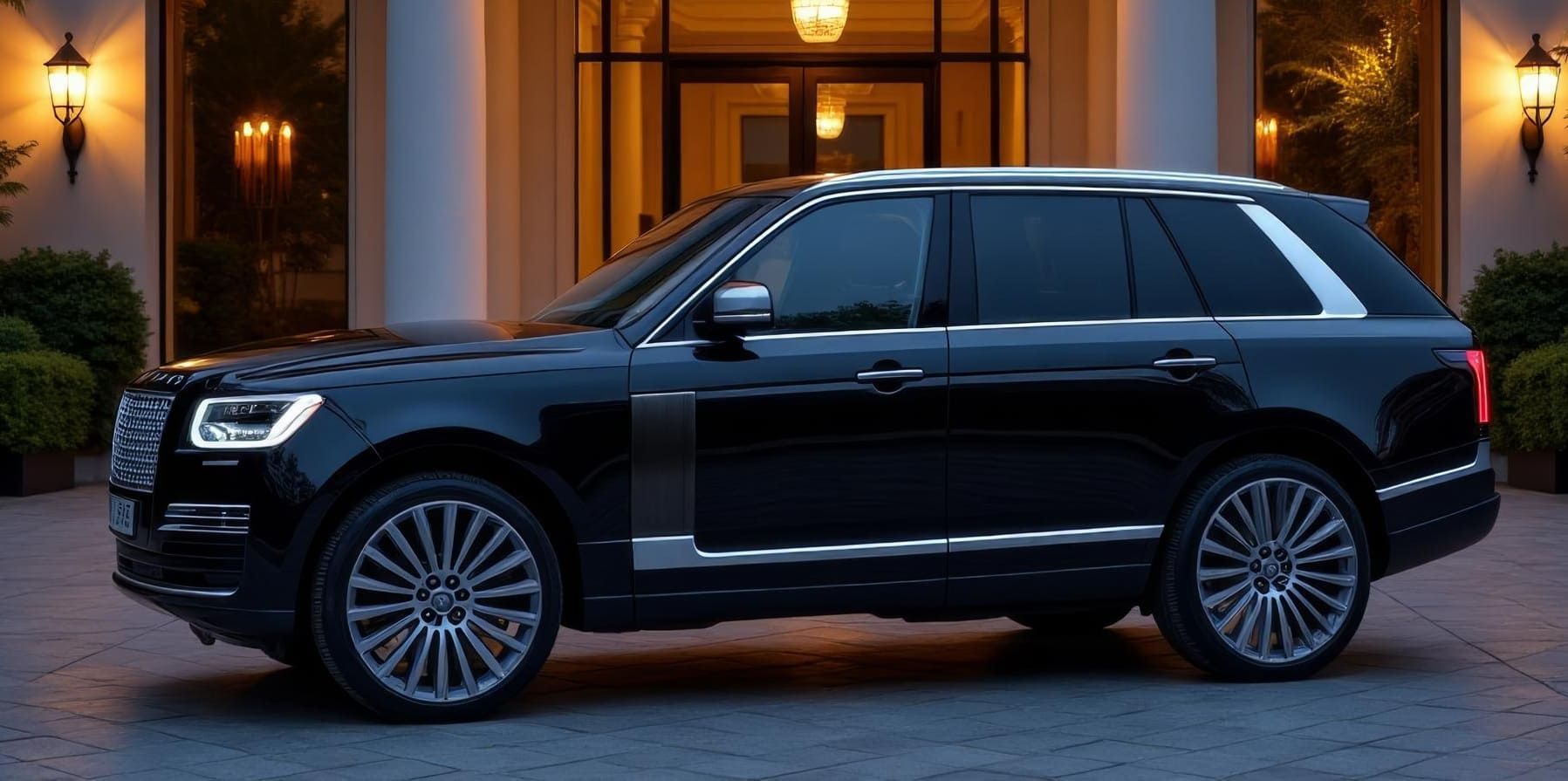
Factory privacy glass is glass that is darkened during manufacturing. Instead of applying a film after the vehicle is built, the glass itself is produced with a tinting agent, typically pigment, mixed into the molten glass. That pigment reduces visible light transmission, which is why privacy glass makes the rear passenger and cargo area harder to see into.
On many SUVs, trucks, and crossovers, privacy glass is most commonly installed on the rear doors and the rear hatch. The front driver and passenger windows are usually clear from the factory because most states restrict front side window darkness, including Florida. For Southwest Florida drivers, this is where confusion often starts. The rear windows look tinted, so it feels like the vehicle is already protected.
Privacy glass is primarily an appearance and privacy feature. Some factory privacy glass may provide a baseline level of UV filtering because many modern automotive glass types include some UV inhibitors, but the level of heat control can be modest. The key point is that privacy glass is not automatically a heat rejecting technology. It is a darker piece of glass, not a multi layer film engineered for solar performance.
If your search includes does factory tint block heat , the accurate answer for most vehicles is: it blocks some light and can reduce glare from behind, but it often does not provide the same infrared heat rejection that a quality aftermarket film can deliver. That difference becomes obvious in the Florida sun when cabin temperatures climb and your AC works harder.
2. What Aftermarket Window Tint Is and How It Works
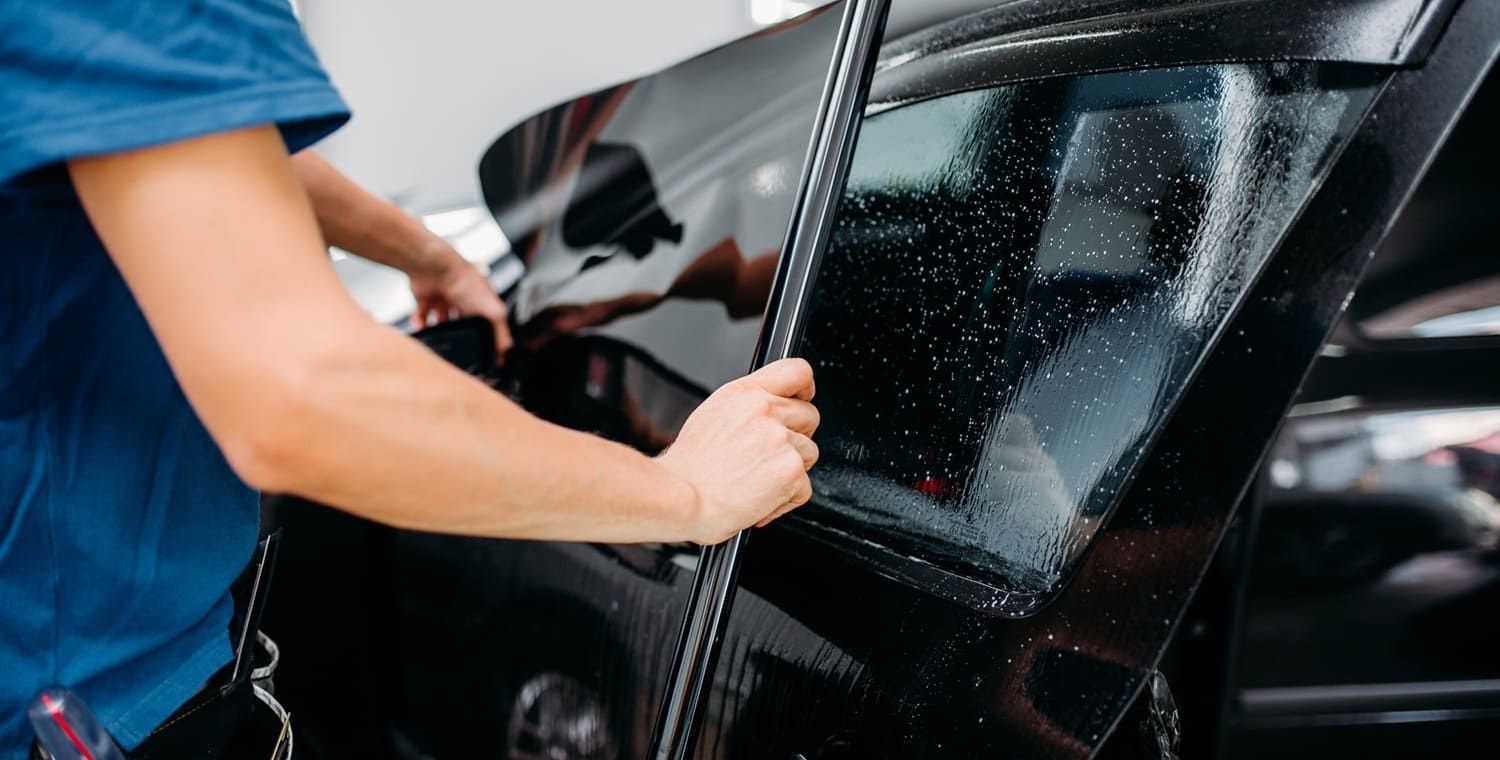
Aftermarket window tint is a thin film applied to the inside surface of your vehicle windows. Unlike factory privacy glass, the film can be engineered with layers that target specific parts of the solar spectrum. Higher quality films are designed to reduce UV exposure, reject infrared heat, improve glare control, and maintain optical clarity.
There are multiple categories of window tint, but for Florida performance, the most relevant terms are dyed, carbon, and ceramic. Dyed films focus more on appearance and glare reduction. Carbon films can offer improved heat performance.
Ceramic films are engineered for stronger infrared rejection and clarity without needing extremely dark shades.
This engineering is why many owners who already have privacy glass choose to add a film anyway. When you apply a high performance film to factory privacy glass, you can improve comfort and protect interiors without changing the factory glass itself. This is commonly described as ceramic tint over factory glass , and it is one of the most practical upgrades for Southwest Florida drivers.
Top Line Tint and Audio installs XPEL Auto Window Tint products because they are built to deliver strong heat rejection, UV protection, and clear visibility for everyday driving. If you are searching for window tint Cape Coral FL and you care about comfort, film choice and installation quality matter as much as shade.
3. Factory Privacy Glass vs Window Tint: Side by Side Comparison
The easiest way to compare factory privacy glass vs window tint is to look at what each option is designed to do. Privacy glass is designed for darker appearance and privacy. Aftermarket film can be designed for privacy, but it is also a performance upgrade focused on solar control.
Comparison Table
| Feature | Factory Privacy Glass | Aftermarket Window Tint (Film) |
|---|---|---|
| Heat Rejection | Usually limited and varies by vehicle | Can be high with ceramic films and premium options |
| UV Protection | May offer partial UV filtering depending on glass | Often designed for strong UV blocking |
| Glare Reduction | Moderate, mainly because the glass is darker | Adjustable based on shade, with improved clarity options |
| Appearance | Uniform dark glass, typically rear windows only | Customizable shade and finish for a consistent look |
| Overall Performance | Privacy focused, not optimized for infrared heat | Performance focused, especially for Florida heat and sun |
Notice that the word “infrared” is not a typical factory privacy glass selling point. That is the core reason drivers in Cape Coral often feel disappointed after buying a vehicle with privacy glass and still experiencing intense cabin heat.
4. Heat Rejection, UV Protection, and Infrared: What Matters in Florida
To understand does factory tint block heat , it helps to separate three concepts that are often blended together online: visible light, ultraviolet (UV), and infrared (IR). Visible light affects how bright the sun feels and how much glare you see. UV affects skin and interior fading. IR contributes heavily to the heat you feel on your skin and the temperature rise inside the cabin.
Factory privacy glass reduces visible light by making the glass darker. That can help with privacy and some glare, but it does not automatically reject a large share of infrared heat. In Cape Coral summers, the sensation of heat often comes from infrared energy entering through the glass and heating seats, dashboards, and interior surfaces.
Aftermarket window tint , especially ceramic tint, is designed to address solar energy in a more targeted way. Premium films can provide strong UV filtering and meaningful infrared rejection while keeping visibility comfortable for driving. That is why many owners report that the vehicle “feels cooler” after a quality tint, even if the shade is not extremely dark.
Real World Performance in Southwest Florida
In Florida heat, performance is not just about comfort. A cooler cabin can mean less AC workload, faster cooldown after parking, and less stress on electronics and interior materials. Drivers often notice these practical improvements after adding ceramic film to privacy glass:
- Steering wheel and seats feel less scorching after the car sits in the sun.
- Cabin cools down faster once the AC starts.
- More consistent comfort for rear passengers and pets in the back seat area.
- Reduced harsh glare during afternoon drives and on reflective roads near the coast.
Structured Snapshot: Why Privacy Glass Often Falls Short on IR
| Question | Quick Answer |
|---|---|
| Is privacy glass the same as heat rejecting glass? | No. Privacy glass is mainly darkened for appearance and privacy. |
| Does darker always mean cooler? | No. Darkness affects visible light, not necessarily infrared heat. |
| What blocks the heat you feel? | Infrared rejection from engineered films like ceramic tint. |
If you want your upgrade to target the heat that makes Southwest Florida driving uncomfortable, focus on proven film performance rather than just darker looking glass.
5. Ceramic Tint Over Factory Glass: The Best Upgrade Path
Many Cape Coral drivers ask a very practical question: Can you tint over privacy glass? Yes, professional installers regularly apply film over factory privacy glass. The film bonds to the inside surface of the window, so the factory pigment inside the glass does not prevent installation. What it does change is the final appearance, since the film shade and the privacy glass shade stack together.
For most drivers, the goal is not to make the glass extremely dark. The goal is to add the missing performance layer that privacy glass does not provide. That is where XPEL window tint options and ceramic technology matter. Ceramic films are designed to improve infrared rejection and UV protection, helping rear windows perform more like a purpose built solar control system.
How Ceramic Film Enhances Factory Privacy Glass
- Infrared heat rejection: Targets the heat you feel during sunny Florida drives.
- UV protection: Helps reduce skin exposure and slows interior fading and cracking.
- Optical clarity: Designed to maintain visibility and reduce hazy appearance.
- Balanced shade: Can improve comfort without making the cabin too dark at night.
If you want a clean, uniform look, a common approach is to tint the front doors to match the rear privacy glass while also applying film to the rear to boost performance. This can improve the overall aesthetic while delivering real comfort gains. A shop that understands Florida vehicles can recommend a shade strategy that fits your goals and keeps you compliant.
Structured Table: Comfort Gains After Adding Ceramic Tint
| Area | Before (Privacy Glass Only) | After (Privacy Glass + Ceramic Film) |
|---|---|---|
| Rear seat comfort | Can still feel hot from sun load | Typically improved comfort and reduced heat sensation |
| Interior material protection | Some protection, often incomplete | Stronger UV defense and slower fading over time |
| AC performance | Longer cooldown on sunny days | Often faster cooldown and less AC strain |
For Florida drivers who keep their vehicles for years, the combination of comfort and protection is usually the biggest reason they choose a premium tint upgrade.
6. Florida Tint Laws and Practical Compliance Tips
Florida tint laws focus on visible light transmission (VLT), which is the percentage of light that passes through the glass. The lower the number, the darker the window. While privacy glass comes from the factory, adding aftermarket tint changes the final VLT, so compliance still matters.
Because tint regulations can change and enforcement can vary, the safest approach is to work with a professional shop that understands Florida requirements and can recommend a legal setup for your vehicle type. For most passenger vehicles, the front side windows generally must allow more light than the rear windows. SUVs and multi purpose vehicles can have different allowances on rear windows, which is why many come with privacy glass in the first place.
If your priority is performance rather than darkness, ceramic films can help you improve comfort while keeping the front windows within legal limits. This is especially helpful for drivers who are concerned about nighttime visibility and want a balanced look.
When you request window tint Cape Coral FL , ask for an explanation of how the chosen film shade interacts with your existing factory privacy glass. That conversation prevents surprises and helps you achieve the result you actually want.
7. Why Professional Installation Delivers Better Results
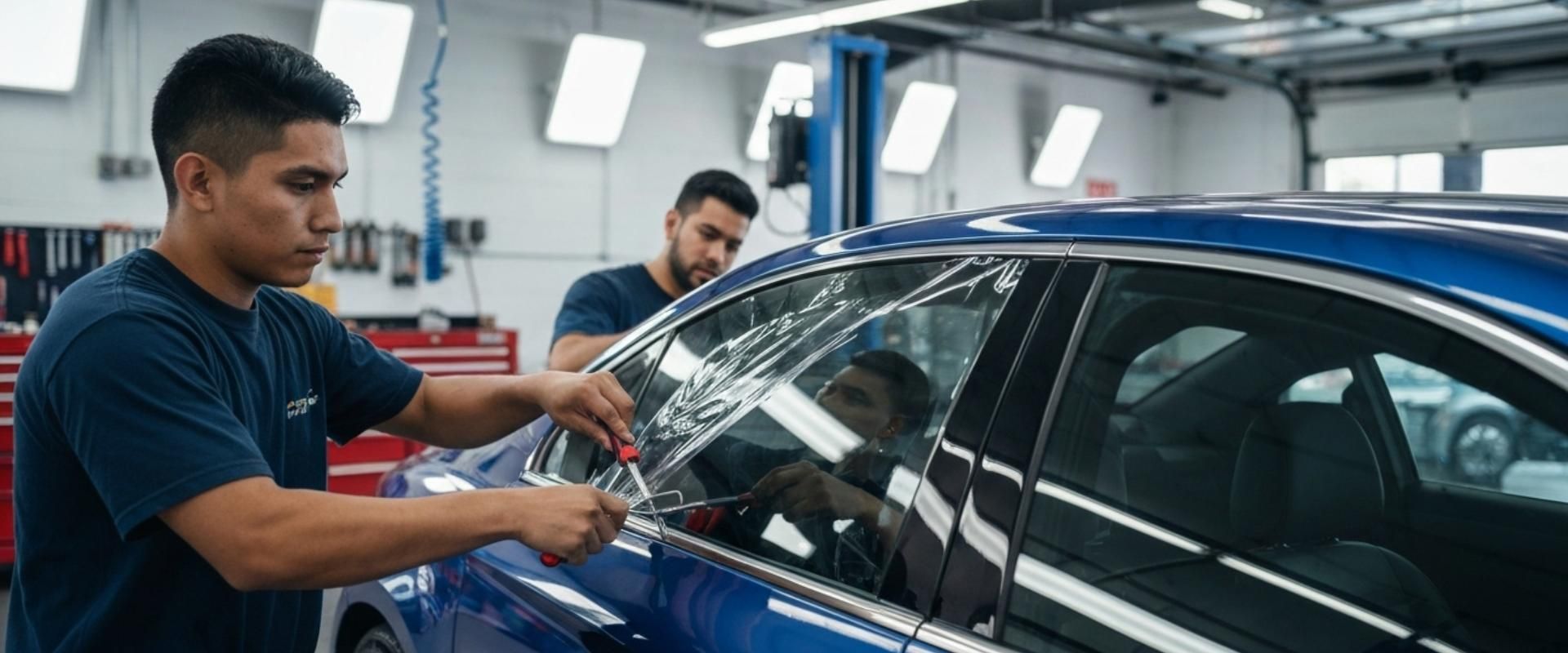
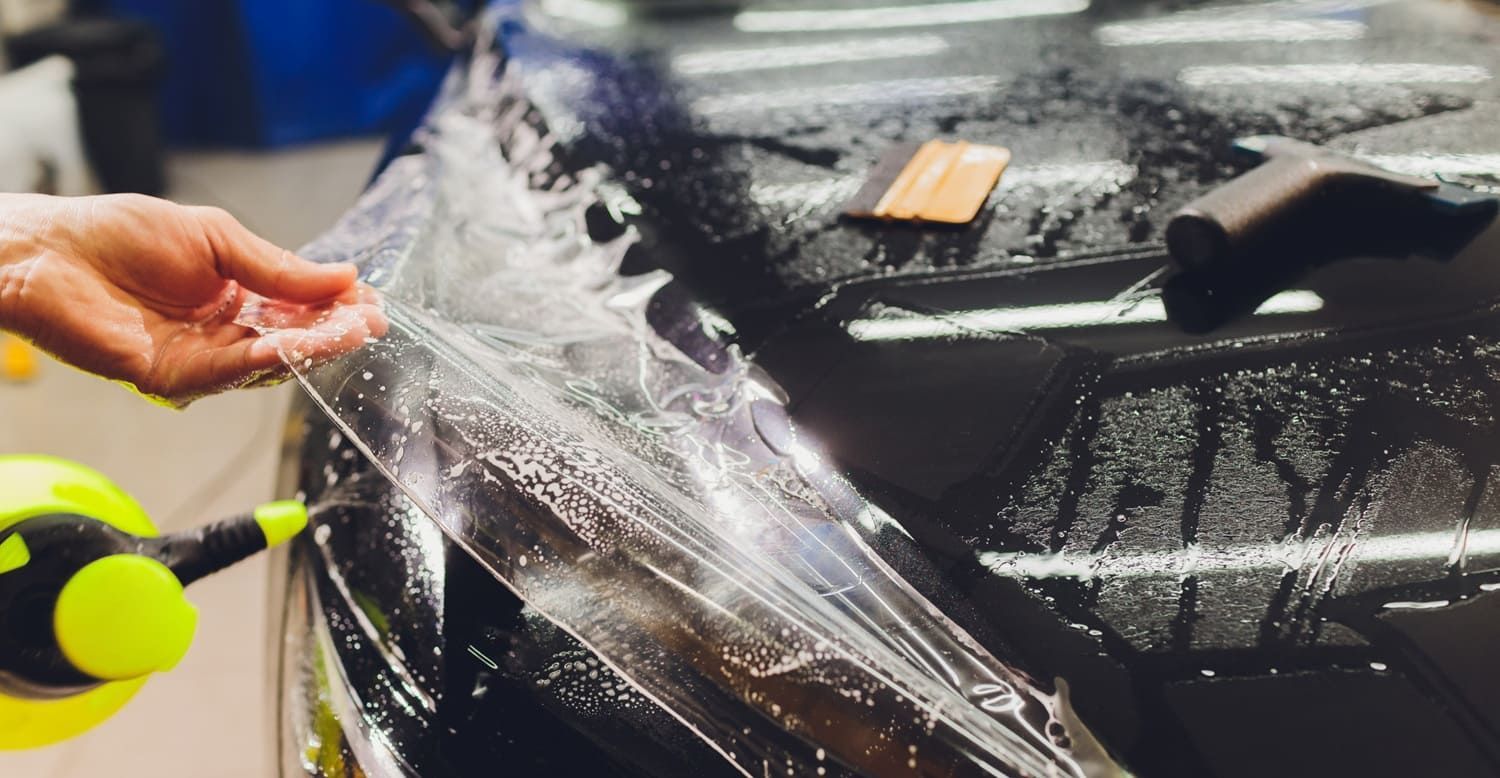
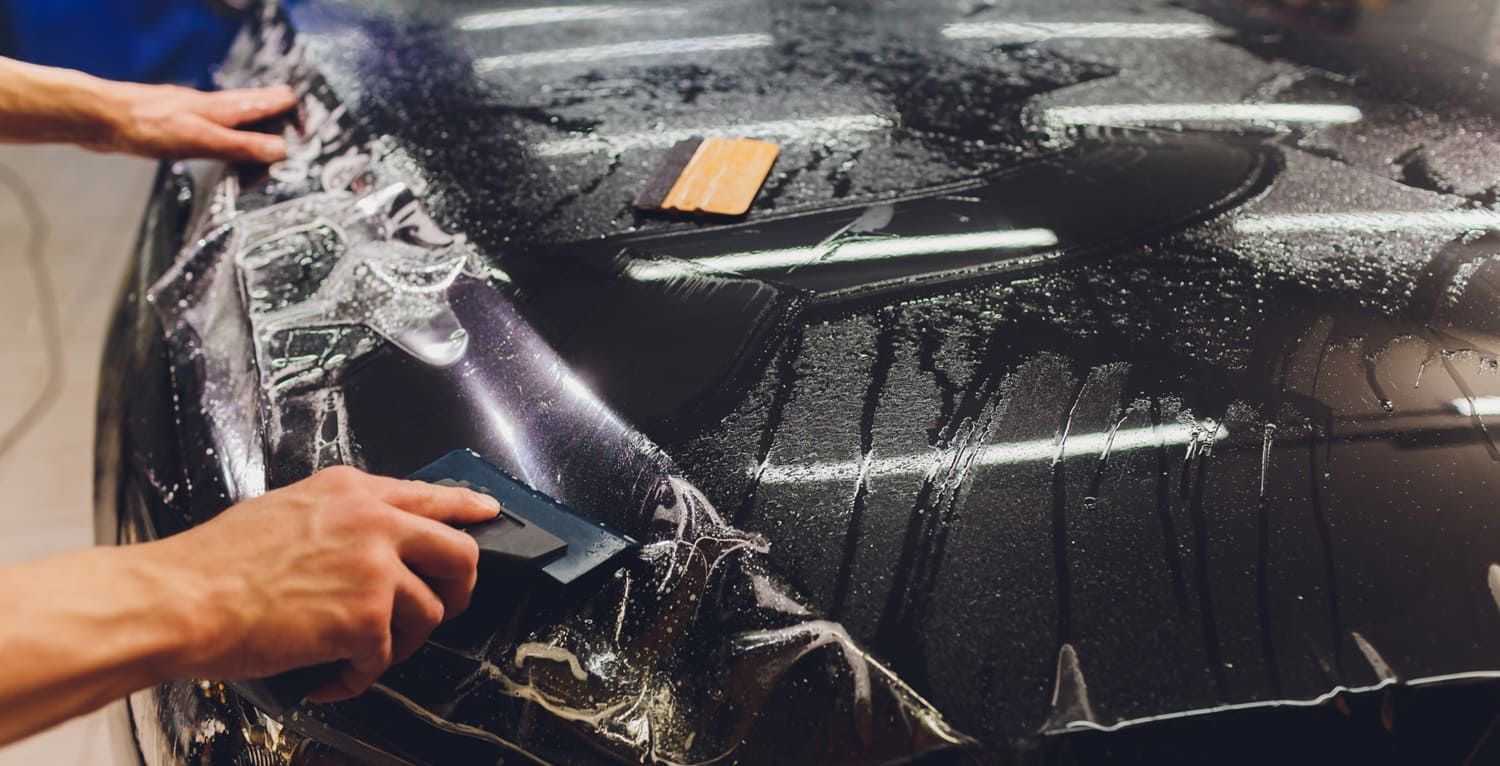
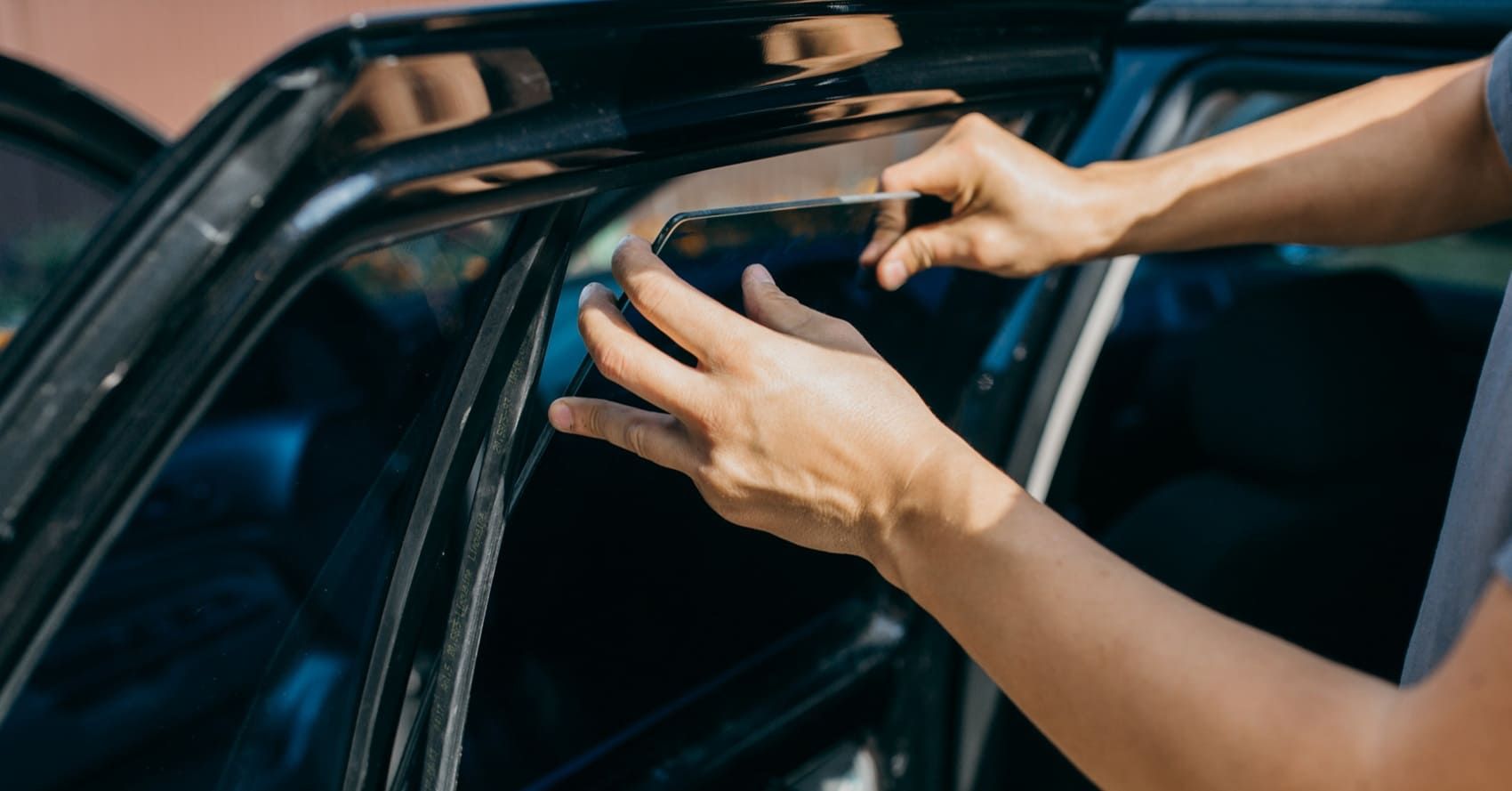
Even the best film can underperform if it is installed poorly. Professional installation is about more than making the windows look good. It is about correct fit, clean edges, long term adhesion, and a final appearance that stays clear and consistent.
Modern vehicles have complex window shapes, defroster lines, sensors, and tight seals. A professional installer uses proper techniques to shape the film, manage moisture during application, and minimize contamination that can cause bubbles or haze. This is especially important in humid coastal environments like Southwest Florida where dust and moisture can create challenges.
Top Line Tint and Audio focuses on delivering a result that matches the reason you are tinting in the first place: better comfort, better protection, and a clean finish that complements your vehicle. If you are investing in
XPEL Auto Window Tint for superior heat rejection and optical clarity, professional installation ensures you actually receive those benefits.
FAQ: Factory Privacy Glass and Aftermarket Tint
Does factory privacy glass block heat?
It can reduce some solar brightness, but it often does not block infrared heat as effectively as a high performance film.
Does factory tinted glass block UV rays?
Some factory glass provides partial UV filtering, but aftermarket films are typically designed to provide stronger UV protection.
Is factory privacy glass the same as window tint?
No. Privacy glass is pigment in the glass, while window tint is a film applied to the glass with engineered performance layers.
Can you tint over privacy glass?
Yes. Film is applied to the interior surface, and it is common to add film for better heat rejection.
Will tinting over privacy glass make it too dark?
It can if the shade choice is too aggressive. A professional can recommend a film shade that meets your goals.
What is the best tint for Florida heat?
Ceramic tint is often preferred because it targets infrared heat while maintaining clarity.
How much heat is reduced with ceramic tint?
Results depend on film type, shade, and vehicle glass, but many drivers notice a significant reduction in heat sensation and faster cabin cooldown.
Does darker tint always block more heat?
No. Darkness is about visible light, while heat rejection depends heavily on film technology, especially infrared performance.
Is ceramic tint over factory glass worth it?
For many Southwest Florida drivers, yes, because it adds the missing heat and UV performance that privacy glass alone may not provide.
Can ceramic tint improve glare reduction?
Yes. It can reduce harsh sunlight and reflections, improving driving comfort.
Is window tint legal in Florida?
Yes, but it must meet Florida VLT rules. Vehicle type and window position affect what is allowed.
Do I need to tint the windshield?
Many drivers choose a clear or very light film where legal for UV and heat benefits, but regulations are specific. Ask a professional for compliant options.
How long does aftermarket tint last?
Longevity depends on film quality and installation. Premium films installed correctly can last for years.
Will tint interfere with defrosters or electronics?
Quality films and proper installation generally avoid issues, but some vehicles require special care around sensors and defroster lines.
Does XPEL window tint come with a warranty?
Warranty coverage varies by product and installation terms. Top Line Tint and Audio can explain the film warranty options during your estimate.
Conclusion: Choose Performance, Not Just Dark Glass
Factory privacy glass and aftermarket window tint are not the same. Privacy glass is primarily a factory darkening feature for appearance and privacy, and it often falls short on the infrared heat control that matters most in Southwest Florida. Aftermarket tint, especially ceramic film, is engineered to improve heat rejection, UV protection, glare comfort, and long term interior preservation. If you have been asking factory privacy glass vs window tint or does factory tint block heat , the practical takeaway is simple: privacy glass may look tinted, but a quality film can deliver the comfort and protection Cape Coral drivers need.
If you are ready to upgrade,
contact
Top Line Tint and Audio for a
free estimate. We install
XPEL Auto Window Tint options tailored to Florida conditions, helping you improve cabin comfort, protect your interior, and achieve a clean, professional finish that fits your vehicle and your goals.