
How Much Does Car Window Tint Cost in Florida? 2026 Price Guide for Southwest Florida Drivers
Most Florida drivers pay between $150 and $900 to tint their car windows. Where you land in that range depends on three things: the type of film, the size of your vehicle, and how many windows you tint. Basic dyed film on a small car sits at the low end. Premium nano-ceramic film on a large SUV sits at the high end. For Southwest Florida's heat, most drivers find the best value in the middle-to-upper range.
If you've called around Cape Coral or Fort Myers for tint quotes, you've probably seen prices that seem all over the map. One shop quotes $150, another quotes $600, and it's hard to tell whether you're comparing the same thing. Usually, you're not.
At Top Line Tint and Audio, we've been tinting vehicles in Cape Coral since 2010, and "How much will it cost?" is always the first question. This guide breaks down typical Florida tint prices, explains what drives the cost up or down, and shows you how to compare quotes so you get the right tint for your car and budget.
Quick Answer: Typical Car Window Tint Prices in Florida
The table below shows typical price ranges for a full tint (front sides, rear sides, and back glass). These are general Florida market ranges, not our specific rates. For an exact price on your vehicle, request a free estimate.
| Film Type | Coupe or Small Car | Sedan | SUV or Truck | Heat Rejection |
|---|---|---|---|---|
| Dyed film | $150–$250 | $175–$300 | $200–$350 | Basic |
| Hybrid or metallic film | $200–$325 | $225–$375 | $275–$450 | Moderate |
| Ceramic film | $275–$450 | $300–$550 | $350–$650 | High |
| Premium nano-ceramic (IR) film | $375–$600 | $400–$750 | $450–$900+ | Highest |
Common add-ons and partial jobs:
- Front two windows only: Often about $100 to $300, depending on the film.
- Windshield sun strip: Usually a small add-on to a full tint.
- Old tint removal: Typically about $50 to $150, depending on how badly the old film has degraded.
What Affects the Cost of Car Window Tint?
Several factors determine what you'll pay. Understanding them makes it much easier to compare quotes fairly.
Film Type and Technology
This is the biggest factor. Dyed films are the most affordable and mostly improve looks and privacy. Hybrid metallic films add better heat control. Ceramic and nano-ceramic films cost the most because they use advanced particles to block infrared heat, the part of sunlight you feel as heat, without interfering with electronics.
Vehicle Size and Number of Windows
More glass means more film and more labor. A two-door coupe costs less than a four-door sedan, and a three-row SUV with rear quarter windows and a large back glass costs more still. Vans and trucks with sliding rear windows can also change the price.
Window Shape and Difficulty
Steeply curved back glass, like on many sports cars and some EVs, takes more time and skill to fit properly. Vehicles with complex glass usually cost more to tint.
Old Tint Removal
If your car has old, bubbling, or purple tint, it has to come off before new film goes on. Removal takes time, especially on rear windows with defroster lines, so it adds to the total.
Brand, Warranty, and Installation Quality
A premium brand installed by trained technicians costs more than off-brand film. Part of what you're paying for is the warranty and the confidence that the tint won't fail in a few years.
Why Cheap Tint Often Costs More in Florida
A low quote is tempting, but Florida is hard on window film. Intense sun, high heat, and humidity quickly expose low-quality products.
Cheap dyed films often turn purple, bubble, or peel within a few years. When that happens, you pay twice: once to remove the failed tint and again for new film. A quality film with a lifetime warranty may cost more upfront, but it often costs less over the life of your vehicle.
Here's how budget film generally compares with premium ceramic film over time:
| Factor | Budget Dyed Film | Premium Nano-Ceramic Film |
|---|---|---|
| Upfront cost | Lower | Higher |
| Infrared heat rejection | Low | Up to 98% (XPEL PRIME XR PLUS) |
| Typical lifespan in Florida | Can fade or fail in a few years | Built to last with a lifetime warranty |
| Purple fading | Common | Not expected with quality ceramic film |
| Signal interference | None | None |
| Replacement cost later | Likely | Unlikely |
XPEL Tint Options and What They Cost at a Glance
As an authorized
XPEL installer, we offer film options for different budgets and performance goals. All three block 99% of UV rays and are backed by a lifetime warranty. They differ mainly in heat rejection, look, and price.
| XPEL Film | Type | Heat Rejection | Look | Price Tier | Best For |
|---|---|---|---|---|---|
| PRIME CS BLACK | Dyed | Basic | Deep black, non-reflective | $ | Drivers wanting style and UV protection on a budget |
| PRIME HP BLACK | Hybrid metallic | Moderate | Dark, sleek factory look | $$ | Drivers wanting a blacked-out look with better heat control |
| PRIME XR PLUS | Nano-ceramic | Up to 98% infrared | Neutral, clear | $$$ | Drivers wanting maximum heat rejection and clear signals |
For Southwest Florida, we recommend ceramic film for most drivers. The difference in cabin comfort is noticeable, especially if you park outside at work, at the beach, or in open lots in Fort Myers and Naples.
Florida Tint Laws Can Affect Your Price
Florida law limits how dark your tint can be, which affects which films and shades you can choose:
- Front side windows: Must allow more than 28% of light through.
- Rear side windows and back glass (sedans): Must allow more than 15% of light through.
- Rear side windows and back glass (SUVs, trucks, and vans): Can go as dark as 6%.
- Windshield: Non-reflective tint is allowed only above the manufacturer's AS-1 line, usually applied as a sun strip.
Florida also limits how reflective window film can be. Some drivers with qualifying medical conditions may apply for a medical exemption that allows darker tint.
Staying legal can actually save money. Illegal tint can lead to tickets and having to remove and replace the film. A professional shop will steer you toward legal shades from the start. Our Florida Auto Tint Laws page covers the details.
How to Get an Accurate Window Tint Quote
The fastest way to get a reliable price is to give the shop the right information and ask the right questions. Here's how.
Share Your Vehicle Details
Provide the year, make, model, and body style, such as a 2-door, 4-door, hatchback, or wagon. Let the shop know if your vehicle has extra rear quarter windows or a sunroof you want tinted.
Mention Any Old Tint
Tell the shop whether your windows already have tint that needs to be removed. This avoids surprise charges on installation day.
Ask for the Exact Film Name
A good quote lists the brand and product, not just "ceramic tint." That way you can compare quotes fairly and look up the film's heat rejection and warranty.
Confirm the Warranty
Ask what the warranty covers, how long it lasts, and whether it's backed by the manufacturer. Look for coverage against bubbling, peeling, cracking, and discoloration.
Ask About Installation Methods
Ask whether the shop uses computer-cut patterns and installs in a clean, controlled environment. These details make a real difference in how the finished tint looks and how long it lasts.
Is Ceramic Window Tint Worth the Extra Cost in Florida?
For most Southwest Florida drivers, yes. Here's why the upgrade usually pays off:
- A cooler cabin: XPEL PRIME XR PLUS blocks up to 98% of infrared heat, so your car stays noticeably cooler when parked and cools down faster once you start driving.
- Less strain on your AC: A cooler cabin means your air conditioning doesn't have to work as hard.
- Interior protection: Blocking 99% of UV rays helps prevent your dashboard, seats, and trim from fading and cracking.
- Clear signals: Ceramic film is metal-free, so it won't interfere with GPS, phones, Bluetooth, or keyless entry.
- Long-term value: Ceramic film resists fading and comes with a lifetime warranty, so you're less likely to pay for replacement later.
If budget is tight, a smart compromise is ceramic on the front windows, where you feel the most heat, with a more affordable film elsewhere. We can help you find the right balance.
What to Expect When You Get Your Car Tinted
Here's what the process looks like at our Cape Coral shop:
- Consultation: We look at your vehicle, discuss your goals and budget, and recommend the right XPEL film.
- Preparation: Your windows are thoroughly cleaned and prepped for a clean bond.
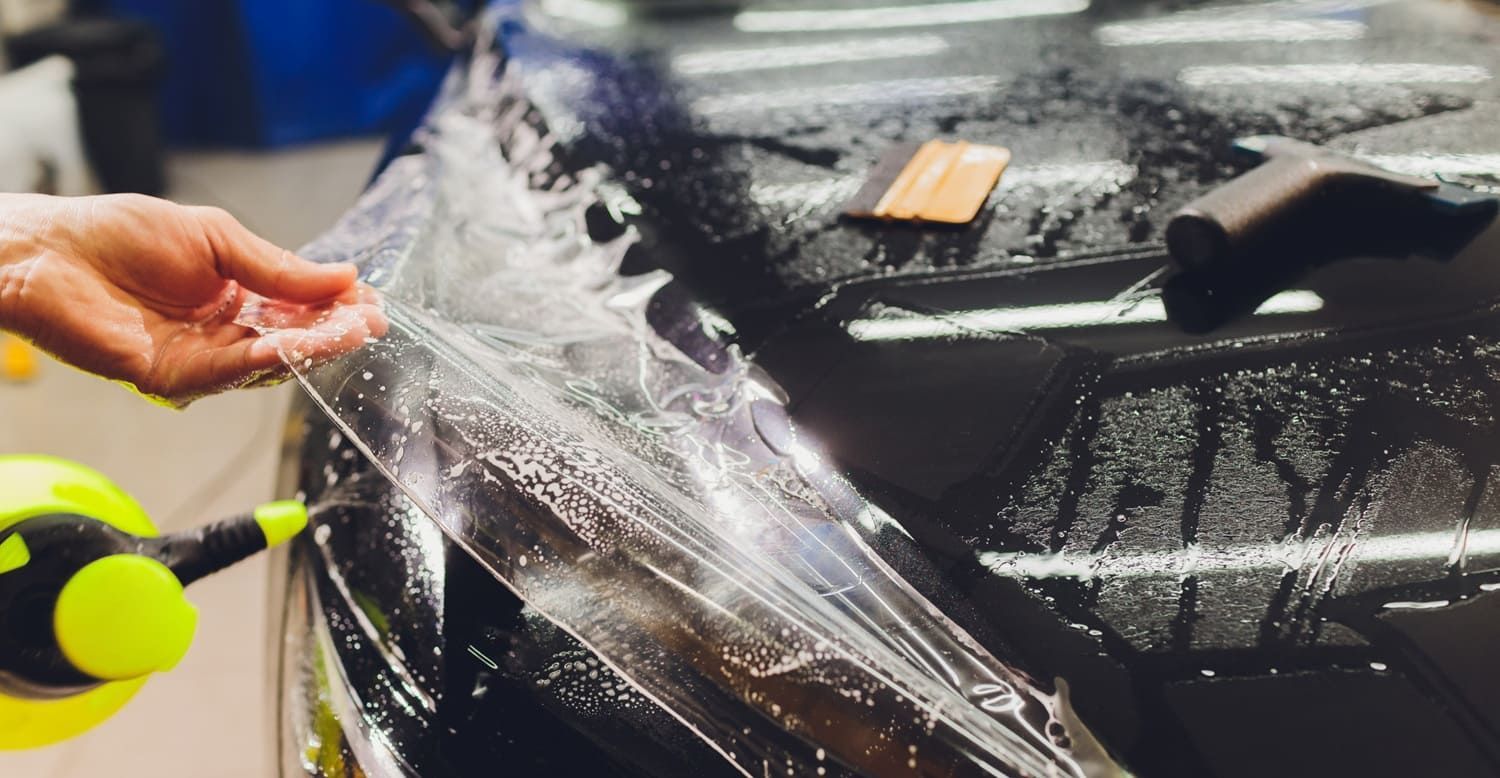
- Computer-cut installation: Patterns are cut with precision software for an exact fit with no blades on your glass.
- Inspection: We check every window for bubbles, gaps, or imperfections before you leave.
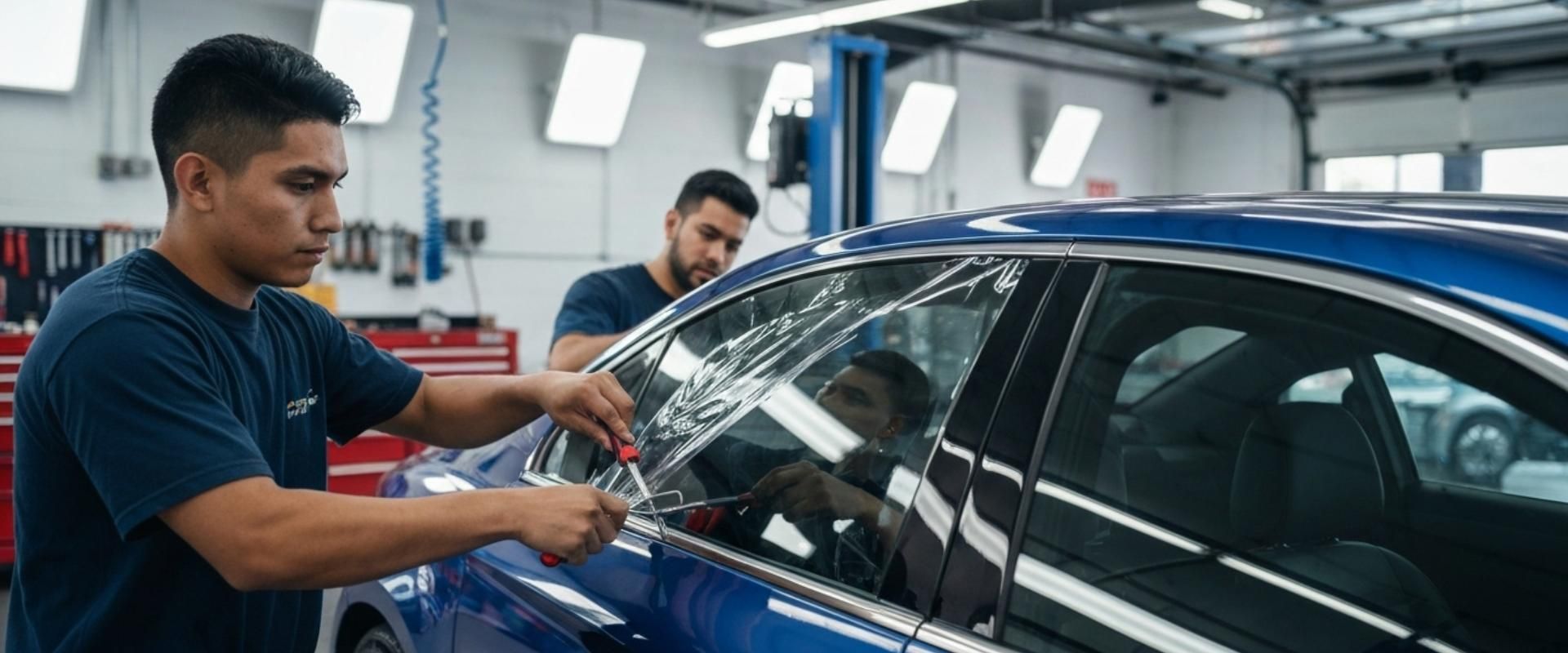
- Timing: Most vehicles take 2 to 4 hours, and larger SUVs or trucks may take a bit longer.
- Curing: Wait 3 to 5 days before rolling your windows down so the film can fully bond.
Why Southwest Florida Drivers Choose Top Line Tint and Audio
Since 2010, Top Line Tint and Audio has helped drivers across Cape Coral and Southwest Florida protect their vehicles and stay comfortable in the Florida heat. We focus on doing the job right the first time, with honest recommendations and pricing that fits your goals.
When you choose us, you get:
- An authorized XPEL installer with professionally trained technicians.
- Computer-cut patterns and a climate-controlled workspace for precise, clean installs.
- A lifetime manufacturer's warranty against bubbling, peeling, cracking, and discoloration.
- Over 160 verified 5-star Google reviews from local drivers.
- Competitive pricing on premium film, without dealership markup.
Frequently Asked Questions About Car Window Tint Cost in Florida
How much does it cost to tint a car in Florida?
Most Florida drivers pay between $150 and $900 for a full tint. Dyed film on a small car is at the low end, and premium nano-ceramic film on a large SUV is at the high end. Many drivers spend in the middle of that range.
How much does ceramic tint cost for a car?
Ceramic tint typically costs about $300 to $650 for most sedans and SUVs. Premium nano-ceramic films with maximum infrared rejection can cost more. The exact price depends on your vehicle and the specific film.
Why is window tint more expensive at some shops?
Price differences usually come from film quality, warranty coverage, and installation standards. A cheaper quote may use off-brand film with a short warranty. Always compare the exact film brand and product name.
How much does it cost to remove old window tint?
Professional tint removal typically costs about $50 to $150, depending on the number of windows and how badly the old film has degraded. Rear windows with defroster lines take the most care.
Does window tint void my car warranty?
No. Window tint is an aftermarket accessory and does not affect your vehicle's factory warranty.
Is it cheaper to tint just the front windows?
Yes. Tinting only the front two windows costs less than a full vehicle and is a popular way to match factory-tinted rear glass on SUVs and trucks.
Get a Free Window Tint Estimate in Cape Coral
Car window tint in Florida can cost anywhere from about $150 to over $900. The right choice is the one that fits your vehicle, your budget, and how much heat protection you want. Quality film installed by trained professionals is an investment that pays off every time you step into a cooler car.
Ready to find out exactly what your vehicle will cost? Visit Top Line Tint and Audio at 1020 NE Pine Island Road, Unit 303, Cape Coral, FL 33909, call (239) 240-3007, or request a free estimate online. We proudly serve Cape Coral, Fort Myers, North Fort Myers, Lehigh Acres, Estero, Bonita Springs, Naples, Punta Gorda, and all of Southwest Florida.