
What Is the Best Window Tint for Florida Heat?
Southwest Florida sees some of the most intense heat and UV exposure in the country for most of the year. Cape Coral, Fort Myers, and the surrounding Lee County area regularly face high UV indexes, sustained summer temperatures, and a sun angle that beats down on vehicles and buildings harder and longer than in most other states. In that environment, window tint is not just a cosmetic choice. It directly affects comfort, energy costs, interior protection, and how long your investment holds up.
Not all window tint performs the same way against heat. Dyed, metallic, and ceramic films each reject infrared heat very differently, and the gap in real-world performance between a budget film and a premium ceramic product becomes impossible to ignore in Florida conditions. Ceramic window tint is the strongest performer in high-heat climates, but the right film also depends on your budget, your desired heat rejection level, and whether you are tinting a car, a home, or a commercial building. This guide covers everything you need to make the best decision for Southwest Florida.
Table of Contents
- Why Florida Heat Puts Extra Demand on Window Tint
- How Window Tint Actually Blocks Heat
- Dyed vs. Metallic vs. Ceramic Film: Which Rejects the Most Heat
- How Much Cooler Ceramic Tint Really Makes a Car or Room
- Best Tint Options for Vehicles in Florida Heat
- Best Tint Options for Homes and Businesses in Florida Heat
- How to Choose the Right Heat-Rejecting Tint for Your Needs
- FAQ: Best Window Tint for Florida Heat
Why Florida Heat Puts Extra Demand on Window Tint
Florida's climate creates conditions that expose window film to more cumulative solar stress than almost anywhere else in the continental United States. The state's low latitude means the sun remains high in the sky throughout the year, rather than just in summer. In Cape Coral and the surrounding Southwest Florida region, that means sustained direct sun for ten or more months with only modest seasonal variation.
The practical consequence is that window film installed in Lee County works harder every single day than film installed in a northern state. A car parked outside in Fort Myers during July can reach interior temperatures well above 150 degrees Fahrenheit on the dashboard and seat surfaces. Homes and businesses with west or south-facing glass absorb significant solar heat gain throughout the afternoon, driving up cooling loads and air conditioning costs. Without effective heat-rejecting film, that thermal load is transferred directly into the interior.
What Florida's Heat Does to Low-Quality Film
In high-UV, high-heat environments, film quality determines not only how well the tint performs at installation but also how long it continues to perform. Dyed films absorb rather than block solar energy. That absorbed heat is then re-radiated inward. Under Florida's sustained solar load, the dye compounds also break down progressively, causing the film to fade, purple, and lose its limited heat rejection capability within one to three years. Metallic and ceramic films handle this solar load fundamentally differently, which is why they last significantly longer in Southwest Florida conditions.
Heat Rejection vs. Tint Darkness: A Common Misconception
Many vehicle owners and homeowners assume that darker tint means better heat rejection. This is not accurate. Heat rejection is a function of the film's technology and construction, not its visible light transmission level. A dark dyed film can allow significant infrared heat to pass through while a nearly clear ceramic film blocks a large portion of solar heat. Understanding this distinction is critical to choosing the right film for Florida's climate.
How Window Tint Actually Blocks Heat
Solar energy arriving at your window consists of three components: ultraviolet radiation (UV), visible light, and near-infrared radiation (NIR). UV is responsible for fading, skin damage, and interior material degradation. Visible light is what you see. Near-infrared radiation is invisible but accounts for roughly half of the solar heat that enters through glass. Effective heat-rejecting tint needs to address all three, but infrared rejection is the single biggest driver of how cool a tinted car or room actually feels.
How Dyed Film Handles Solar Energy
Dyed film uses absorptive pigment layers to intercept visible light and some UV. It does not meaningfully block near-infrared radiation. The heat it absorbs is then re-radiated back into the vehicle or room, which limits its real-world cooling effect. On a hot Florida afternoon, a dyed tint makes the interior somewhat darker but does not dramatically reduce heat buildup the way a higher-performance film does.
How Metallic Film Handles Solar Energy
Metallic film uses vapor-deposited metal layers that reflect both visible light and near-infrared radiation. Its heat rejection performance is meaningfully better than dyed film. The tradeoff is that those metallic layers can interfere with GPS signals, mobile phone reception, satellite radio, and other wireless technologies that modern vehicles, homes, and businesses depend on. In an era when connected technology is standard in every car and smart home, this is a significant practical limitation.
How Ceramic Film Handles Solar Energy
Ceramic window film uses nano-ceramic particle technology that blocks and rejects UV, visible light, and near-infrared radiation without dyes that fade and without metallic layers that cause signal interference. The ceramic particles are chemically stable under prolonged heat and UV exposure, which is why ceramic film maintains its performance characteristics over its full lifespan rather than degrading within the first few years. In Florida's conditions, that stability is the difference between a film that still performs well in year eight and one that needs replacement in year two.
Dyed vs. Metallic vs. Ceramic Film: Which Rejects the Most Heat
The table below compares the three primary film types across the performance factors that matter most for vehicle owners, homeowners, and business owners in Southwest Florida.
| Film Type | Infrared Heat Rejection | UV Rejection | Optical Clarity | Signal Interference (GPS, Phone, Radio) | Fade and Color-Shift Resistance | Relative Cost | Typical Warranty Coverage |
|---|---|---|---|---|---|---|---|
| Dyed Film | Low: absorbs heat rather than blocking or rejecting it; limited NIR rejection | Moderate: limited by dye degradation over time | Good initially, degrades with fade and color shift | None | Poor: fades and purples within 1 to 3 years in Florida UV | Lowest upfront cost | Limited or no meaningful warranty in high-UV climates |
| Metallic Film | Good: reflective layers reject visible and near-infrared radiation | Good: typically 99 percent or near | Can produce mirror-like or reflective appearance; may be restricted in some applications | Yes: metallic layers can disrupt GPS, phone, satellite radio, and Wi-Fi signals | Good: metallic layers are more stable than dye under UV exposure | Mid-range | Limited to lifetime depending on brand and installer |
| Ceramic Film (premium grade) | Excellent: blocks significant portion of near-infrared radiation for the highest real-world heat rejection | Up to 99 percent | Excellent: high clarity without reflective or mirrored look; available at low VLT without visual distortion | None: no metallic content | Excellent: ceramic particles are chemically stable and do not fade or color-shift | Higher upfront investment | Lifetime warranty on premium products like XPEL PRIME XR and LLumar ceramic series |
For vehicle owners and homeowners in Cape Coral, the table makes the performance case for ceramic film clearly. The choice between metallic and ceramic is particularly meaningful for anyone with a modern vehicle loaded with wireless technology, where signal interference from a metallic film would be a daily inconvenience. For residential and commercial applications, the clarity and lack of interference advantages of ceramic film are equally important.
How Much Cooler Ceramic Tint Really Makes a Car or Room
The question most people ask before investing in premium window tint is a simple one: how much of a difference does it actually make? The answer is significant, particularly in Florida's climate where the heat load is high and the baseline discomfort without film is severe.
In a Vehicle
A vehicle with no window tint parked in direct Southwest Florida sun can reach interior temperatures of 150 degrees Fahrenheit or higher. The dashboard, steering wheel, and seat surfaces absorb and re-radiate that heat, making the cabin uncomfortable even after the air conditioning begins to cool the air. A high-performance ceramic film like XPEL PRIME XR or PRIME XR PLUS can reject a substantial portion of the solar heat that would otherwise enter through the side and rear glass. The result is a noticeably cooler cabin at park, a faster cool-down time after entering the vehicle, and reduced strain on the air conditioning system, which translates to marginally better fuel efficiency over time.
In a Home or Business
For residential and commercial applications, the heat reduction from premium ceramic or solar control film is both measurable and financially meaningful. West and south-facing windows in Fort Myers and Cape Coral homes absorb significant solar heat gain every afternoon. A quality LLumar solar control film applied to those windows reduces the amount of heat entering the space, which directly reduces the cooling load on the HVAC system. For homeowners in Lee County, this can translate to meaningful reductions in summer electricity bills. For commercial buildings with large glass facades, the energy savings can be substantial enough to reduce the payback period of the film investment considerably.
UV Protection and Interior Preservation
Beyond comfort and energy costs, the UV protection delivered by ceramic and solar control film protects vehicle and home interiors from accelerated fading and degradation. Florida's UV index is severe enough to visibly damage unprotected leather, fabric, flooring, and dashboard materials within a few years. Premium ceramic film blocking up to 99 percent of UV radiation extends the life of those surfaces significantly, adding an additional layer of financial value to the investment beyond comfort and energy savings.
Best Tint Options for Vehicles in Florida Heat
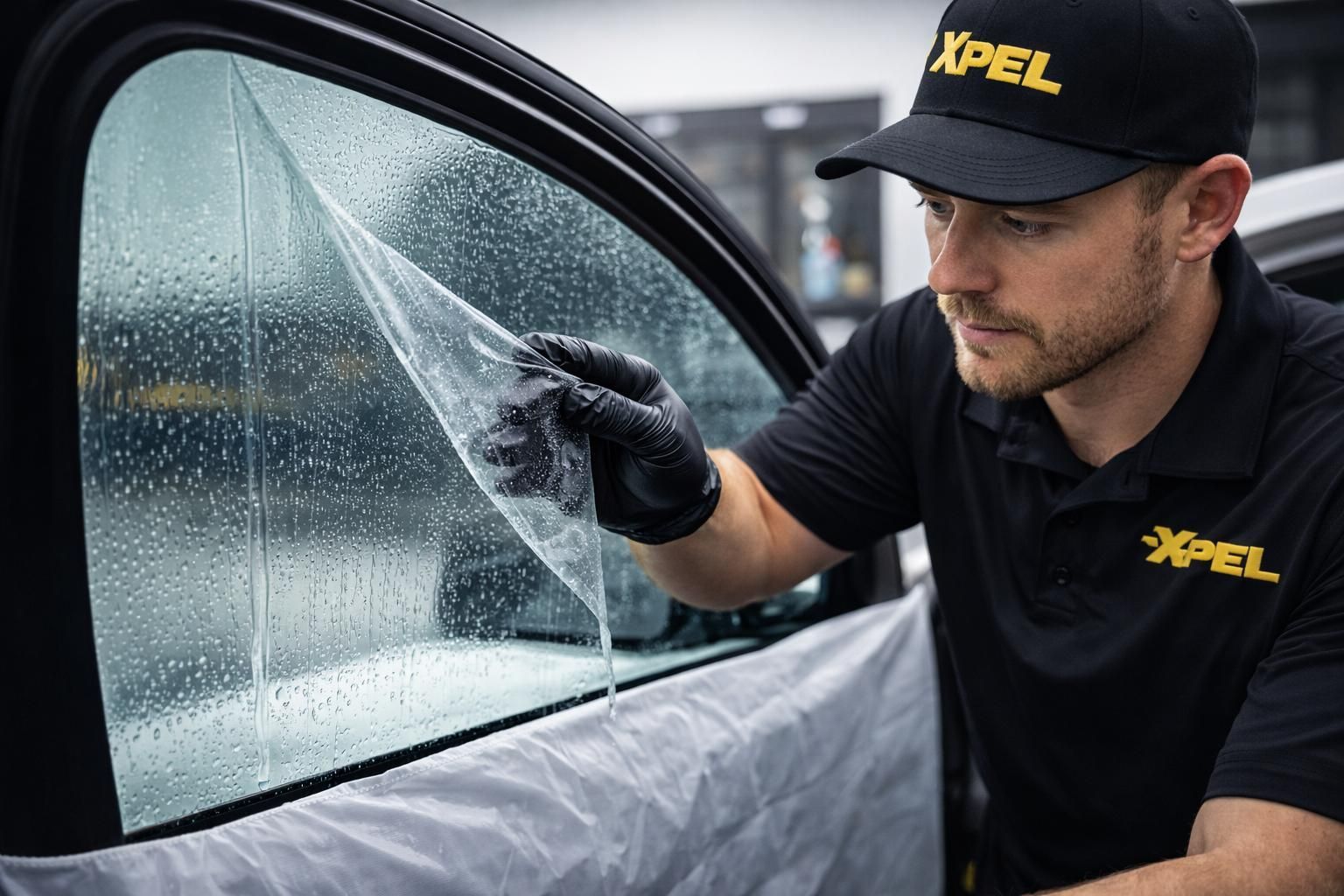
For vehicle owners in Cape Coral, Fort Myers, and the surrounding Lee County area, the best window tint for Florida heat is a premium ceramic film installed by a trained professional. Top Line Tint and Audio installs XPEL PRIME XR and PRIME XR PLUS ceramic window film for automotive applications, and these products represent the upper tier of heat rejection performance for vehicles in Southwest Florida's demanding climate.
XPEL PRIME XR
XPEL PRIME XR is a multi-layer nano-ceramic film engineered to deliver high infrared heat rejection and strong UV protection without the signal interference of metallic alternatives. It maintains excellent optical clarity across all visible light transmission levels, which means you can choose the shade that fits your style and local tint laws without sacrificing performance. For Florida drivers, PRIME XR delivers a meaningfully cooler cabin experience, especially on rear side windows and the rear glass that see the most sustained direct sun during afternoon driving.
XPEL PRIME XR PLUS
XPEL PRIME XR PLUS represents the highest heat rejection performance in the XPEL automotive ceramic lineup. It is designed for drivers who want maximum infrared rejection, particularly on side and rear glass where the heat load during Southwest Florida afternoons is at its peak. For vehicles with leather interiors, premium audio and electronics systems, or passengers who are particularly sensitive to heat, PRIME XR PLUS delivers the highest level of protection in XPEL's automotive film range. Both PRIME XR and PRIME XR PLUS are backed by a lifetime warranty when installed by an authorized dealer like Top Line Tint and Audio.
Florida Tint Laws for Vehicles
Florida allows a visible light transmission of 28 percent or more on front side windows and 15 percent or more on rear side and rear windows for non-commercial vehicles. Top Line Tint and Audio can help you select the right VLT level for each window that maximizes heat rejection within Florida's legal limits while meeting your personal preferences for appearance and privacy.
Best Tint Options for Homes and Businesses in Florida Heat
Residential and commercial window film serves a different purpose than automotive tint, and the performance priorities shift accordingly. Homeowners in Cape Coral and business owners across Fort Myers are typically focused on reducing heat gain, lowering energy costs, protecting interiors from UV damage, and in some cases reducing glare on screens and work surfaces. Top Line Tint and Audio installs LLumar film for residential and commercial applications, providing a range of solar control and ceramic products suited to the diverse needs of Southwest Florida properties.
Residential Window Film in Southwest Florida
For homeowners in Lee County, the highest-impact application is typically west and south-facing windows that receive direct afternoon sun. LLumar solar control and ceramic films are available in a range of tints and visible light transmission levels, from nearly clear products that reduce heat and UV without noticeably darkening the room, to moderate tints that provide additional glare control and privacy. The right choice depends on the window orientation, the room's use, and whether maintaining natural light levels is a priority. Top Line Tint and Audio can assess your home's specific solar exposure and recommend the LLumar film that delivers the best heat rejection outcome for each window.
Commercial Window Film in Southwest Florida
For businesses in Cape Coral and Fort Myers, large glass storefronts and office windows can represent a significant source of unwanted solar heat gain that drives up cooling costs and creates uncomfortable working or shopping conditions. Commercial window film heat reduction can make a meaningful difference in the energy performance of a building without the expense and disruption of glass replacement. LLumar commercial solar control film is available in options that maintain excellent outward visibility, which is important for retail and customer-facing businesses that rely on window displays. For office environments, LLumar film can also reduce screen glare and create a more comfortable working environment for employees positioned near exterior glass.
Heat Rejection Needs by Application
The table below outlines how heat rejection priorities and film selection differ by application type in Florida's climate.
| Application | Primary Heat Rejection Priority | Film Type Best Suited | Key Performance Considerations | Notable Florida-Specific Factor |
|---|---|---|---|---|
| Automotive glass (daily driver) | Reduce cabin heat buildup, protect interior, improve AC efficiency | Ceramic (XPEL PRIME XR or PRIME XR PLUS) | No signal interference, high NIR rejection, optical clarity, lifetime warranty | Florida tint laws: 28 percent VLT minimum on front side windows |
| Residential windows (home) | Lower cooling costs, protect furnishings, reduce afternoon heat gain | Ceramic or solar control (LLumar) | Near-clear or light tint options available to maintain natural light; UV and NIR rejection key | South and west-facing windows in Lee County see peak solar load in afternoon hours |
| Commercial storefront or office glass | Reduce energy costs, improve occupant comfort, reduce screen glare | Solar control or ceramic (LLumar commercial series) | Maintain outward visibility for retail; glare reduction for office; energy savings ROI | Large-pane commercial glass in Southwest Florida can generate significant solar heat gain without film; film payback period is often shorter than expected |
How to Choose the Right Heat-Rejecting Tint for Your Needs
Choosing the best window tint for Florida heat comes down to a few key decisions that vary depending on your application, your budget, and what outcome matters most to you.
Define Your Primary Goal
If your primary concern is reducing how hot your car feels during and after parking, infrared heat rejection is your most important metric. A premium ceramic film with high NIR rejection delivers the most meaningful improvement in cabin comfort. If your primary goal is lowering your home's cooling costs, solar heat gain reduction through south and west-facing windows should drive your film selection. If your concern is protecting leather seats, wood flooring, or artwork from UV fading, UV rejection percentage is the number to prioritize.
Match the Film to the Application and Legal Requirements
For vehicles, Florida's tint laws create a framework within which you choose your film. Top Line Tint and Audio will ensure your installation is compliant while maximizing heat rejection within the legal shade range. For homes, there are no legal restrictions on residential tint darkness, giving you more flexibility to balance heat rejection, light level, and appearance. For commercial buildings, local codes and building aesthetics may influence film selection.
Consider Long-Term Value Over Upfront Cost
Dyed film costs less upfront but will need to be removed and replaced within a few years in Florida's UV environment. The total cost of two or three replacement cycles, including labor, typically exceeds the initial investment in a quality ceramic film. When you factor in the energy savings from reduced cooling load and the UV protection that extends the life of interior materials, the long-term value case for premium ceramic film from XPEL or LLumar is clear.
Work With a Qualified Installer
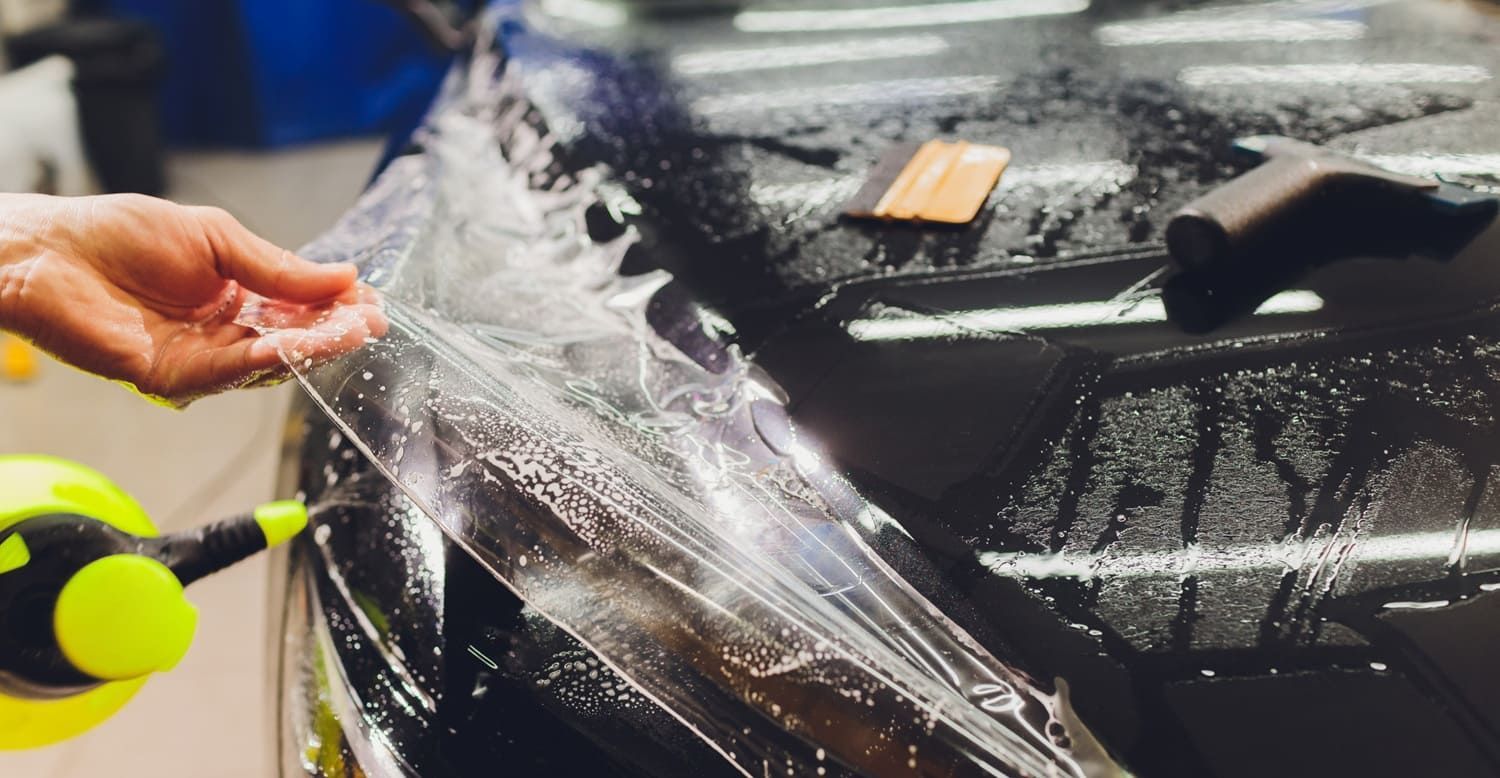
The best film performs well only when it is installed correctly. Proper surface preparation, precision cutting, edge sealing, and appropriate cure time all directly affect how long your film lasts and how consistently it performs. Top Line Tint and Audio is an authorized dealer for both XPEL and LLumar products, which activates the full manufacturer lifetime warranty on every installation and ensures the product is applied by trained technicians who understand the demands of Southwest Florida's climate.
FAQ: Best Window Tint for Florida Heat
Which type of window tint blocks the most heat?
Ceramic window film consistently blocks the most heat of any film type available. It rejects near-infrared radiation, which is responsible for a significant portion of solar heat gain, without relying on dyes that degrade or metallic layers that cause signal interference. For Florida's climate, premium ceramic films like XPEL PRIME XR and PRIME XR PLUS for vehicles, and LLumar ceramic solar control film for homes and businesses, represent the highest performance tier available.
How much heat does ceramic tint actually reject compared to standard tint?
The difference in real-world heat rejection between ceramic film and basic dyed film is significant. Dyed film absorbs some visible light but allows most near-infrared radiation to pass through, contributing to interior heat buildup. Premium ceramic film rejects a high percentage of total solar energy including infrared radiation, which is the component most responsible for how hot an interior feels. In Florida conditions, this translates to a noticeably cooler car cabin and meaningfully lower indoor temperatures near tinted glass compared to dyed film.
Does darker tint automatically mean better heat rejection?
No. Tint darkness, measured by visible light transmission percentage, does not determine heat rejection performance. A dark dyed film can allow significant infrared heat through while a nearly clear ceramic film blocks a substantially higher percentage of total solar energy. The film's technology, specifically whether it uses ceramic particles or metallic layers to address infrared radiation, determines heat rejection performance. Darkness affects privacy, glare, and legal compliance, but not the amount of heat blocked.
Is ceramic tint worth the higher cost in Florida?
For most vehicle owners, homeowners, and business owners in Southwest Florida, ceramic tint is worth the higher upfront cost when evaluated over a full ownership period. Dyed film in Florida typically needs replacement every two to three years due to UV degradation. The cost of one to two replacement cycles, including removal and reinstallation labor, often exceeds the initial premium for a ceramic film that lasts a decade or more. Energy savings for homes and businesses and UV protection for interior materials add additional financial value beyond comfort.
Does tint affect GPS, phone, or radio signal in a vehicle?
Metallic window film can disrupt GPS accuracy, cell phone reception, satellite radio, and other wireless signals because the metallic layers in the film interfere with radio frequency transmission. Ceramic window film does not contain metallic compounds and does not cause signal interference of any kind. For modern vehicles with integrated navigation, wireless CarPlay or Android Auto, and built-in cellular connectivity, ceramic film is the practical choice that delivers maximum heat rejection without any technology tradeoff.
How long does heat-rejecting tint last in Florida's climate?
Premium ceramic film installed professionally in Florida typically lasts 8 to 12 years on vehicle glass and 10 to 15 years on residential and commercial windows. Dyed film in Florida's UV environment typically lasts 1 to 3 years before visible degradation. Metallic film sits in between, averaging 5 to 8 years in high-UV conditions. Lifespan also depends on installation quality, maintenance practices, and whether the film is backed by a lifetime warranty from an authorized dealer.
Do home and commercial window tints perform differently than auto tint?
Yes, in important ways. Automotive tint is designed for curved glass, door open-and-close cycles, and compliance with state VLT regulations. Residential and commercial films are engineered for flat glass, larger panes, and applications where maintaining outward visibility and natural light levels may be priorities alongside heat and UV rejection. Top Line Tint and Audio installs XPEL ceramic film for automotive applications and LLumar film for residential and commercial projects, matching the right product to each application type.
Does tint noticeably lower energy or AC costs?
Yes, particularly for homes and businesses in Southwest Florida where the cooling load from solar heat gain through glass is a significant driver of energy costs. Quality solar control or ceramic film reduces the amount of infrared heat entering through glass, which directly reduces the work required from the HVAC system. For large commercial buildings with significant glass exposure in Cape Coral and Fort Myers, the energy savings can be substantial and may generate a return on investment within a few years. For residential applications, the savings are meaningful on the home's highest-demand windows.
What are the legal tint darkness limits in Florida?
Florida law requires that front side windows allow at least 28 percent of visible light to pass through. Rear side windows and the rear window may be tinted to any darkness level for non-commercial vehicles with properly functioning side mirrors. The windshield may have a non-reflective tint strip along the top five inches. Top Line Tint and Audio will guide you through the legal requirements for your specific vehicle and ensure your installation is compliant while maximizing the heat rejection performance available within Florida's limits.
How do I know which film is the right fit for my car, home, or building?
The right film depends on your primary goal, your budget, your application type, and any legal or aesthetic requirements specific to your situation. For vehicles, ceramic film in a legally compliant shade delivers the best overall outcome for Florida drivers. For homes, the window orientation, room use, and desired light level help determine which LLumar product is the best fit. For commercial buildings, glass size, exposure, and energy performance goals all factor in. Top Line Tint and Audio offers free consultations to assess your specific needs and recommend the right XPEL or LLumar product for each application.
The Right Tint Makes a Real Difference in Southwest Florida
In Florida's heat, window tint is not a luxury upgrade. It is a practical investment that directly affects how comfortable your car is on a daily basis, how much your home or business spends on cooling every month, and how well your interior materials hold up over years of intense UV exposure. The film type you choose determines how much of that value you actually capture.
Ceramic film outperforms dyed and metallic tint in Florida's heat because it is built to reject the infrared radiation that drives solar heat gain, maintain that performance over time without fading or signal interference, and back that performance with a lifetime warranty. For vehicles in Cape Coral and Fort Myers, XPEL PRIME XR and PRIME XR PLUS deliver the highest tier of automotive ceramic heat rejection available. For homes and businesses across Lee County, LLumar solar control and ceramic film provide the right combination of heat rejection, UV protection, and energy savings for each application type.
Contact Top Line Tint and Audio today for a free estimate and consultation. Whether you are tinting your daily driver, your home's most sun-exposed windows, or your business's storefront glass, our team will match you with the right XPEL or LLumar product and install it to the standard that activates the full manufacturer lifetime warranty. Cooler interiors, lower energy costs, and stronger UV protection start with the right film and the right installation.