
Latest PPF Tech: Self-Healing Films for All Vehicles 2026
Florida’s coastal roads, relentless sunlight, and salty air make driving in Cape Coral a true test of your vehicle’s paint. From daily commuters facing rush hour road debris to proud owners of luxury cars and electric vehicles,
paint protection film (PPF) is now considered essential in our harsh environment. The latest PPF solutions are radically different from earlier films: they combine nano-technology, self-healing polymers, and advanced multi-layer engineering to fight off swirl marks,
scratches, oxidation, and UV fade. With road hazards, high humidity, and the constant threat of salt corrosion, modern self-healing PPF is not only a cosmetic upgrade but a long-term investment in your car’s health, efficiency, and resale value. In 2026, these next-gen films protect against the elements, reduce
maintenance worries, and keep your vehicle looking showroom new year after year. Here’s your ultimate guide to the latest PPF tech for every type of car, truck, or SUV in Cape Coral.
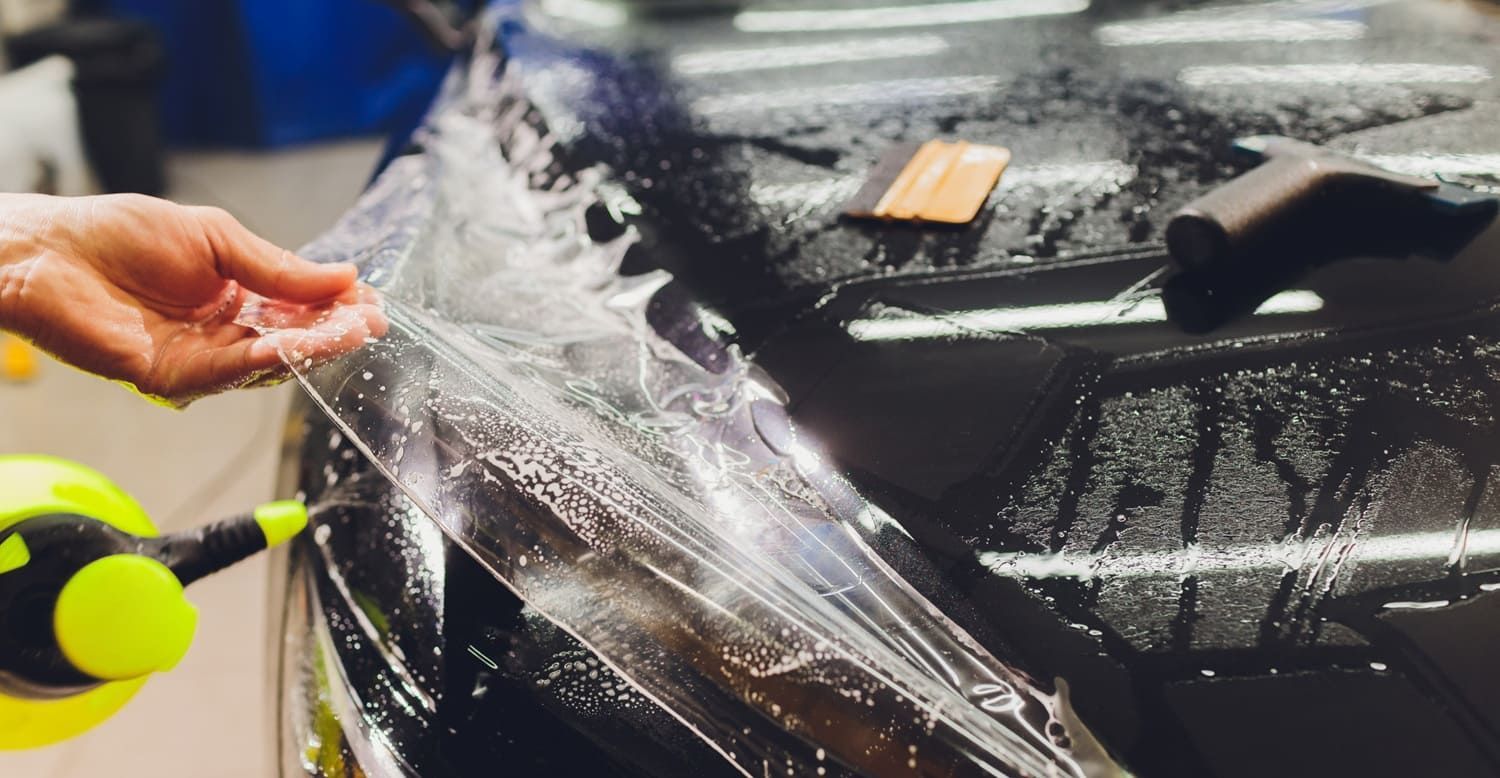
Table of Contents
- 1. How 2026 Self-Healing PPF Technology Works
- 2. Traditional PPF vs Modern Nano Self-Healing Films
- 3. Self-Healing PPF Benefits for All Vehicle Types
- 4. Finish Options: Gloss, Matte, Satin, Ultra Matte & Color
- 5. Thickness, Durability & Warranty Guide for 2026 PPF
- 6. PPF in Florida: Heat, Humidity, Salt & Sun Performance
- 7. Choosing the Right Cape Coral PPF Installer
- 8. Frequently Asked Questions (FAQ)
- 9. Conclusion & Why Top Line Tint and Audio
1. How 2026 Self-Healing PPF Technology Works
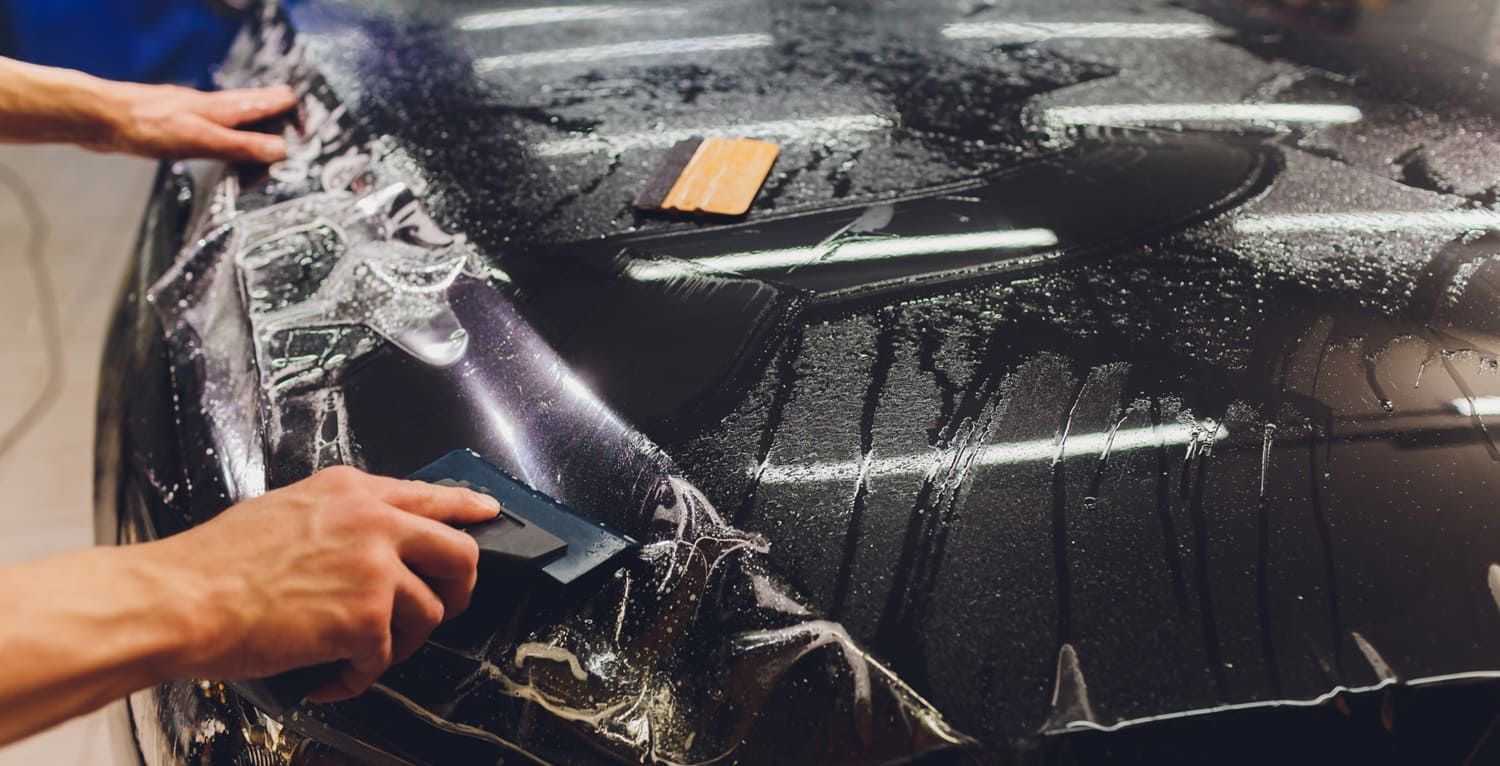
The science behind 2026’s self-healing paint protection films is astonishing. At the core are nanopolymer layers with “memory” — when a scratch, swirl mark, or abrasion occurs, the polymer chains realign themselves in response to heat from sunlight or hot water. Multi-layer construction ensures the protection runs deep. The outer layer is elastomeric, designed to recover from marks with nothing more than a parking lot sunbath. A mid-layer provides strength and impact resistance, while the adhesive layer ensures seamless bonding to every curve and contour. The result is a nearly invisible shield that shrugs off everyday scratches and keeps your paint bright and glossy.
| Feature | Benefit |
|---|---|
| Polymer memory | Repairs scratches with heat |
| Multi-layer construction | Stronger, longer-lasting protection |
| Heat-activated recovery | No special tools required |
| Advanced adhesives | Fits complex curves perfectly |
2. Traditional PPF vs Modern Nano Self-Healing Films
Traditional paint protection films offered only a basic barrier against chips and scratches, with a single layer of polyurethane and limited resistance to Florida’s extreme UV and salt. By contrast, 2026 nano self-healing PPF uses several advanced materials, including nanoceramic-infused elastomers and optical enhancers. This means superior transparency, faster scratch recovery, and far greater resistance to yellowing or cracking — even on vehicles that live outdoors. Nano technology also enhances hydrophobicity so water, grime, and salt spray slide off, reducing washing frequency and boosting aesthetics. The difference is night and day: less discoloration, longer protection, and a finish that always looks high-end.
| PPF Type | Scratch Recovery Speed | UV Resistance | Salt/Humidity Durability |
|---|---|---|---|
| Traditional | Days or never | Good | Medium |
| Nano Self-Healing 2026 | Seconds to minutes | Excellent | Outstanding |
3. Self-Healing PPF Benefits for All Vehicle Types
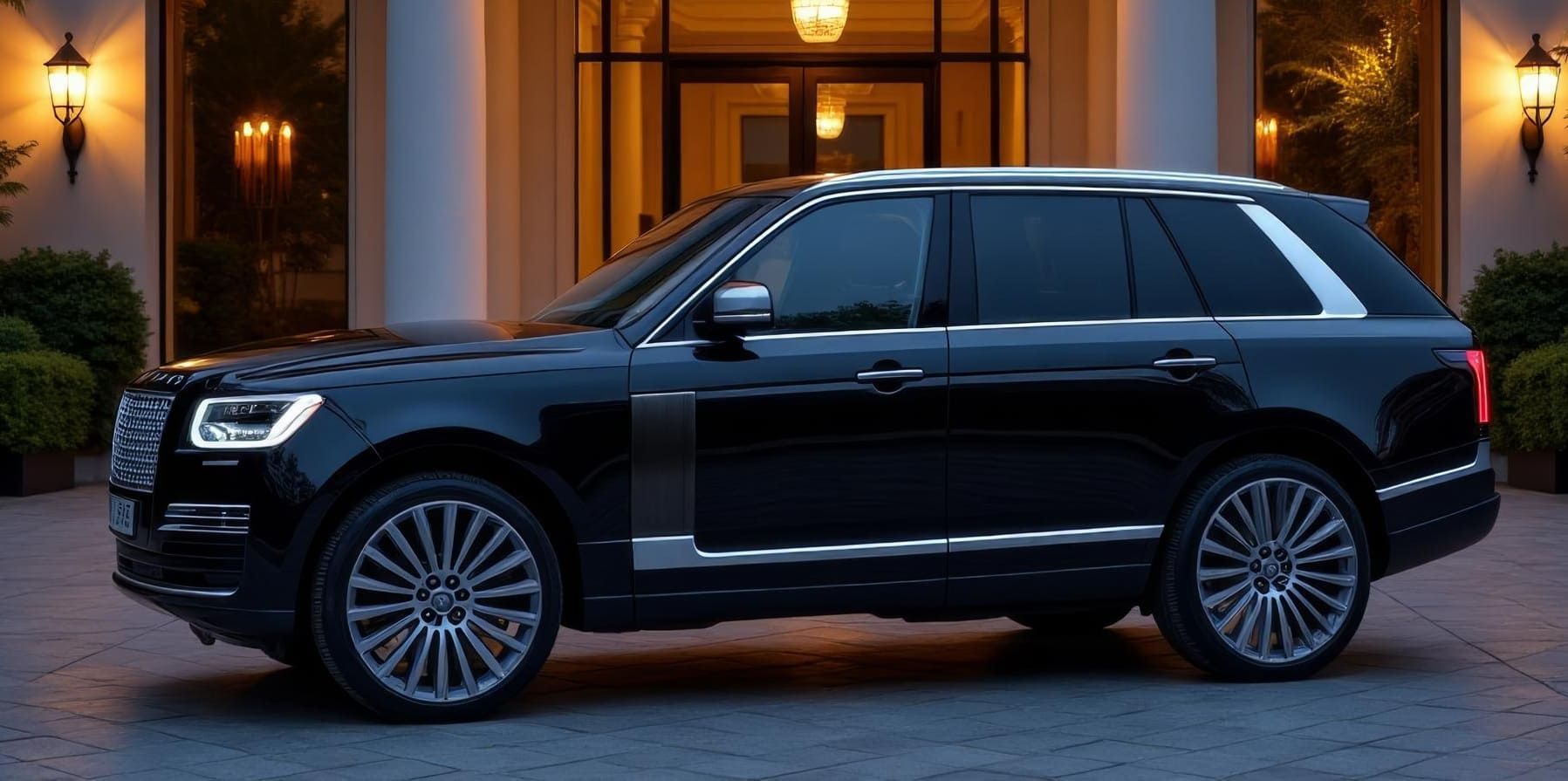
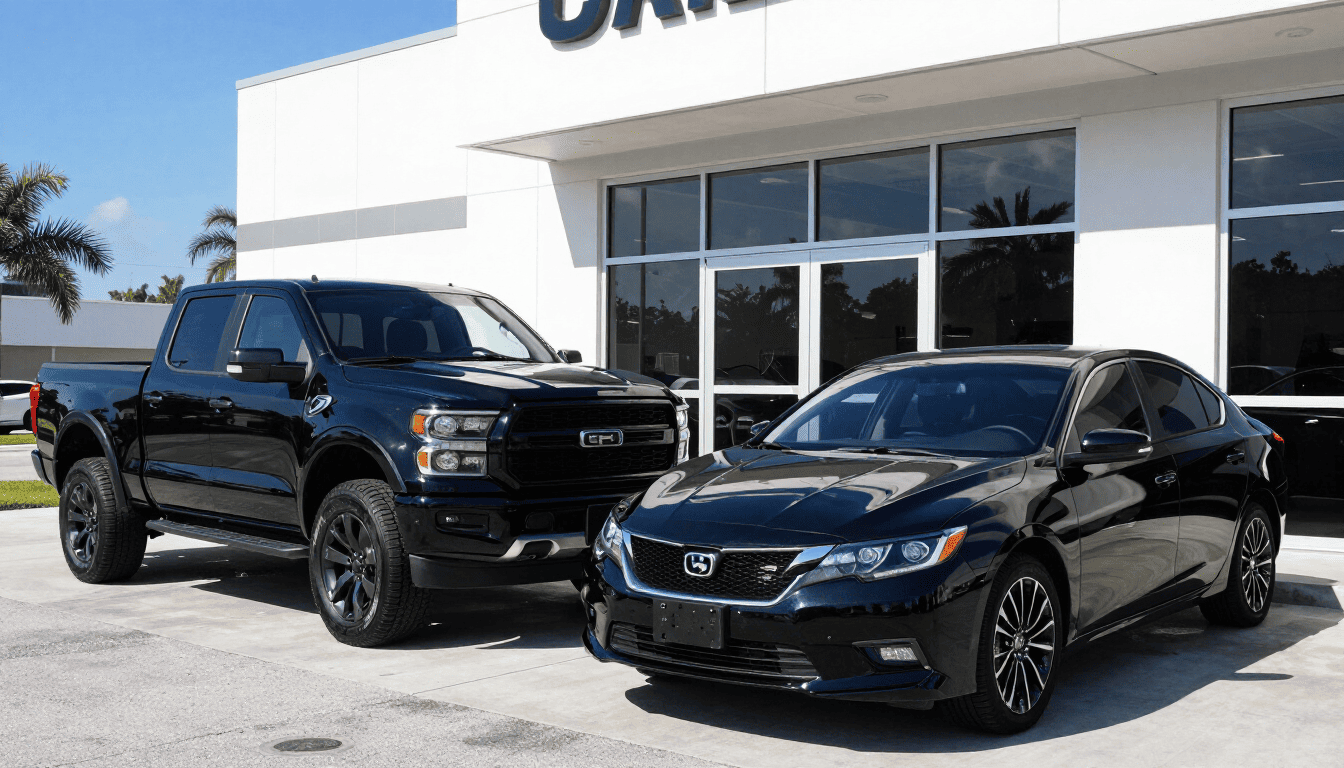
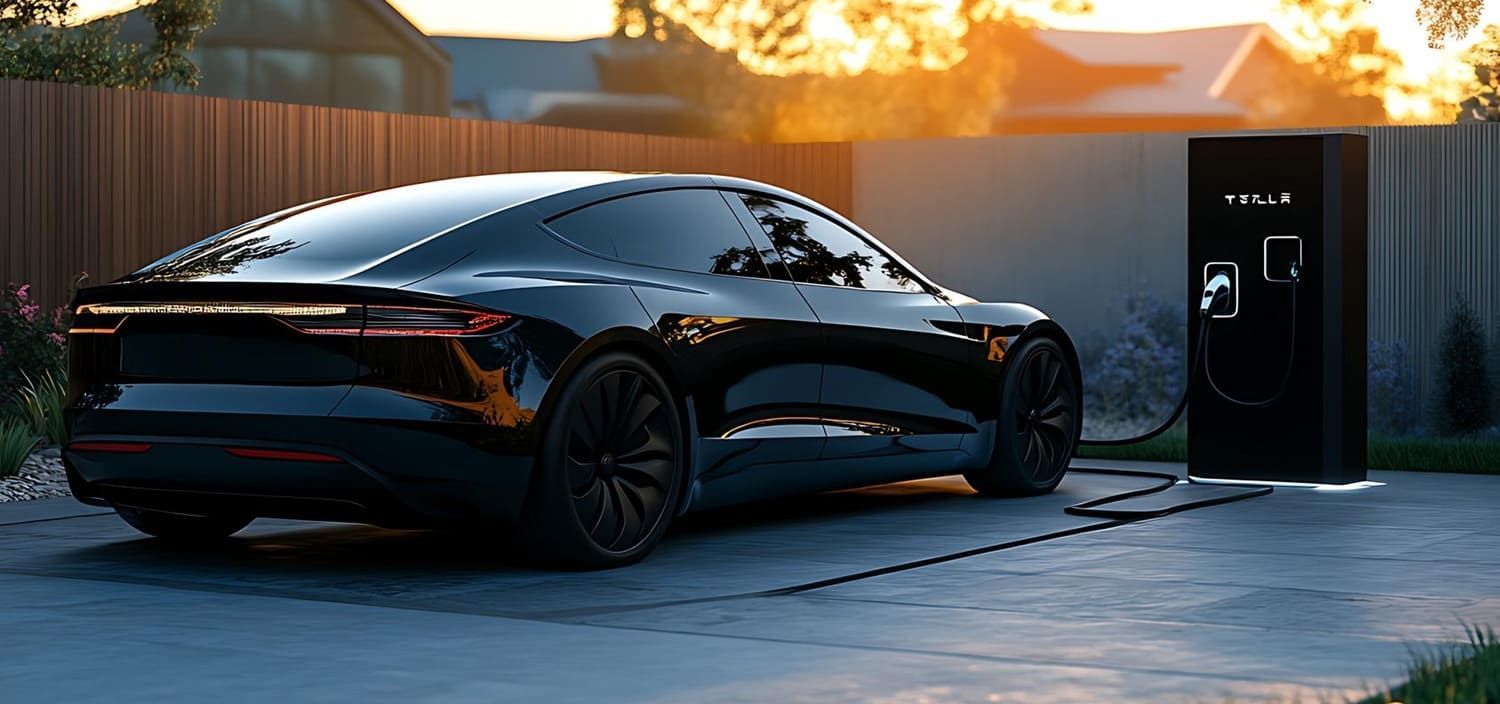
No matter what you drive in Southwest Florida, 2026 self-healing PPF pays for itself in protection and peace of mind. For truck owners, it shields vulnerable front ends and rocker panels from stones and construction debris. Luxury car and sports car drivers enjoy year-round clearcoat preservation and easy scratch removal. Daily commuters reduce chips and parking lot dings, while electric vehicle owners take comfort knowing their paint, sensors, and charging ports stay in pristine condition. Self-healing PPF even helps keep resale value high, as future buyers will see a finish free of damage and oxidation.
4. Finish Options: Gloss, Matte, Satin, Ultra Matte & Color
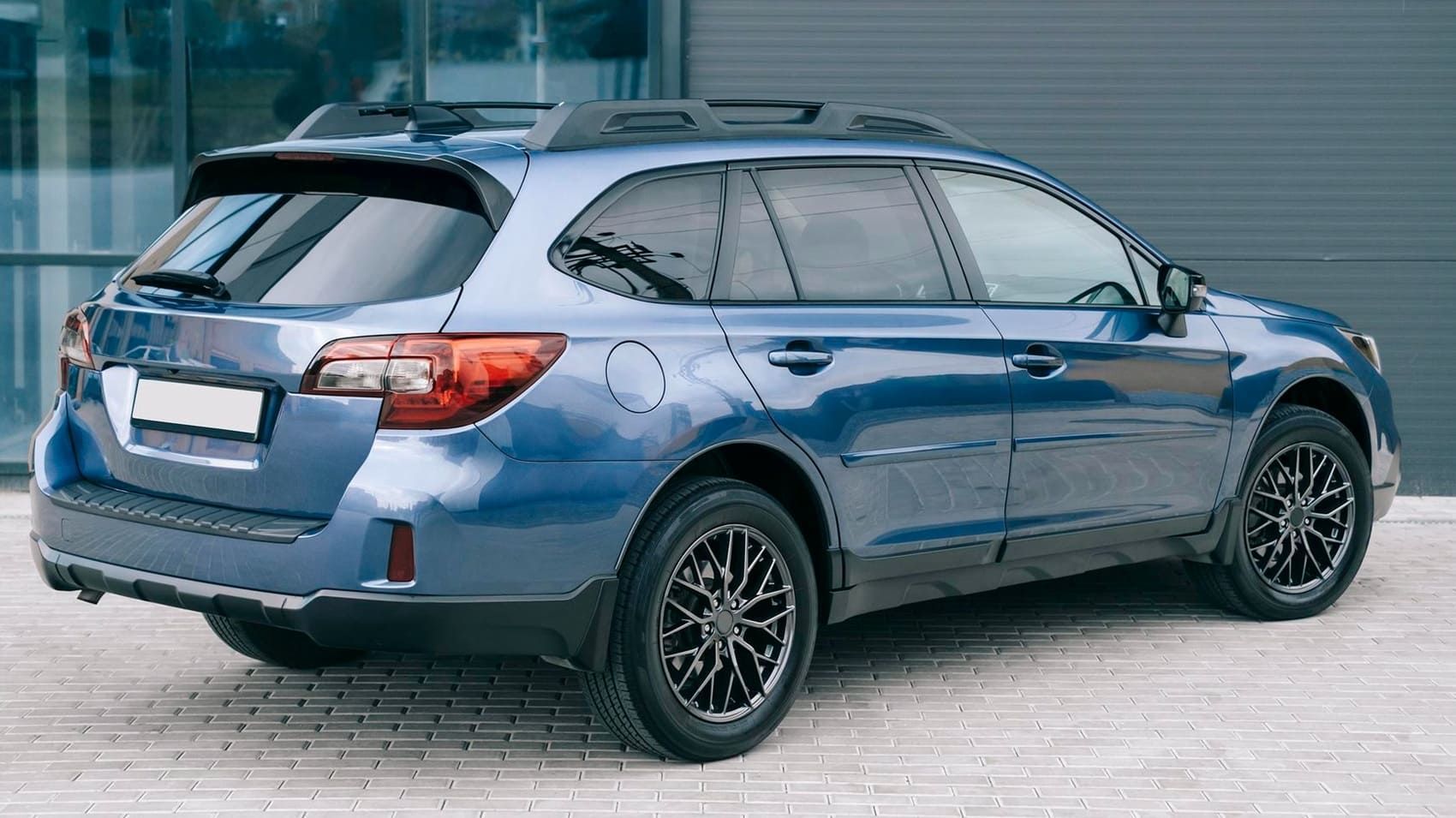
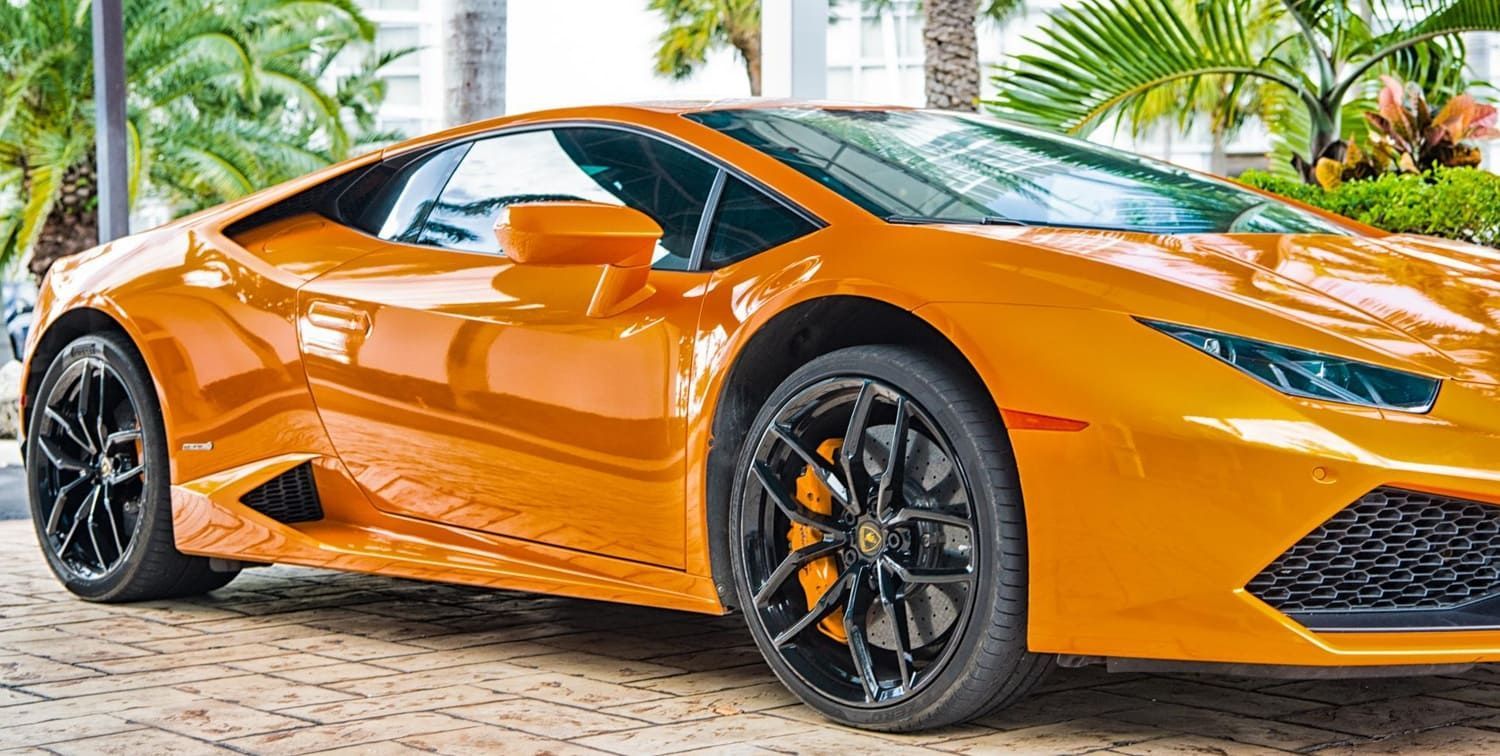
PPF no longer means just clear and shiny. In 2026, vehicle owners can choose from a spectrum of finishes that rival factory quality. Gloss films amplify paint luster. Matte and ultra matte create a sophisticated, glare-free look popular in performance and luxury markets. Satin films marry subtle sheen with modern style. Color PPF can match or radically transform a factory color for unique customization, delivering the aesthetic of a full wrap with the robust defense of premium protection. The wide range means you do not need to sacrifice creativity for defense against the elements.
| Finish Type | Appearance | Popular Use |
|---|---|---|
| Gloss | High shine, depth | Sports & luxury cars |
| Matte | Flat, no reflection | Performance & EVs |
| Satin | Subtle, soft sheen | Luxury & customization |
| Ultra Matte | Super flat, unique | Show cars, wraps |
| Color-matched | Custom hues | Personalized style |
5. Thickness, Durability & Warranty Guide for 2026 PPF
Modern self-healing PPFs are available in thicknesses ranging from 6 mils to over 10 mils. Thicker films provide more impact resistance, ideal for trucks and high-risk front ends. The best 2026 PPFs earn top durability ratings in scratch, stain, and UV resistance tests, demanding little more than regular washing with pH-neutral soap. Warranty terms now stretch as long as 10 years, covering yellowing, bubbling, cracking, and performance failure. Be sure to register your film after
professional installation to activate warranty protection and always get documentation from your Cape Coral provider.
| Thickness (mils) | Best For | Durability (Years) |
|---|---|---|
| 6-7 mils | Daily drivers, EVs | 7-10 |
| 8-10 mils | Trucks, sports cars | 10+ |
6. PPF in Florida: Heat, Humidity, Salt & Sun Performance
Cape Coral’s climate can destroy paint surfaces in just a few years if left unprotected. UV rays fade clearcoat and color, while humidity and salt accelerate corrosion. The latest PPF films are engineered to resist all three. Nanoceramic infusions block thermal energy and solar radiation, stopping surface temps from climbing. Hydrophobic, stain-resistant coatings mean water, bugs, and sap wipe away easily. No adhesive failure or yellowing under the punishing Florida sun. Whether parked streetside or near the beach, self-healing PPF gives your car year-round defense against every environmental hazard unique to Cape Coral and the Gulf Coast.
7. Choosing the Right Cape Coral PPF Installer
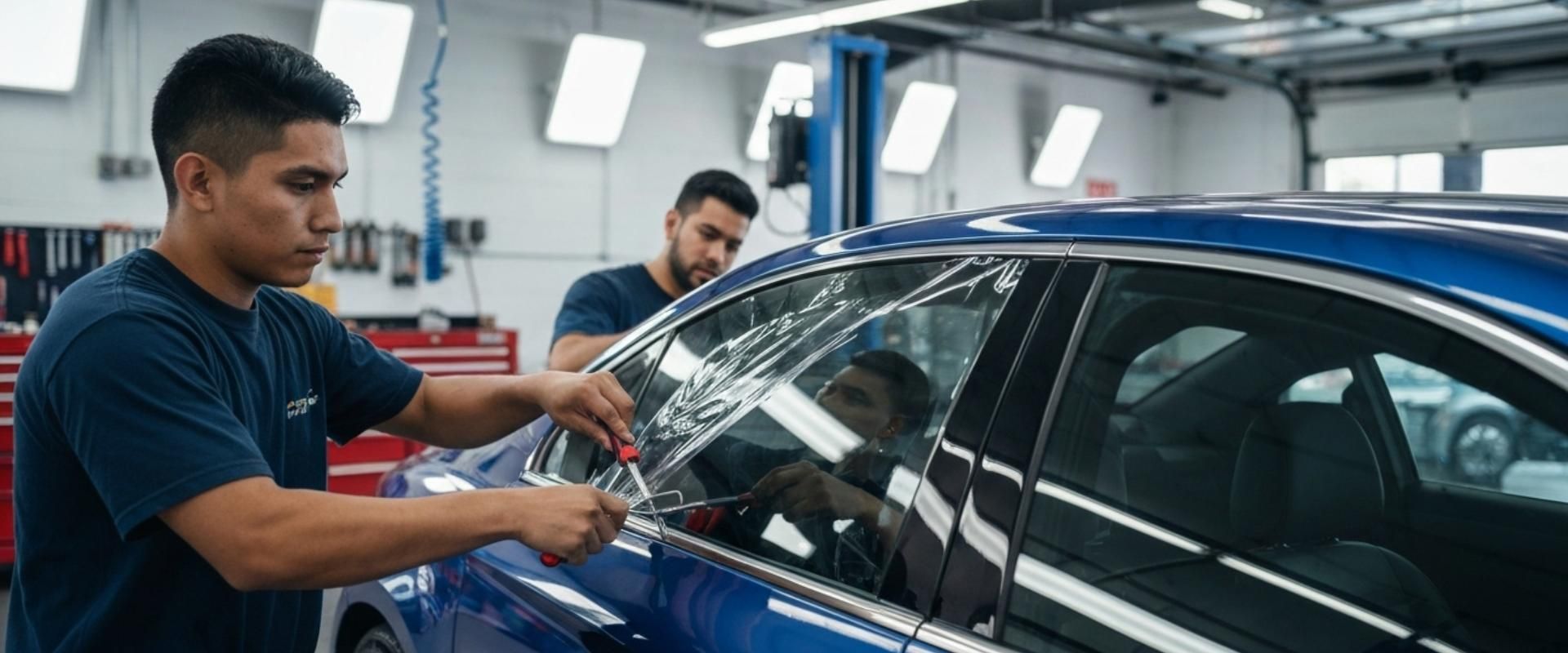
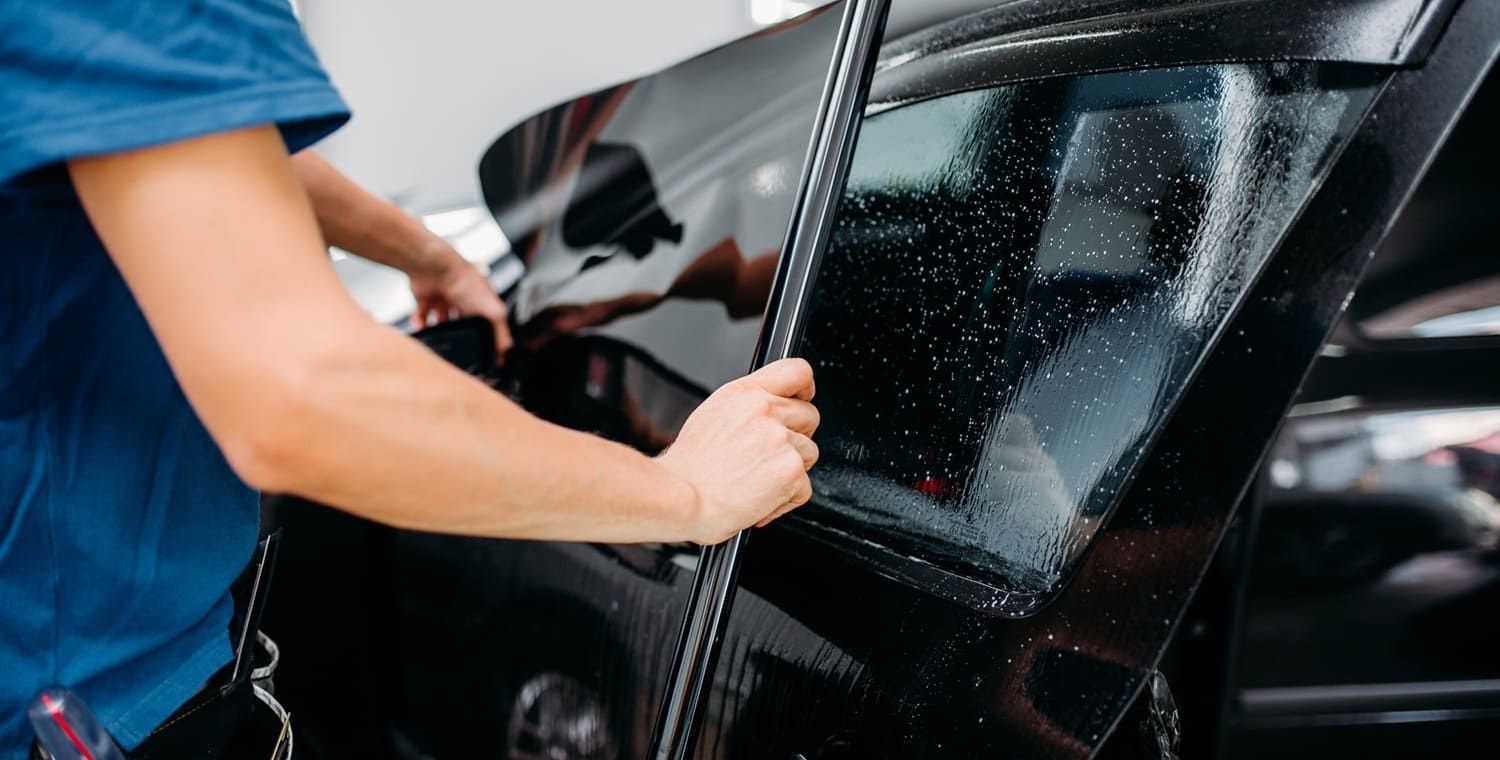
The quality of PPF install is just as important as the film itself. Look for certified providers with extensive local experience, a portfolio of Florida PPF jobs, and warranty-backed service. Professional installers use computer-cut film templates for perfect fit and avoid cutting on the paint, reducing risk of scratches. They provide climate-controlled environments for dust-free application and educate clients on curing and care. Always demand documentation of product registration, detailed aftercare instructions, and reassurance that only premium, up-to-date 2026 films are being used on your vehicle. Top Line Tint and Audio in Cape Coral is a recognized leader in precision PPF application and brings expert assurance to every job.
8. Frequently Asked Questions (FAQ)
How does self-healing PPF work?
Polymer chains within the film realign with heat, repairing surface scratches and swirl marks with minimal effort.
How long does 2026 self-healing PPF last?
Premium films professionally installed typically last 7 to 10 years or more in Florida’s climate.
How should I wash my car with self-healing PPF?
Use pH-neutral car soap, soft mitts, and avoid harsh chemicals or abrasive pads. Rinse thoroughly and dry gently. Avoid automatic car washes with abrasive brushes.
Does PPF prevent rock chips and road debris damage?
Yes, high-quality PPF significantly reduces chips, pits, and scratches from gravel and debris.
What does a typical PPF warranty cover?
Warranties usually protect against yellowing, cracking, bubbling, peeling, and major loss of self-healing or hydrophobic properties.
Does PPF require special maintenance?
Just regular washing and avoiding harsh polishes. Occasional inspections for edge lifting are recommended, especially after pressure washing.
Is there a difference between ceramic coating and PPF?
Ceramic coatings are hydrophobic and boost shine but provide limited physical protection. PPF physically absorbs impacts, resists scratches, and is self-healing. They can be combined for maximum effect.
Does PPF work on matte and specialty paint finishes?
Yes. PPF is available in matte, ultra matte, and color options for custom finishes and even rare paint jobs.
Is self-healing PPF worth the investment in 2026?
Absolutely. In harsh climates like Florida, PPF prevents costly paintwork and maintains higher resale value, outweighing initial costs.
Can PPF be removed if I want to change it or sell my car?
Yes. High-quality PPFs are designed for clean removal without damaging your original paint when done by a professional.
Conclusion & Why Top Line Tint and Audio
Next-generation self-healing PPF is a game-changer for Cape Coral drivers seeking superior defense against sun, salt, humidity, and everyday scratches. It preserves showroom looks, keeps paint flawless, reduces maintenance, and boosts resale value. Ready to protect your investment with the best paint protection films of 2026? Contact Top Line Tint and Audio in Cape Coral, FL for tailored recommendations, trusted expertise, and flawless installation of premium self-healing, multi-layer PPF—engineered for Florida’s toughest conditions. Call (239) 240-3007, visit our Cape Coral shop, or request your free estimate today to get long-lasting protection and peace of mind for years to come.