
Window Tinting for EVs: Cool and Efficient Cars in 2025
Electric vehicles (EVs) have quickly become the future of driving, thanks to their eco-friendly credentials, instant torque, and amazing high-tech features. But as any experienced EV owner knows, maximizing range, protecting your interior, and keeping your car comfortable year-round brings special challenges—especially in hot, sunny climates. That’s where high-performance window tint comes in. In 2025, top-rated ceramic and infrared-blocking tints offer essential upgrades for EVs, reducing cabin heat dramatically and easing the burden on your battery-draining air conditioning system. With superior UV protection, these tints defend sensitive interior materials, large touchscreens, and charging electronics from long-term damage. Plus, with more modern designs and precision fitting,
window tinting delivers a comfortable, cool ride and even stretches your driving range. Discover why smart EV owners in 2025 are investing in premium window tint to get the best in comfort, efficiency, and peace of mind.
Table of Contents
- Why EVs Lose Efficiency From Cabin Heat & HVAC Overuse
- The Benefits of Ceramic & IR-Blocking Tints for EVs
- Long-Term Interior & Screen Protection With Tinting
- Comparing Tint Types for Electric Vehicle Performance
- 2025 Tint Technology Upgrades for EVs
- Legal Considerations & VLT for EV Owners
- How to Choose an EV-Qualified Tint Installer
- Frequently Asked Questions
- Conclusion & Schedule With Top Line Tint and Audio
Why EVs Lose Efficiency From Cabin Heat & HVAC Overuse
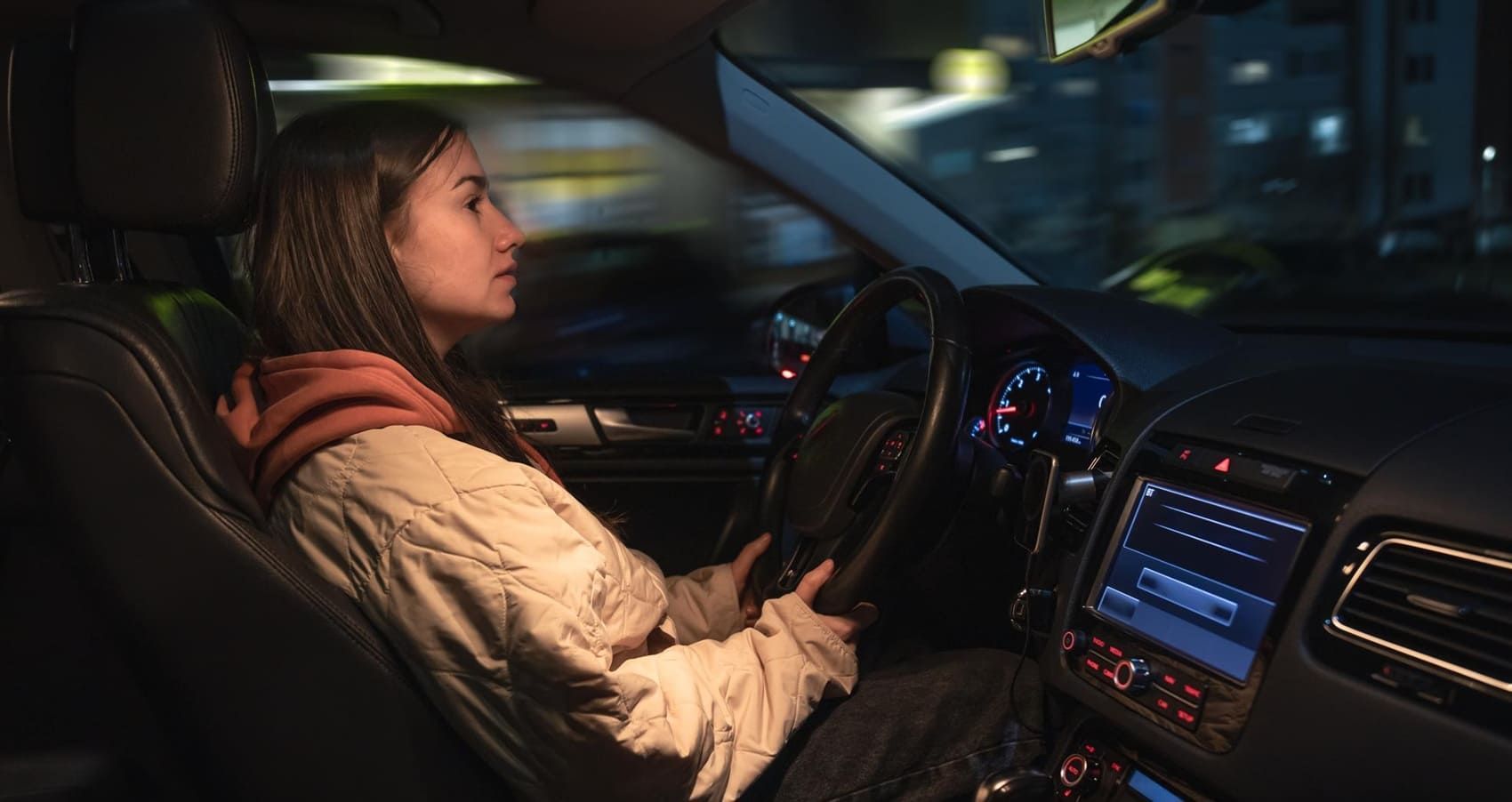
One of the hidden threats to electric vehicle range isn’t just the size of your battery—it’s interior heat buildup. When sunlight penetrates untinted windows, cabin temperatures can soar, especially in summer and regions like Florida or the Southwest. This triggers your vehicle’s HVAC system, causing it to work overtime to cool the interior and drawing additional power from your battery. In fact, studies show that aggressive air conditioning use can reduce EV range by up to 17–25% on hot days. Excessive cycling also puts stress on your car’s thermal management systems, ultimately impacting driving efficiency, trip planning, and overall battery lifespan. Smart window tinting helps manage this load: by blocking solar heat before it enters your car, modern films act like invisible armor against range-robbing heat.
The Benefits of Ceramic & IR-Blocking Tints for EVs
The power of high-performance ceramic and infrared-blocking (IR) window tint is revolutionizing EV ownership. Unlike basic dyed films, premium ceramic and IR tints use proprietary nano-technology to reject up to 98% of infrared heat and 99% of UV rays, without compromising night visibility or onboard electronics. This means a cooler, more energy-efficient cabin with less reliance on your air conditioning and protection from skin-damaging sunlight. These advanced films are also safe for EV sensors, ADAS cameras, and wireless systems, ensuring your car’s sophisticated safety features remain reliable. The result: more miles per charge, a dramatically more comfortable ride, and protection for both the driver and the vehicle’s cutting-edge tech.
Long-Term Interior & Screen Protection With Tinting
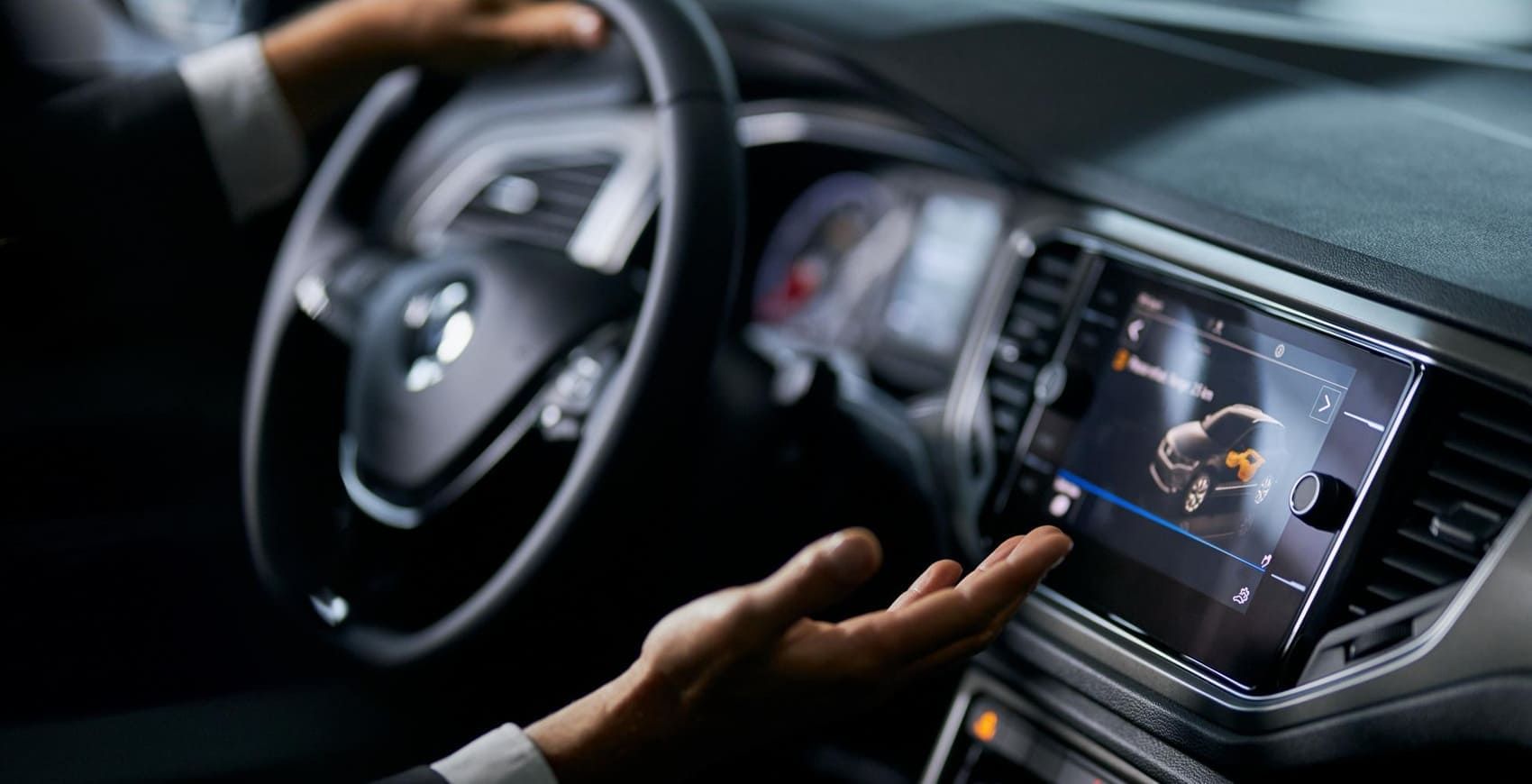
EVs feature expansive glass roofs, panoramic windshields, large center screens, and bright, tech-filled dashboards. Unfortunately, all that glass and sunlight magnifies the risk of interior fading, upholstery cracking, and premature screen aging. High-quality window tinting—especially
ceramic films—acts as a sunblock for your car, sharply reducing UV penetration and heat stress on sensitive interiors. Touchscreens, digital displays, vegan leather, and soft surfaces maintain their like-new appearance far longer. Table below shows projected benefits:
| Without Premium Tint | With Ceramic/IR Tint |
|---|---|
| Noticeable fading/cracking in 2–4 yrs | Reduced visible wear for 6–8 yrs+ |
| Touchscreen glare & pixel breakdown | Minimal screen aging/glare, longer life |
| Higher HVAC costs & more cabin heat | Lower temp, less AC use, longer battery range |
This means your EV feels newer, longer, and keeps its value—another critical ROI consideration for 2025 EV owners.
Comparing Tint Types for Electric Vehicle Performance
Which window film is right for your EV? Here’s a performance breakdown for 2025:
| Tint Type | Heat Rejection | UV Block | Signal Interference | Longevity | Warranty | Effect on EV Range | Price |
|---|---|---|---|---|---|---|---|
| Dyed | Low (15–25%) | Up to 80% | None | 3–4 yrs | 1–2 yrs | Minimal | $ |
| Carbon | Medium (35–50%) | Up to 99% | None | 5–7 yrs | 3–5 yrs | Moderate | $$ |
| Ceramic | High (60–80%) | 99%+ | None | 10+ yrs | Lifetime | Significant | $$$ |
| IR-Blocking | Very High (75–98%) | 99%+ | None | 10+ yrs | Lifetime | Maximum | $$$$ |
For most EV owners, ceramic or IR-blocking tints offer the best blend of energy savings, comfort, and interior longevity in 2025.
2025 Tint Technology Upgrades for EVs
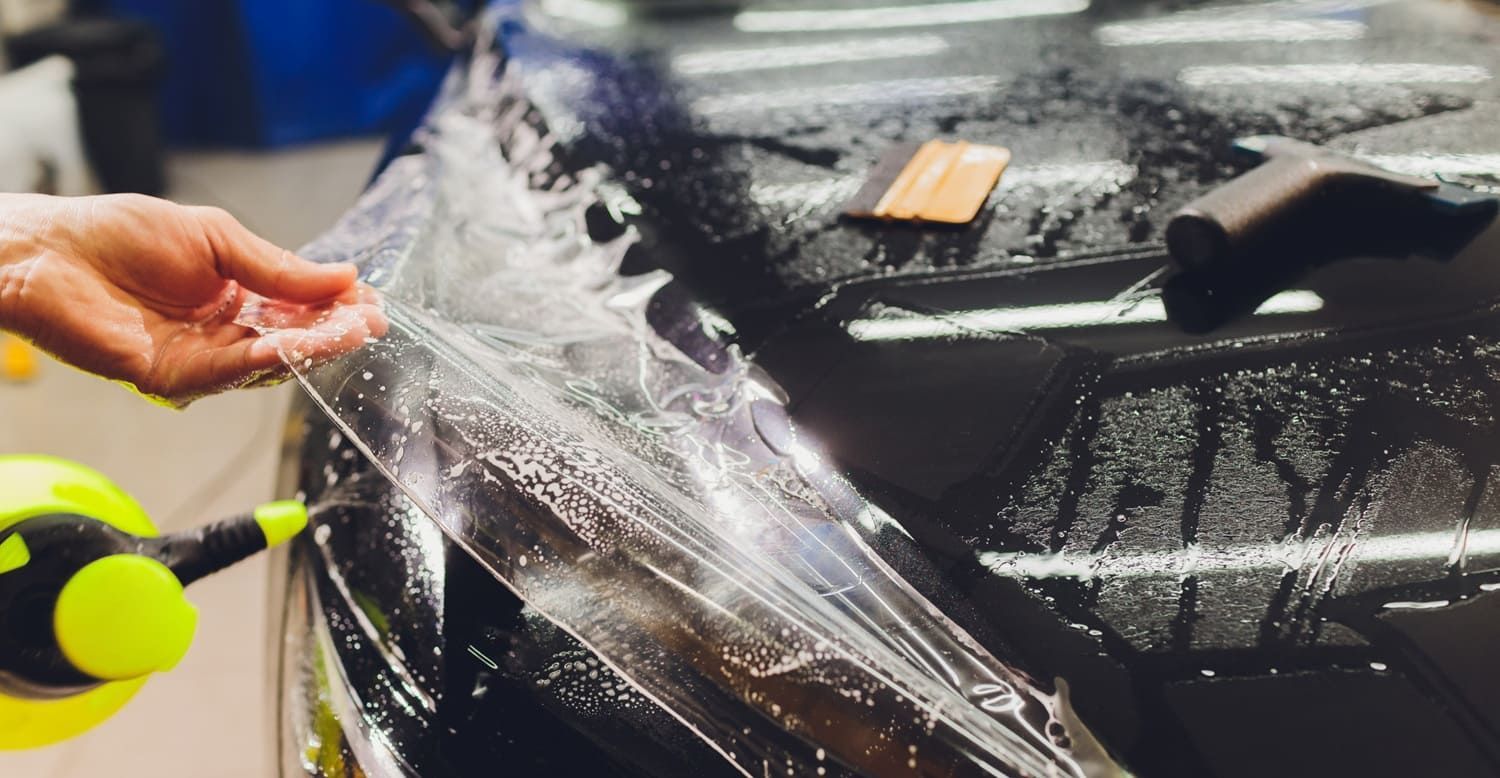
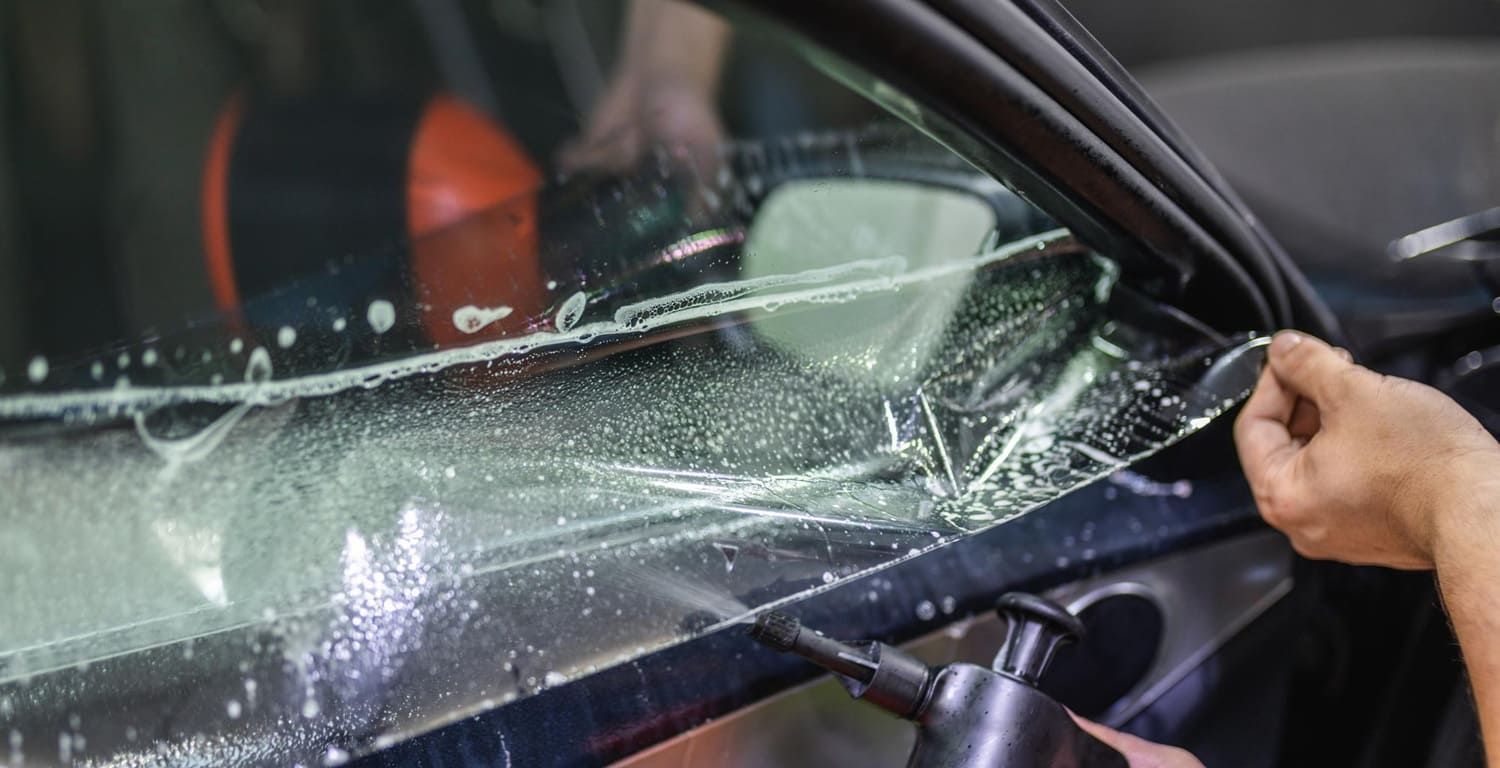
Window tint innovation in 2025 brings true “EV-first” solutions. Premium tint brands now engineer films with advanced nano-ceramics designed to maximize infrared heat blocking without darkening glass beyond legal VLT. New smart-tint options can adjust shade on demand or use app controls, perfect for glass roofs or EVs with extra surface area. Ultra-clear, all-climate tints blend near-invisibility with maximum heat rejection, ideal for preserving both range and safety features. Most importantly for EVs, film manufacturing has improved to guarantee zero-electromagnetic interference with backup cameras, wireless charging, sensors, and ADAS components, keeping your technology working flawlessly.
Legal Considerations & VLT for EV Owners
Each state has its own rules for automotive tint, usually governed by visible light transmission (VLT) percentages. In Florida, for example:
- Front Side Windows: 28% VLT or lighter
- Rear Side Windows: 15% VLT or lighter
- Rear Window: 15% VLT or lighter
- Windshield: Non-reflective tint above AS-1 line only
Legal compliance is vital for preserving insurance coverage and avoiding tickets—especially as EVs routinely include more in-glass sensors and cameras that must remain unobstructed. Your best bet: choose reputable, EV-knowledgeable installers who guarantee that your tint meets
state laws and manufacturer recommendations.
How to Choose an EV-Qualified Tint Installer
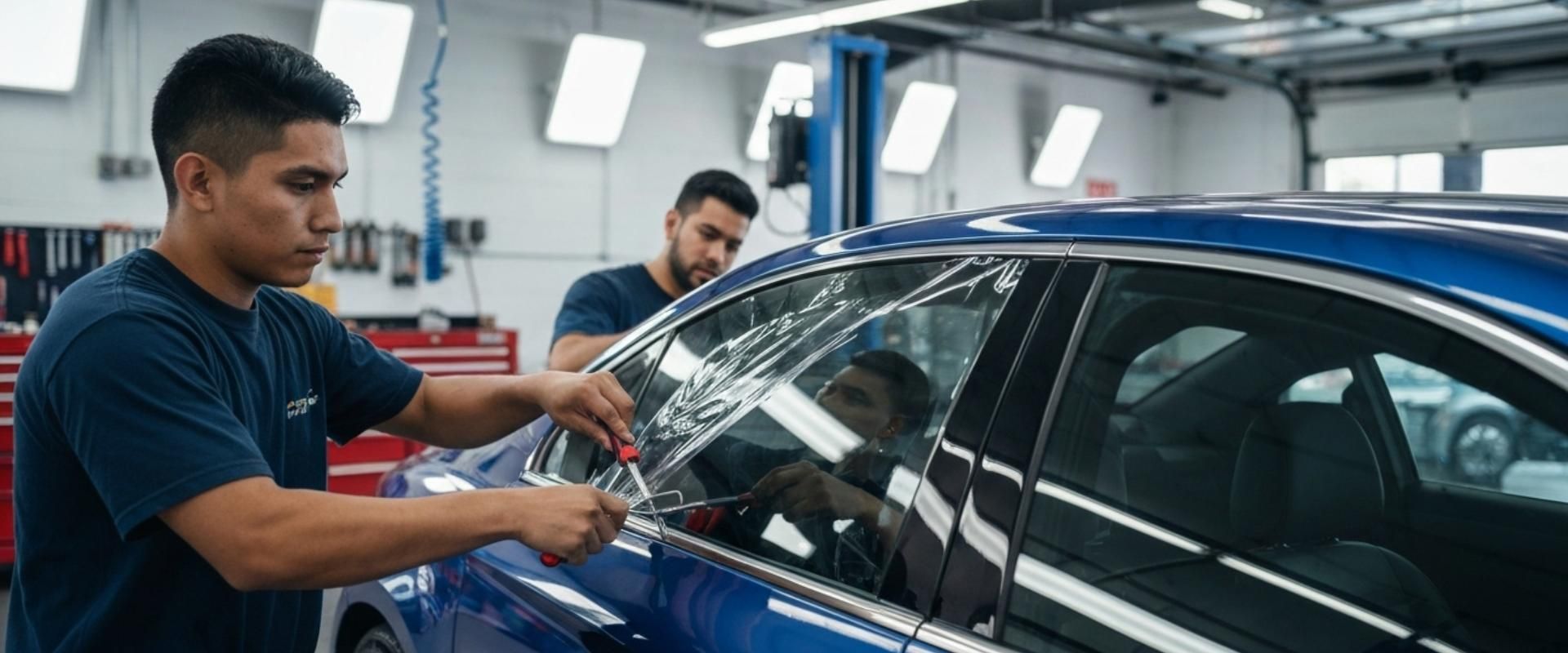
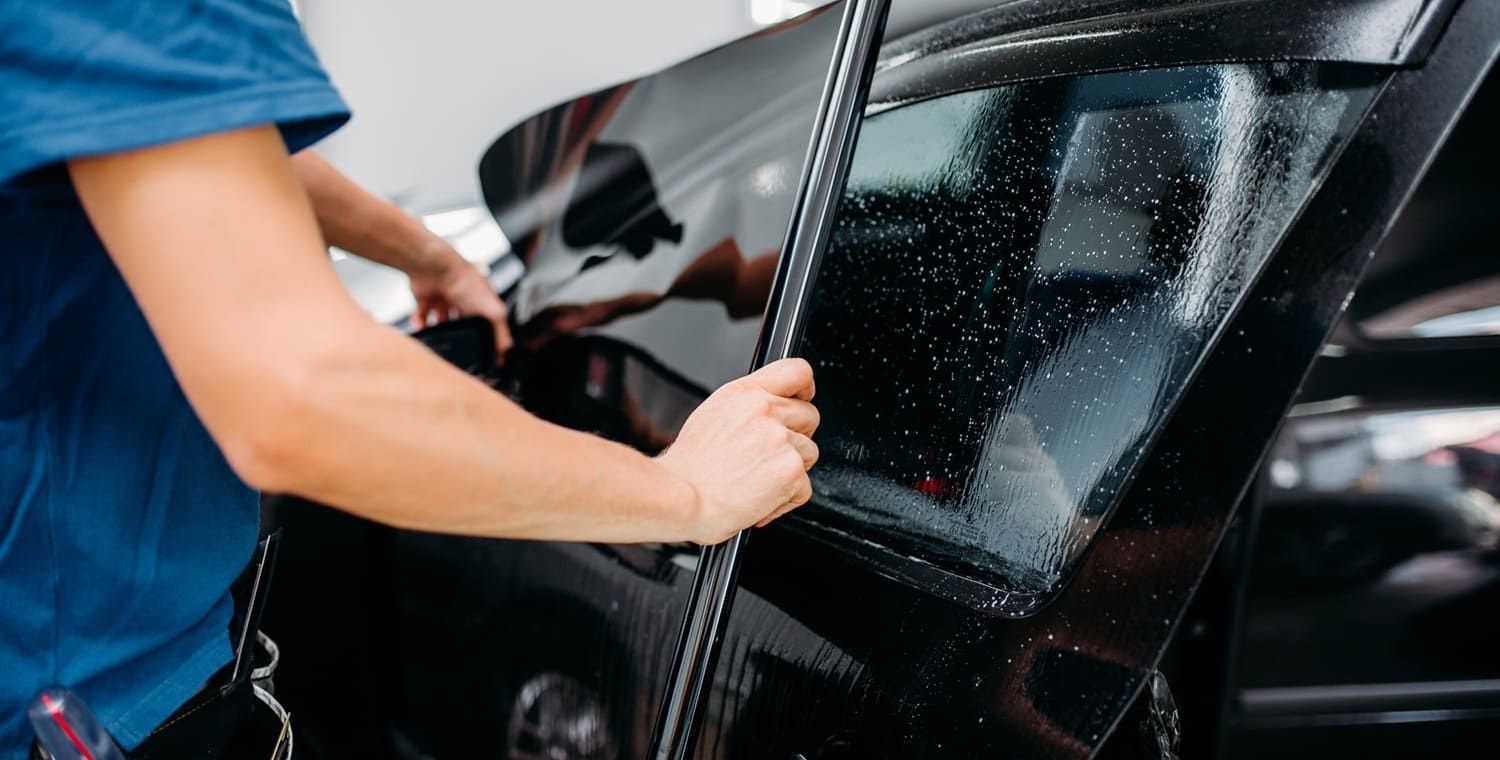
Properly tinting modern electric vehicles requires advanced skills and meticulous attention to technology. Here’s what to look for in your installer:
- Experience with Teslas, Rivians, Ford Lightning, Hyundai Ioniq, Kia EV6, and more
- Use of up-to-date tint products certified for EV electronics
- Thorough understanding of sensor/ADAS placements
- Portfolio of recent EV installations
- Lifetime or multi-year warranties on both film and install
- Transparent, upfront pricing
- Excellent reputation and verified customer feedback
Top Line Tint and Audio window tinting checks every box—making them the trusted choice for your EV protection and efficiency upgrade in 2025.
Frequently Asked Questions
Does window tinting improve EV battery range?
Yes—by greatly reducing cabin heat, tint lowers the need for AC, reducing battery drain and extending practical range, especially on hot days.
Is ceramic tint worth it for my electric car?
Premium ceramic tints offer exceptional heat and UV rejection, protecting your battery range and interior—a wise investment for any EV.
Will tinting block my EV’s sensors or cameras?
No—modern ceramic and IR tints are engineered to be sensor-safe and won’t interfere with ADAS, cameras, or wireless charging.
Are windshield tints legal on electric vehicles?
Usually, non-reflective tint is allowed above the “AS-1” line—check state laws and ensure sensors remain unobstructed.
How long does EV window tint installation take?
Typically 2–4 hours, depending on vehicle complexity and the amount of glass.
What is the lifespan of premium tint film on an EV?
With quality products, ceramic and IR-blocking tints can last 10+ years—often the life of the vehicle.
Will window tint affect my EV’s interior touchscreens?
Tint protects screens from UV/heat, reducing glare and prolonging display life—no negative impact.
Is there a warranty on window tint for electric vehicles?
Top providers offer multi-year or lifetime warranties—always request full details and coverage terms.
Are there special tint films for glass roof EVs?
Yes—premium nano-ceramic options are perfect for large glass roofs, maximizing heat blocking with light tinting.
Can I add tint to my leased EV?
Yes, provided tint meets manufacturer/VLT guidelines—professional installation avoids lease return penalties.
Conclusion & Schedule With Top Line Tint and Audio
As electric vehicles become ever more connected, comfortable, and efficient, choosing the right window tint emerges as a must-have upgrade for 2025 drivers. The best EV window tinting delivers lower cabin heat, longer battery range, improved interior and screen protection, and greater year-round comfort for you and your passengers. With cutting-edge ceramic and IR-blocking films now engineered for EVs, there’s never been a better time to protect your technology-packed ride. Ready to improve your EV’s comfort and efficiency? Schedule a consultation or installation with Top Line Tint and Audio, proudly serving Cape Coral FL, and trusted for expert EV-safe tinting. Call us today at (239) 240-3007, visit www.toplinetints.com, or stop by our shop to get started. We offer free estimates to help you choose the perfect tint for your Tesla, Rivian, Ford Lightning, Hyundai Ioniq, Kia EV6, and more. Protect your EV, your comfort, and your battery—discover premium window tinting today.